
Last updated November 23, 2026
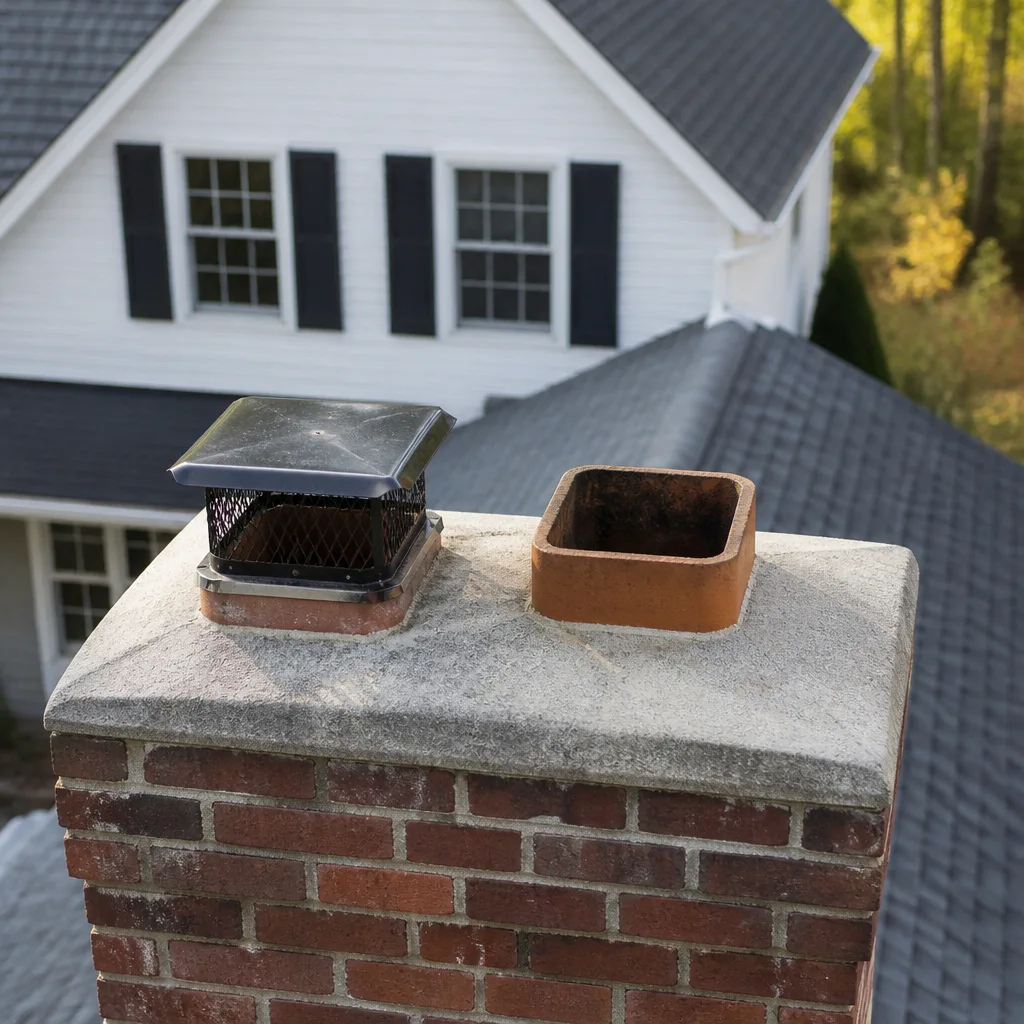 Sweep & inspection
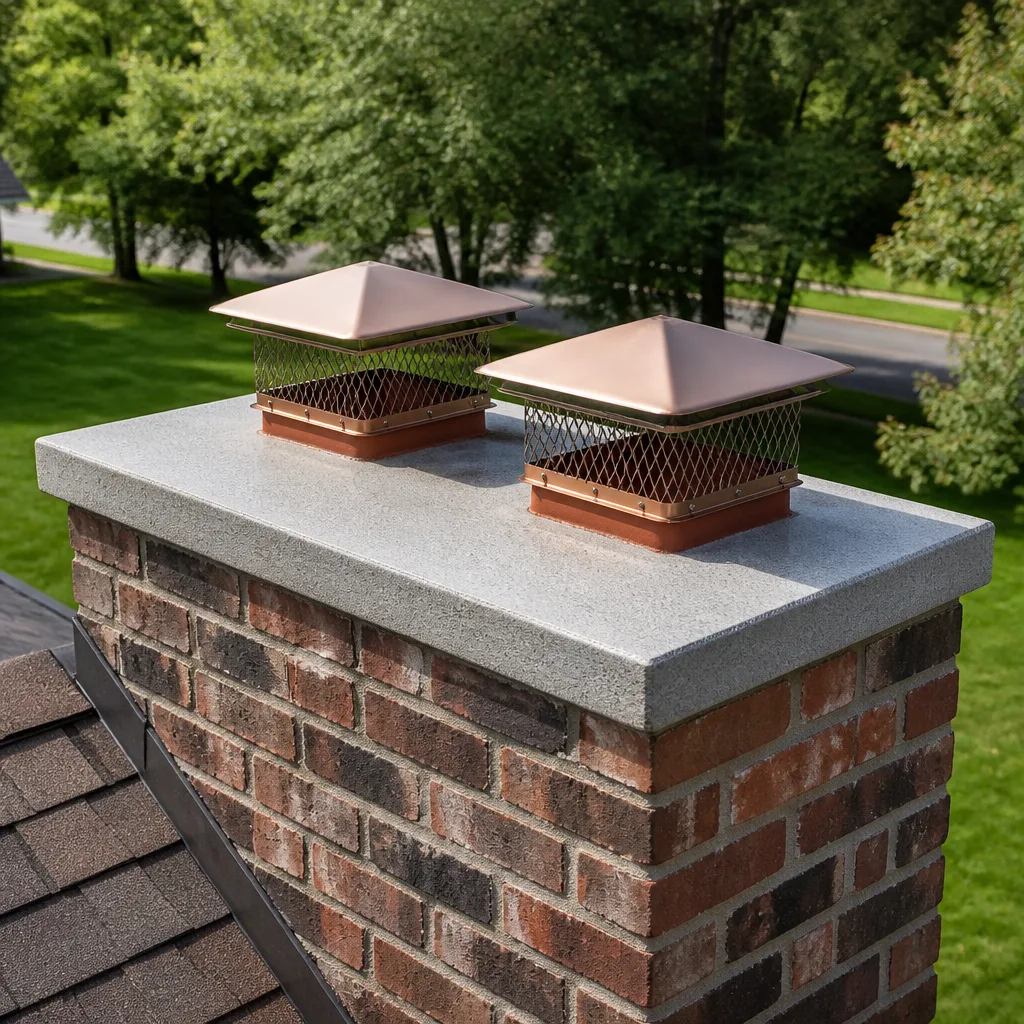 Caps & crowns
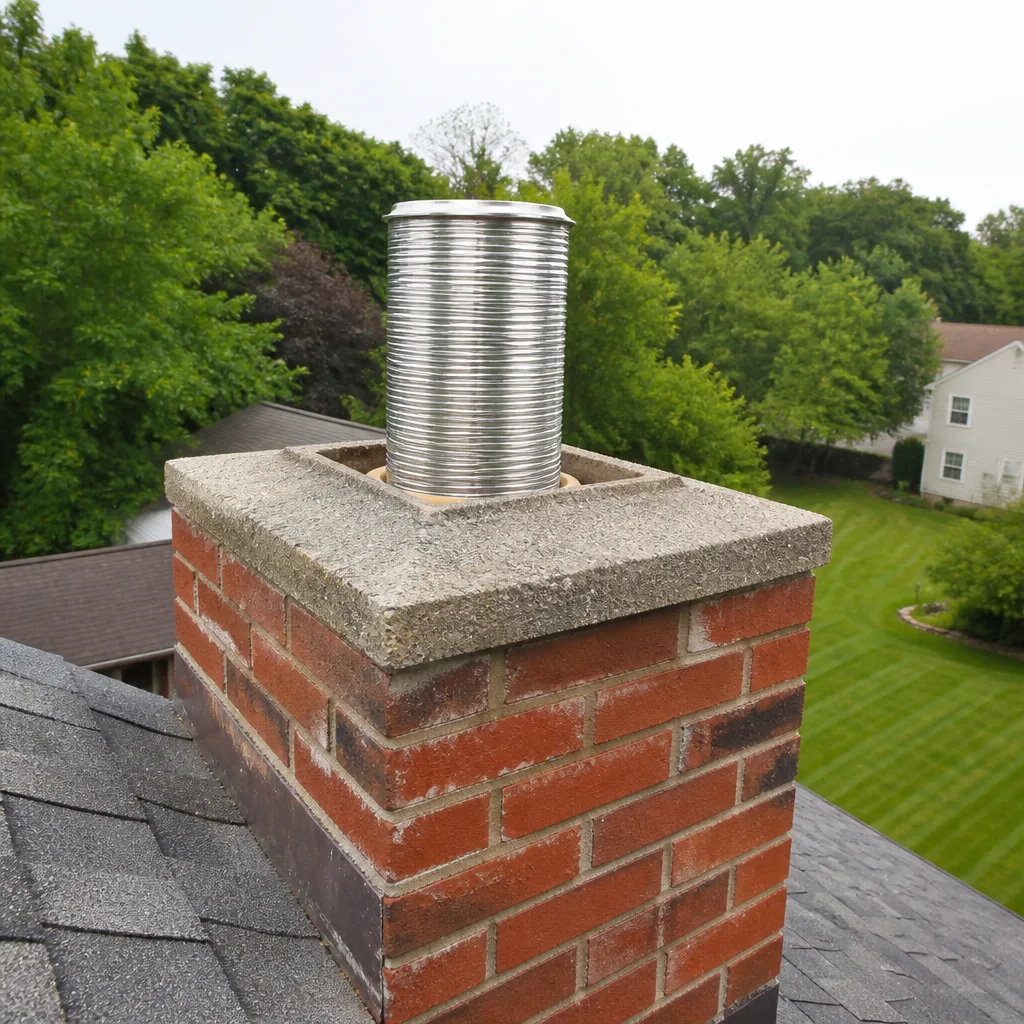 Flue relining
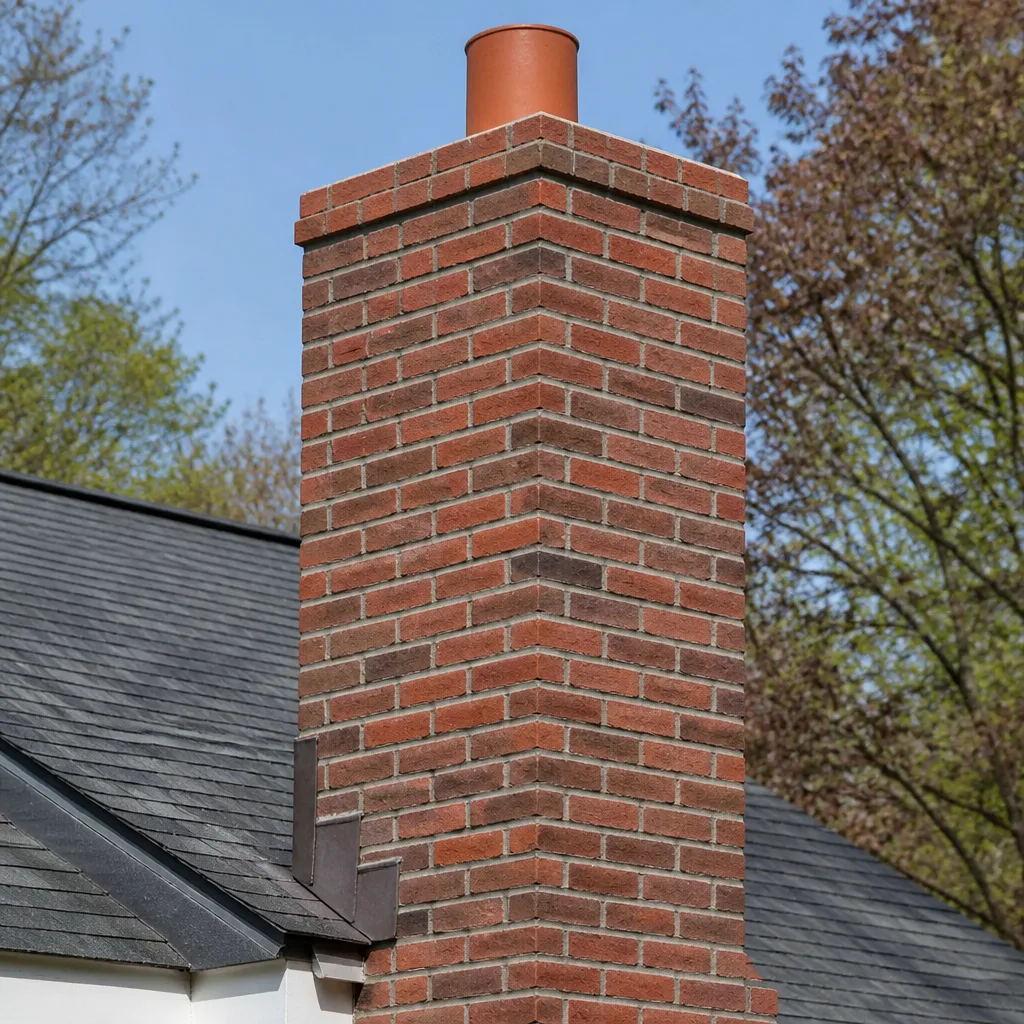 Masonry repair
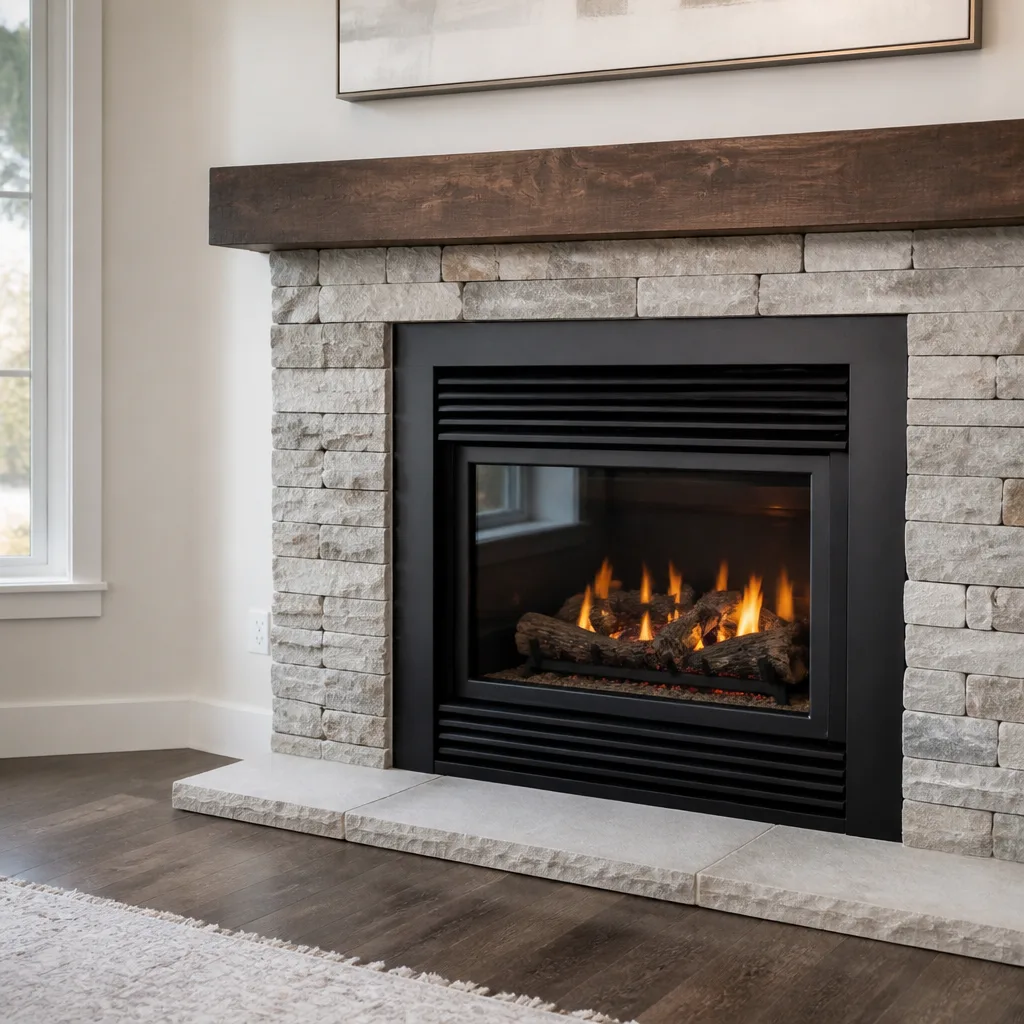 Gas fireplace service
Level 1 sweep and inspection to the NFPA 211 annual standard - flue, crown, cap, and flashing checked and photographed
Chimney sweep logs do not sweep chimneys. They loosen some creosote - which then falls where a brush and vacuum still have to collect it.
Seasonal Chimney Cleaning Care for Tallyn’s Reach: Year-Round Homeowner’s Guide
Summer is when chimney crowns crack, caps corrode, and moisture works its way into liners, all without a single fire being lit. Most homeowners in Tallyn’s Reach think about their chimney only when the first cold night arrives and they’re ready to build a fire. By then, the damage from three quiet seasons is already done. A chimney isn’t a seasonal appliance. It’s an exterior structure sitting in Colorado weather every day of the year, taking UV, snowmelt, wind, and afternoon storms whether you’re burning or not. This guide walks through what each season actually does to your chimney system in Tallyn’s Reach and what to address, in what order, so the first fire of the year isn’t a test of whether the previous nine months held up.
Quick Answer
Year-round chimney care in Tallyn’s Reach comes down to four checkpoints: a post-winter inspection each spring to catch snowmelt and frost damage to the crown and masonry, exterior maintenance in summer when UV and afternoon storms degrade caps and crowns, a professional sweep and inspection in late summer before the fall rush, and attention to creosote buildup through winter burning. The single most valuable habit is scheduling your sweep in late summer rather than waiting until October, because that’s when scheduling is easiest and problems get found with time to fix them before burning season.
Styles & brands we work with
- Sweep & inspection
- Caps & crowns
- Flue relining
- Masonry repair
- Gas fireplace service
Table of Contents
- What Spring Snowmelt and Frost Do to Your Chimney
- Why Summer Is When Exterior Chimney Damage Happens
- The Fall Prep Sequence: What to Confirm Before the First Fire
- How Winter Burning Patterns Affect Creosote
- Why Late Summer Beats the Fall Rush
- A Month-by-Month Chimney Care Calendar
- Common Mistakes to Avoid
- When to Call a Professional
What Spring Snowmelt and Frost Do to Your Chimney
Spring in Tallyn’s Reach is a slow thaw, and that thaw is where a lot of chimney damage quietly begins. Masonry is porous. Through the freeze-thaw cycles that continue well into spring at this elevation, any moisture that got into the brick, mortar, or crown during the winter expands when it freezes and contracts when it thaws. Each cycle widens the crack a little more. The crown, that flat concrete cap on top of the chimney, is the most exposed surface of the whole system and usually the first to show it. A hairline crack in the crown that lets in spring snowmelt becomes a channel for water to reach the flue and the interior of the chimney structure.
Spring is also when the chimney is easiest to inspect from the outside. Snow is off the roof, the weather is workable, and damage that developed over winter is visible before it compounds through the summer storm season. A post-winter inspection catches the things that matter most:
- Cracks, spalling, or flaking in the chimney crown and the top few courses of brick
- Deteriorated mortar joints on the exterior stack
- A cap that shifted, rusted, or lost its fasteners through the winter
- Signs of water intrusion inside the flue or at the smoke chamber
- Efflorescence, the white staining that shows moisture moving through masonry
We inspect before we recommend, every time, and spring is the point in the year when that inspection pays off most. Catching a cracked crown in April means a targeted crown repair with a product like Gelco crown material. Catching it in October usually means a bigger masonry job. If you notice any of these signs yourself, or you simply haven’t had the exterior looked at since last season, a professional inspection early in the year tells you what you’re dealing with before summer makes it worse.
Why Summer Is When Exterior Chimney Damage Happens
Here’s the part most homeowners miss: the chimney takes its hardest exterior beating in the months you’re not using it. Two Colorado-specific forces do most of that work. The first is UV exposure. At this altitude, the sun is intense, and it degrades anything sitting on your roof. Chimney caps and the sealants and fasteners around them break down faster in high-altitude sun than most people expect. Rubber and plastic components dry out and crack, metal brightens then oxidizes, and the caulk lines around a cap fail. Once a cap or its seal is compromised, the next rain goes where it shouldn’t.
The second force is the afternoon storm pattern that defines summer along the Front Range. Storms build fast, dump rain or hail, and move on. Each one is a water test for the top of your chimney. If the crown is cracked, the cap is loose, or the flashing at the roofline has pulled away, that water finds the gap. None of this involves a fire. The chimney can be damaged for months while it sits idle, and you won’t know until the first cold night when smoke backs into the room or you smell damp soot.
Summer is also the most comfortable time to get exterior work done, and the most sensible. Crown repair, cap replacement, and flashing work are all easier when the roof is dry and the weather is stable. If you want a dedicated look at the top of your system, our chimney cap & crown work treats that area as its own service rather than an afterthought, using products spec’d for longevity. We work with brands like Gelco and Olympia Chimney for caps and ventilation components, and a HeatShield application can resurface a liner from the inside when the damage is in the flue rather than the exterior. A mid-summer inspection is the one appointment that catches all of it while the fix is still small.
The Fall Prep Sequence: What to Confirm Before the First Fire
Fall prep isn’t one task. It’s a sequence, and the order matters. If you sweep before you inspect, you’ll clean a flue without confirming whether the liner behind the soot is sound. If you inspect the interior before you’ve confirmed the cap and crown, you may be chasing water damage you could have prevented. Here’s the order we recommend in Tallyn’s Reach, and the reason for each step.
- Confirm the exterior first. Check the crown, cap, flashing, and masonry. Any opening in the top of the system means water can get in during fall rains. Fix the exterior before you spend money cleaning the inside.
- Inspect the flue and firebox. A professional inspection looks at the liner, the smoke chamber, the damper, and the firebox for cracks, gaps, and glaze. This is where HeatShield resurfacing or a DuraFlex flexible liner may come into the picture if the flue has deteriorated.
- Sweep the flue. Once the structure is confirmed sound, the sweep removes soot and creosote so the flue is clear for the season. The sweep and inspection together are the core of a chimney sweep visit.
- Test the firebox and damper. Open and close the damper through its full range. Confirm the firebox brick and mortar are intact. This is the point where a fireplace issue gets caught, and if it needs attention, fireplace repair is best handled before the first fire, not after.
- Build a small test fire. Once everything above is confirmed, a small fire confirms draft and gives you a baseline for the season. Watch for smoke spillage and listen for anything unusual.
Done in that order, fall prep means the first real fire of the season is a safe one, not a diagnostic event. Done out of order, you risk cleaning and repairing a chimney that still has an open crown letting water in from above.
How Winter Burning Patterns Affect Creosote
Creosote is the byproduct of incomplete combustion, and the way you burn through winter directly controls how fast it accumulates. In Tallyn’s Reach, cold nights and long burning seasons mean a lot of fires, and the habits that build up the most creosote are common: damp or unseasoned wood, a fire that’s smoldered down low to stretch the burn, and a damper left partly closed. Each of these drops flue temperature and leaves more unburned material to condense on the liner as creosote. Glazed creosote, the hard, shiny, tar-like form, is the most flammable and the hardest to remove, and it builds fastest in exactly the conditions a long cold winter creates.
You don’t have to sacrifice heat to burn cleaner. The adjustments that reduce creosote accumulation actually improve heat output:
- Burn dry, seasoned wood. Wood with high moisture content spends its heat boiling off water instead of warming the room, and it produces more creosote. Seasoned wood burns hotter and cleaner.
- Don’t smother the fire. A hot, active fire burns more completely than a low, slow one. If you want a longer burn, use larger, denser pieces rather than choking the air supply.
- Keep the damper fully open during active burning. Closing it down to slow the burn cools the flue and encourages condensation.
- Watch for the signs. A strong creosote smell, visible glaze on the flue walls, or a fire that’s harder to start than it used to be all point to buildup that needs a sweep before it gets worse.
Even with good burning habits, a flue needs a professional sweep on a regular schedule through winter. Creosote builds whether or not you can see it, and the only reliable way to know how much is there is to have it checked. If your burning habits are heavy, mid-winter is a sensible checkpoint, not just the start and end of the season.
Why Late Summer Beats the Fall Rush
Late summer is the best time of year to book your professional chimney sweep in Tallyn’s Reach, and the reason is simple: it’s the quiet window before everyone else calls. The first cold snap in October sends a wave of homeowners looking for an appointment, and that wave compresses scheduling. Book in late summer and you get your choice of times, your inspection findings in hand, and a full season to schedule any repair the inspection turns up.
The practical cost of waiting is less about the price of the sweep and more about what the wait does to the repair. A late-summer inspection that finds a cracked crown or a deteriorated liner means the repair gets done on your timeline, before the first fire. A late-October inspection that finds the same thing means you’re either burning in a system that isn’t confirmed safe or postponing the first fire. In our experience, the homeowners who end up with the biggest repair bills are the ones who discovered a problem they could have caught months earlier, when it was a smaller job.
Scheduling early also lets you match the repair to the condition. A flue that’s deteriorated but still structurally sound may be a candidate for HeatShield resurfacing, which repairs the liner surface rather than replacing the whole thing. A flue that’s too far gone gets a DuraFlex flexible liner, the professional standard for relining. The point is that both options exist, and repair-first is the right instinct when the condition allows it. A late-season scramble pushes everyone toward the fastest fix rather than the right one. Our Chimney Sweep Tallyn’s Reach team books late-summer appointments precisely so there’s time to do it right.
A Month-by-Month Chimney Care Calendar
Here’s the whole year in one view. This is built for the Tallyn’s Reach climate, where freeze-thaw, high-altitude sun, and summer storms each do their own kind of work on the chimney. Treat it as a starting point, not a rigid schedule; a heavy burning season or an older chimney may call for more frequent checkpoints.
- March through May (spring): Post-winter inspection. Focus on the crown, masonry, mortar, and cap. Look for water intrusion and efflorescence. This is where winter damage gets caught before it compounds.
- June through August (summer): Exterior maintenance window. Repair crowns and caps, replace compromised flashing, and address any liner concerns while the weather is stable. Book your professional sweep and inspection for late summer.
- September (late summer): The professional sweep and full inspection happen here. Confirm the flue, firebox, damper, and smoke chamber are sound. Schedule any repair the inspection turns up.
- October through November (fall): Complete any recommended repairs and run a small test fire. Confirm draft and address fireplace issues before the season. This is the last comfortable window for exterior work.
- December through February (winter): Burn dry wood, keep the damper open during active fires, and watch for creosote signs. A mid-season sweep may make sense for a heavy burning household.
The through-line is that no season is really “off” for the chimney. Spring is inspection, summer is exterior repair, late summer is the sweep, fall is confirmation, and winter is attention. Miss one and the next season inherits the problem. A single relationship that covers inspection, sweep, cap and crown, and both fireplace repair and masonry repair keeps all of it in one place, so the seams between the seasons don’t become the seams between contractors.
Common Mistakes to Avoid
- Treating the chimney as a fall-only task. The biggest mistake Tallyn’s Reach homeowners make is only thinking about the chimney when they’re ready to burn. Nine months of weather happen before that first fire, and the exterior damage from those months is what the first fire reveals. Check the system in spring, summer, and fall, not just once.
- Skipping the crown and cap because the firebox looks fine. The firebox can look perfect while the crown above it has been cracked since spring. Water enters from the top and works down. Inspect the top of the system, not just the part you can see from the living room.
- Burning damp or unseasoned wood to stretch the supply. In a Colorado winter it’s tempting, but wet wood produces more creosote and less heat. You pay for it twice: once in the wood and again in the sweep that has to remove the buildup.
- Waiting for the fall rush to schedule the sweep. Late summer is the calm window. Booking in October means competing with everyone else and having less time to fix whatever the inspection finds. Schedule the sweep in September, not when the first cold snap hits.
- Assuming a sweep and an inspection are the same thing. A sweep removes soot and creosote. An inspection evaluates the liner, crown, cap, firebox, and damper for condition and safety. You need both, and a company that offers only one is only doing half the job.
- Choosing a repair before you’ve confirmed the condition. Repair-first means matching the fix to the diagnosis, not defaulting to the biggest job. A sound flue may only need resurfacing. A failed flue needs relining. Decide after the inspection, not before.
- Letting one contractor inspect and another repair. When two companies touch the system, the findings and the fix can drift apart. One company that inspects and repairs with the same materials keeps the recommendation consistent with what was actually found.
When to Call a Professional
Some chimney conditions can wait for the next scheduled appointment. Others shouldn’t. Call a professional when you notice smoke backing into the room, a strong creosote smell in the house even when the fireplace is cold, visible cracked or spalling masonry on the exterior stack, a cap that’s loose or missing, water staining on the ceiling or around the chimney, or a firebox or damper that doesn’t operate smoothly. Any of these points to a system that needs a real inspection before the next fire. In Tallyn’s Reach, we’re the same company that inspects and repairs, so nothing gets lost between a diagnosis and the fix. We answer 24/7. Fast dispatch from 7am to 7pm, Sunday through Friday. Call (888) 907-4785 for a free estimate, and the price is set per job by the written estimate after we’ve seen the system.
See the difference
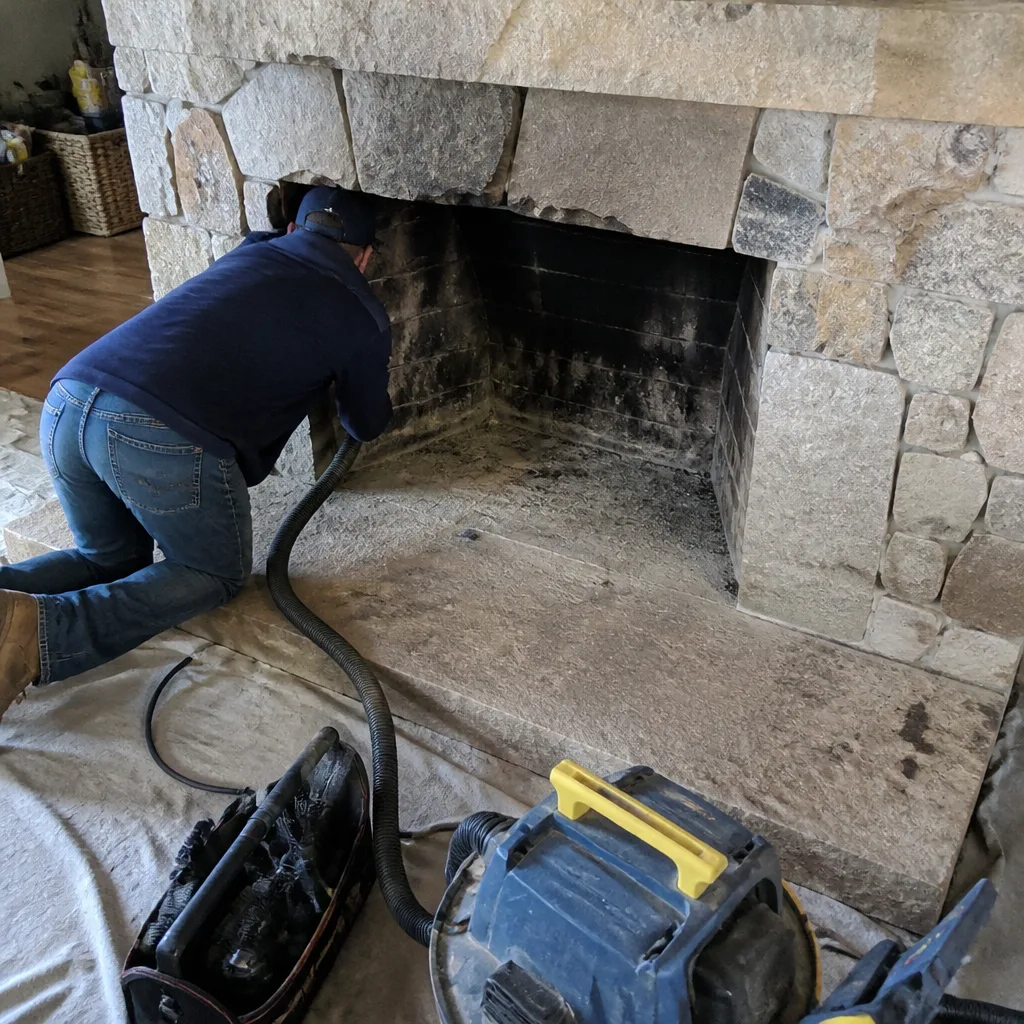 Before
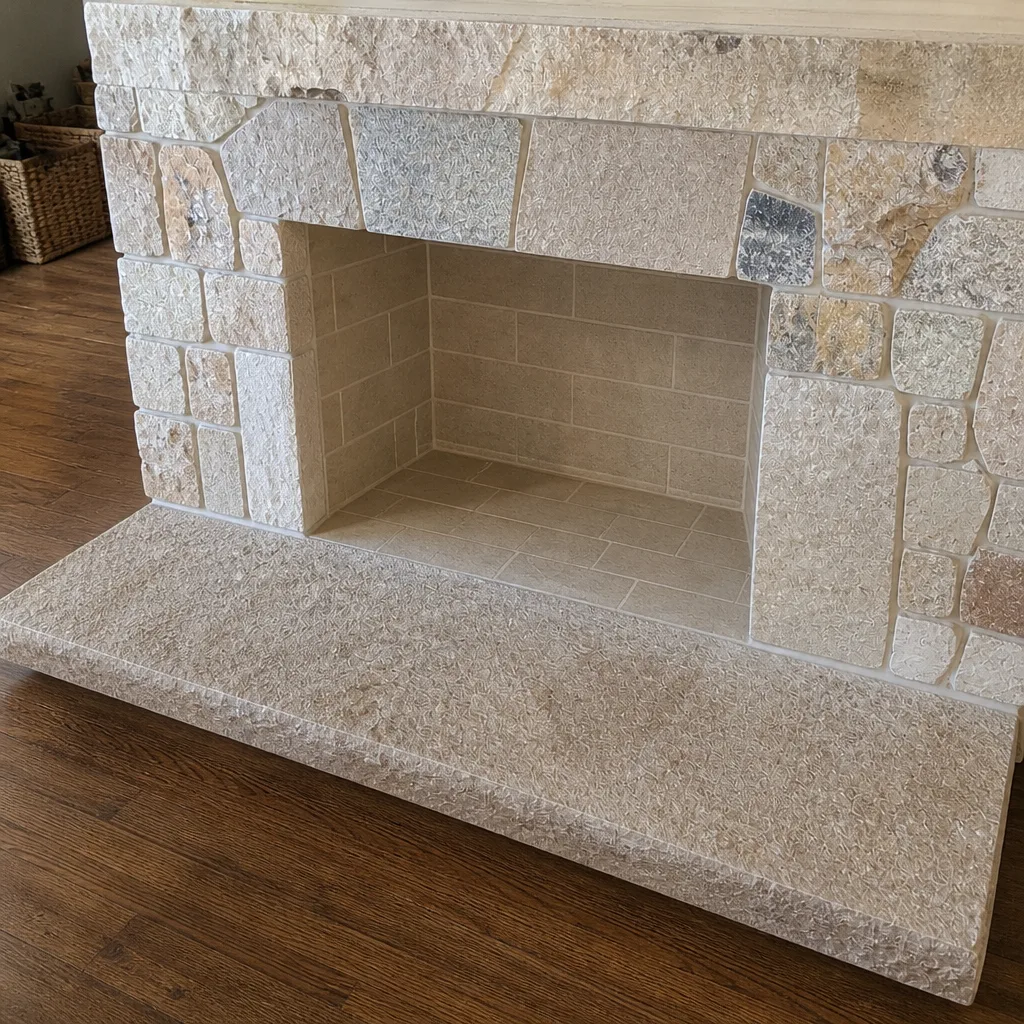 After
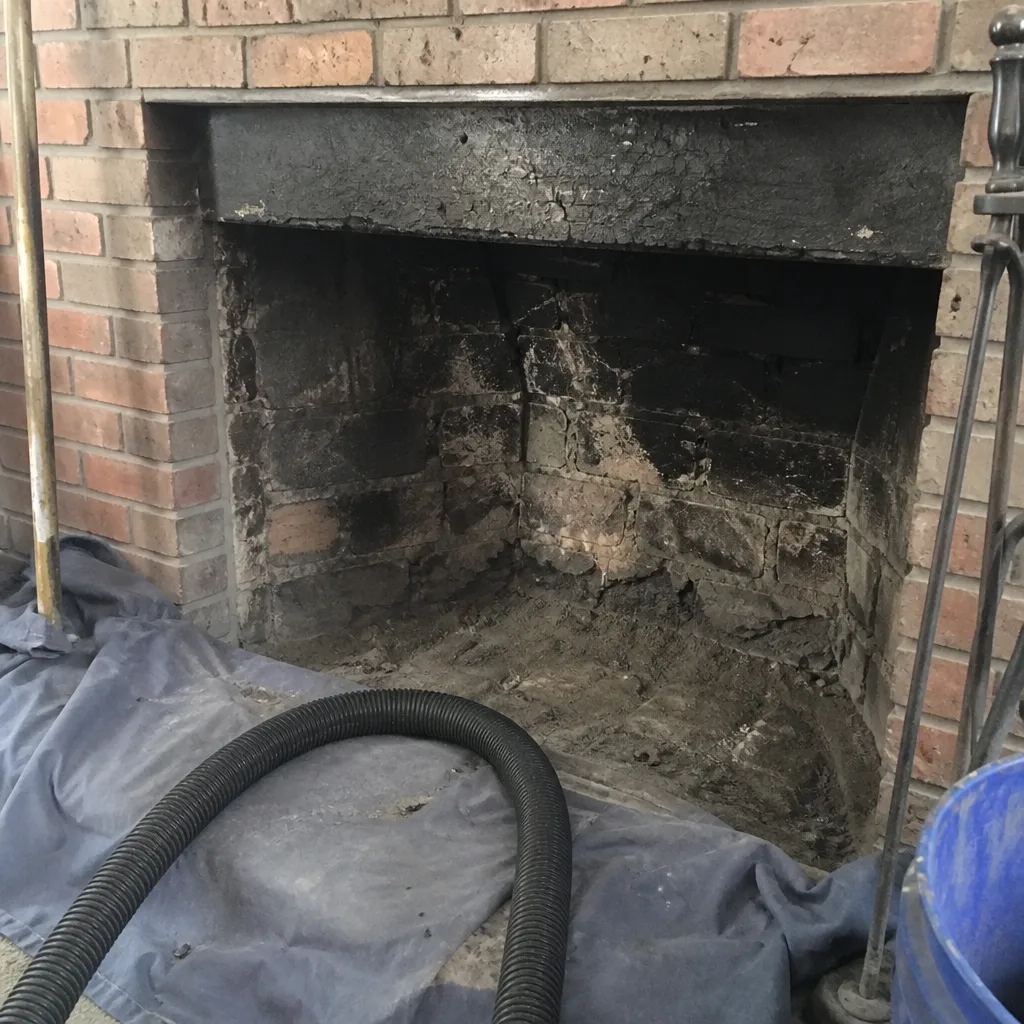
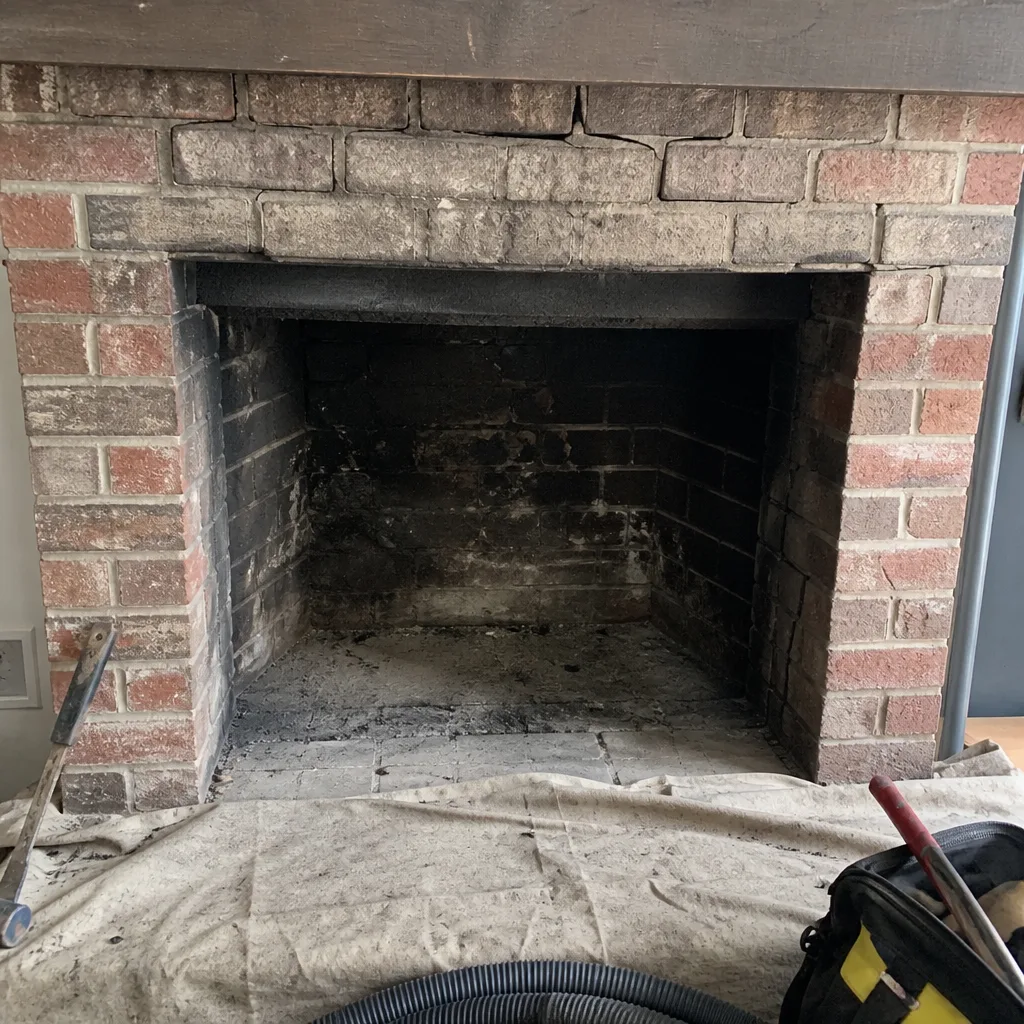 Before
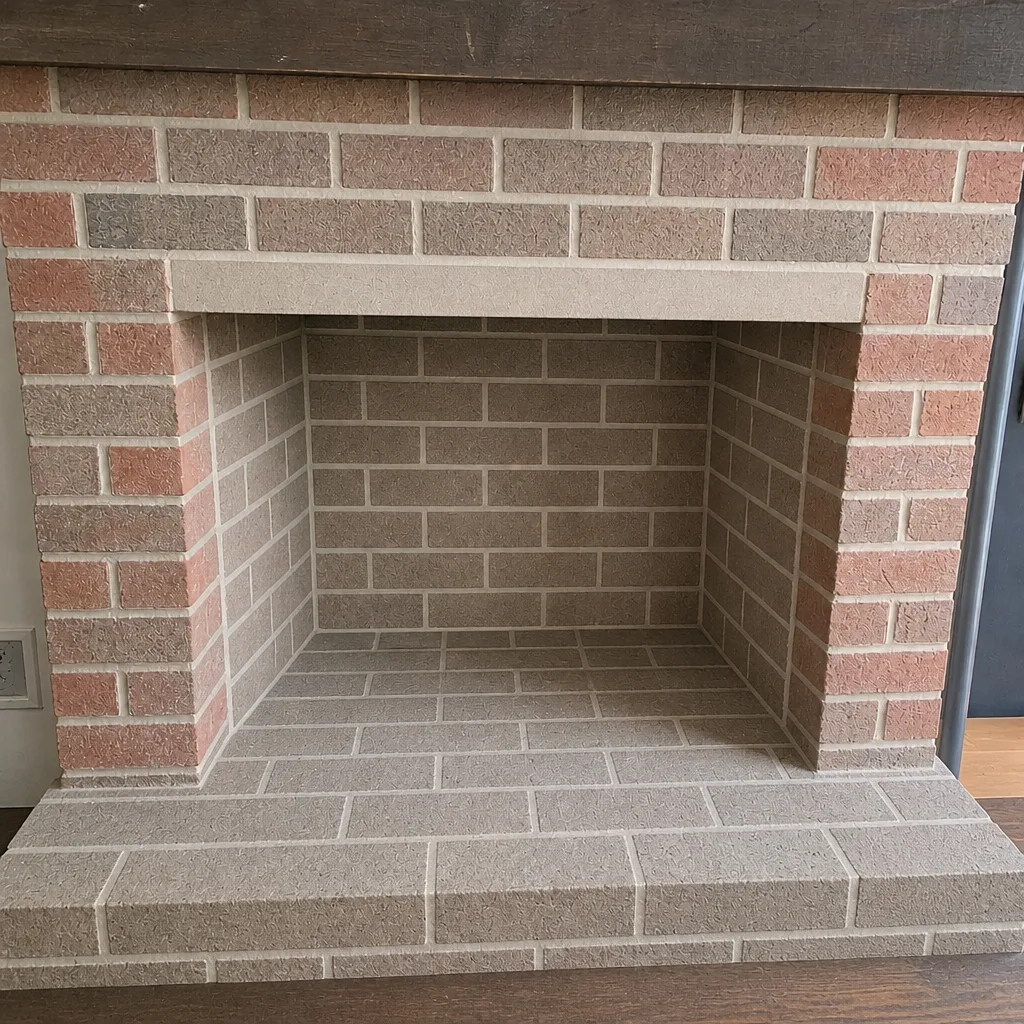 After
 Before
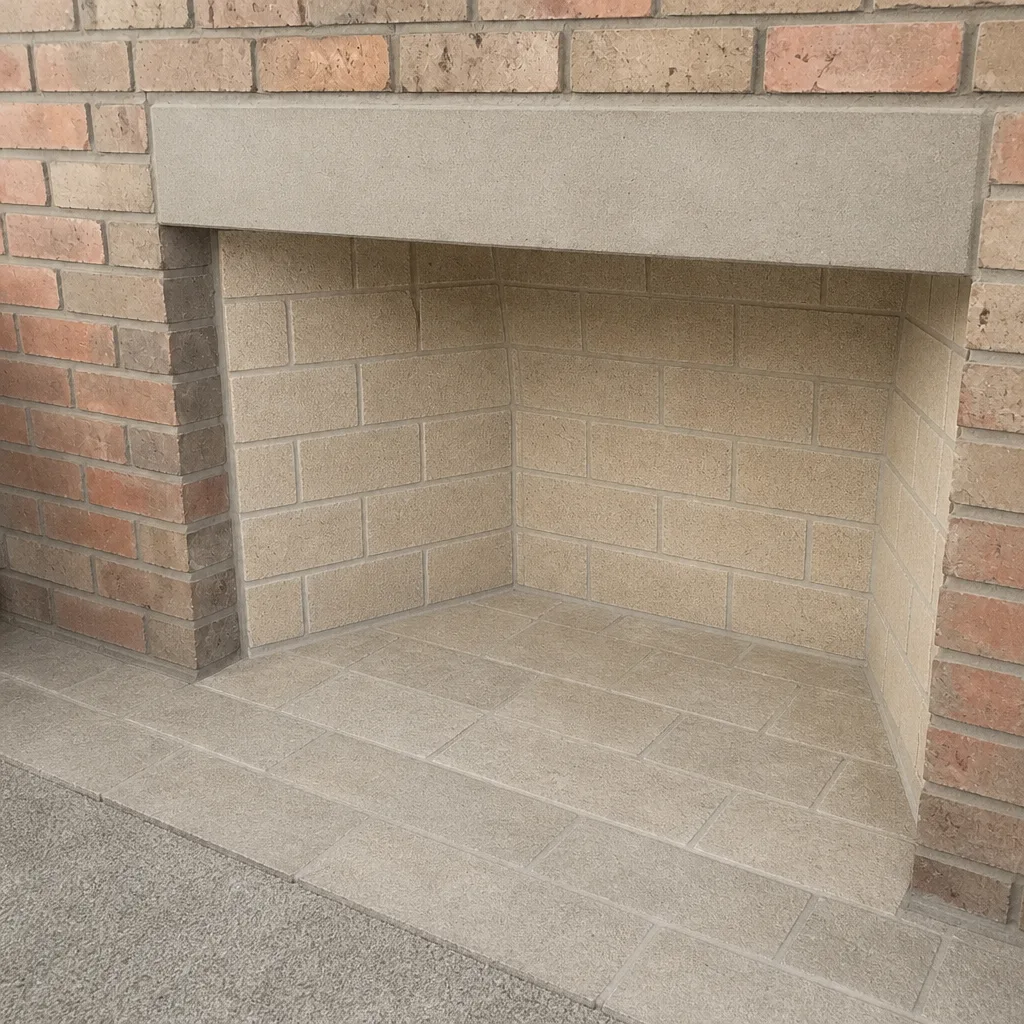 After
Frequently Asked Questions
A chimney should be swept at least once a year, and more often if you burn heavily or notice creosote buildup. The annual sweep and inspection are the baseline for any active fireplace. If you burn frequently through the winter, a mid-season sweep may make sense, especially if you’re burning wood that isn’t fully seasoned. Call (888) 907-4785 to schedule a sweep and we’ll tell you what interval fits your burning habits.
Summer is when exterior damage is easiest to see and easiest to fix. High-altitude UV degrades caps and sealants, and afternoon storms test every opening in the top of the system, so an inspection in June or July catches the damage before fall rains and winter freezing work it deeper. Roof access is also safer and the weather is more stable for crown and cap work. Call (888) 907-4785 for a free estimate on a summer inspection.
Sometimes, but it’s a risk, because water keeps entering the chimney all winter and freeze-thaw cycles keep widening the damage. A minor cosmetic crack may safely wait, but a crack that’s letting water reach the flue or masonry should be repaired before the cold season. The only way to know which case you’re in is to have it inspected. Call (888) 907-4785 and we’ll tell you honestly whether it can safely wait.
Yes, and significantly. Damp wood, a smoldering fire, and a partly closed damper all lower flue temperature and leave more unburned material to condense onto the liner as creosote. Dry, seasoned wood and a hot, active fire burn more completely and deposit less. Even with good habits, creosote builds and needs a professional sweep on schedule. Call (888) 907-4785 for a free estimate if you’re not sure how much buildup you have.
Creosote accumulates on the flue walls, and in its glazed form it’s flammable, which raises chimney fire risk. Structural problems like a cracked crown or a deteriorated liner go unnoticed while water intrusion and freeze-thaw keep making them worse. Most of this happens without a fire in the fireplace. The annual sweep and inspection are how you find the problem before it becomes a bigger repair. Call (888) 907-4785 for a free estimate and we’ll start with the inspection.
Fall scheduling fills up across the region as the first cold nights approach, so booking in late summer puts you ahead of the rush. Late summer also gives you time to handle any repair the inspection turns up before the season starts. If you’re already in the fall rush, call and we’ll find the earliest opening. Call (888) 907-4785 for a free estimate.
The Bottom Line
Chimney care in Tallyn’s Reach isn’t a fall task. Spring snowmelt tests the crown and masonry, summer UV and storms degrade caps and sealants, fall is where prep either happens in order or doesn’t, and winter burning builds creosote whether or not anyone’s paying attention. The homeowners who stay ahead of it treat the chimney as a year-round system with four checkpoints: a post-winter inspection, a summer exterior window, a late-summer sweep and inspection before the rush, and attention through the burning season. Repair first, replace only when necessary, and make the decision after the inspection rather than before. That’s a system you can trust on the first fire of the season and every one after.
Chimney Sweep Tallyn’s Reach offers the full system in a single relationship: inspection, sweep, cap and crown, and both fireplace and masonry repair. Our technicians have up to 12 years of experience, and we work with DuraFlex, HeatShield, Gelco, Olympia Chimney, Famco, and Copperfield so the recommendation fits what your flue actually needs. Call (888) 907-4785 for a free estimate. We answer 24/7. Fast dispatch from 7am to 7pm, Sunday through Friday.
Written by the team at Chimney Sweep Tallyn’s Reach.