
Last updated November 23, 2026
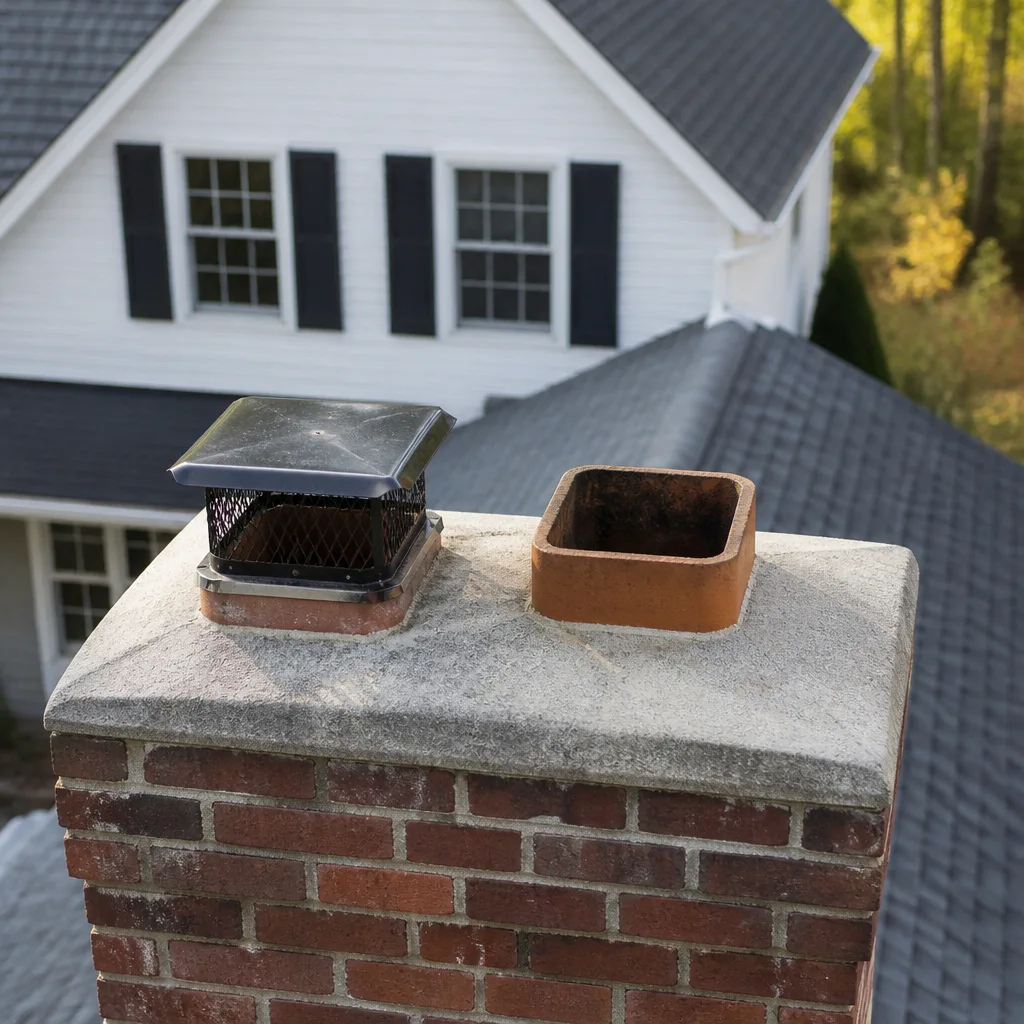 Sweep & inspection
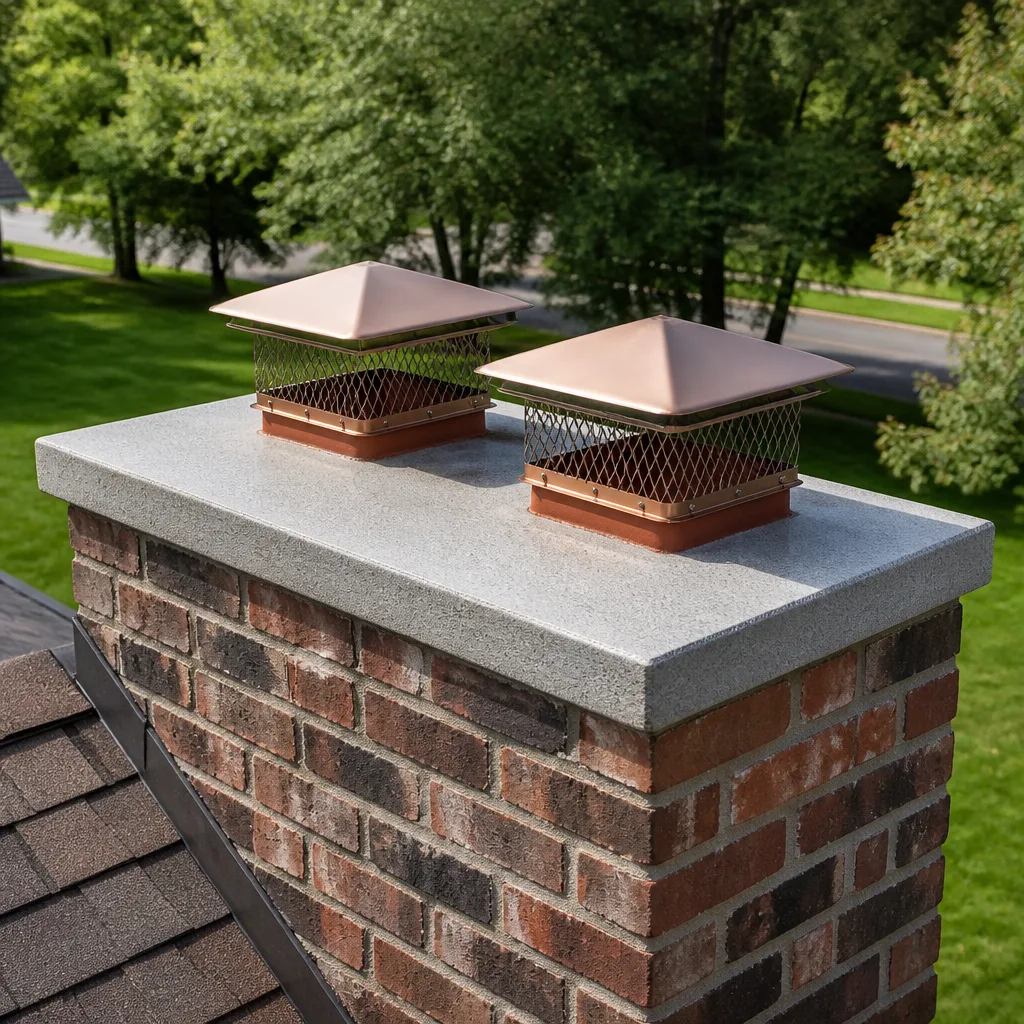 Caps & crowns
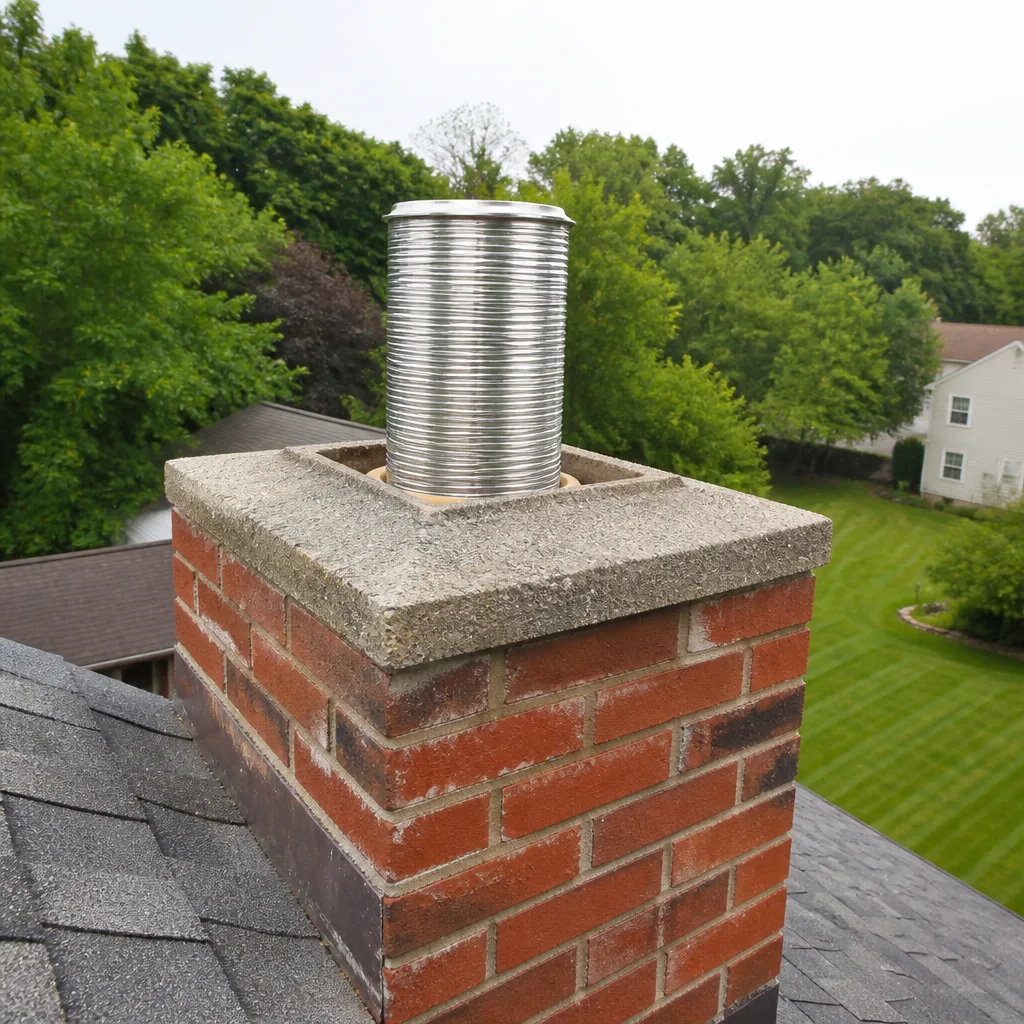 Flue relining
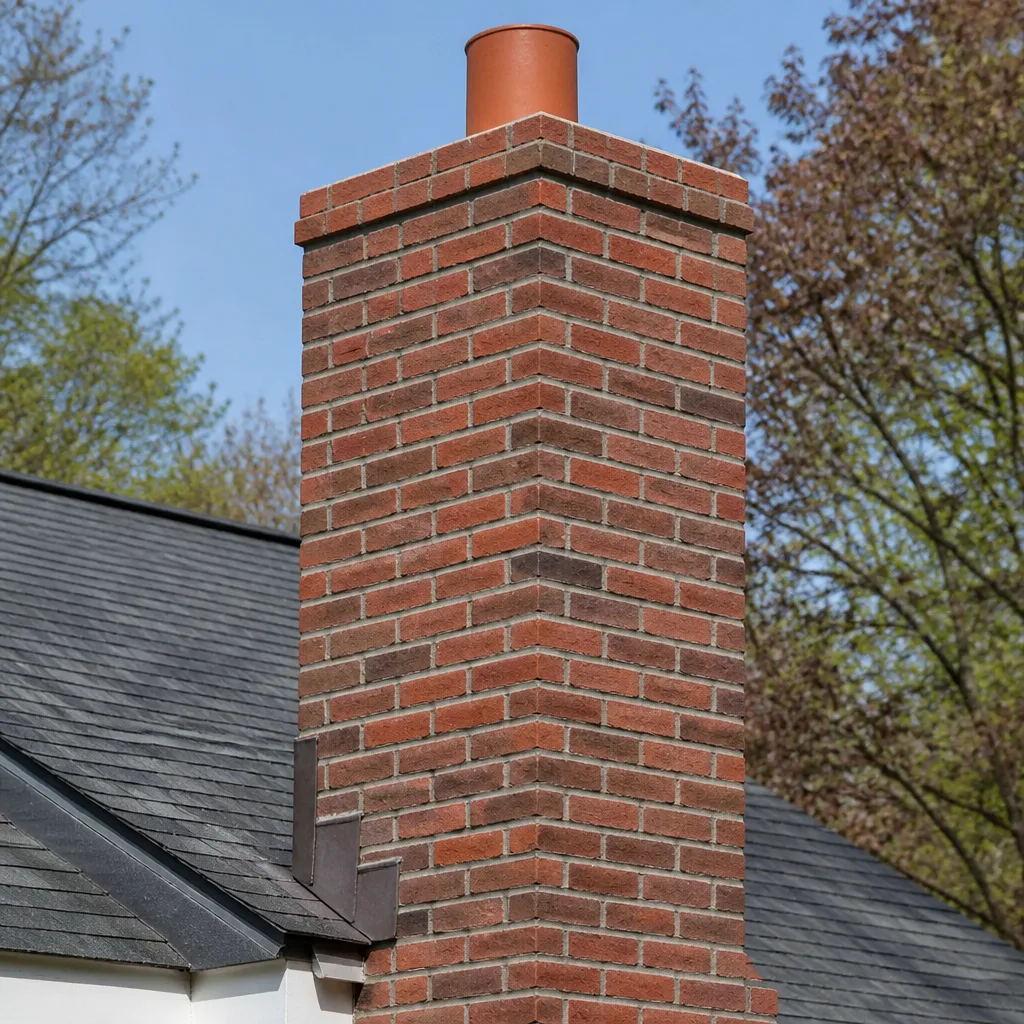 Masonry repair
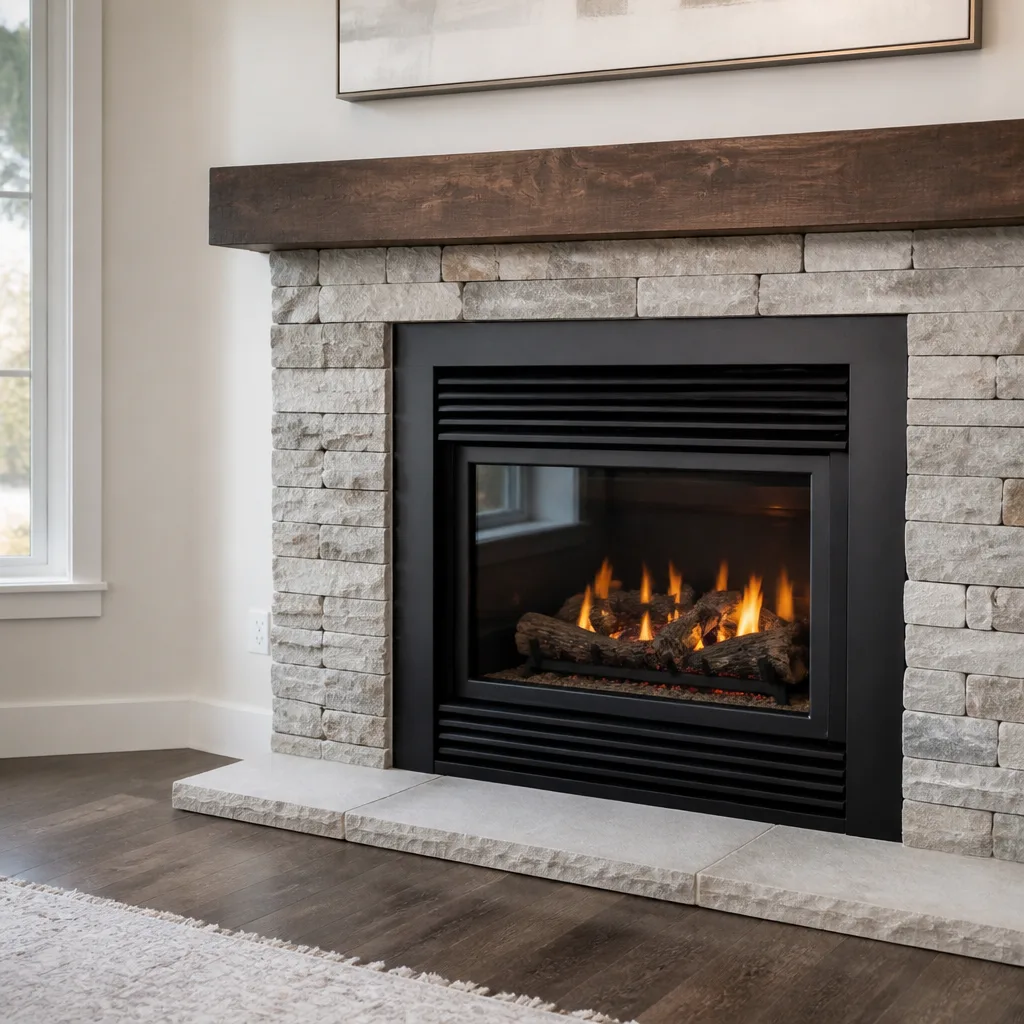 Gas fireplace service
Level 1 sweep and inspection to the NFPA 211 annual standard - flue, crown, cap, and flashing checked and photographed
Chimney sweep logs do not sweep chimneys. They loosen some creosote - which then falls where a brush and vacuum still have to collect it.
Chimney Cleaning Permits, Codes & Inspections in Tallyn’s Reach, CO: What You Need to Know
Homeowners who discover their liner was replaced without a permit typically find out at the worst possible moment: during a home sale inspection that flags the work as unpermitted and unverified. The frustrating part is that most of them had no idea a permit was ever required, because the crew that did the work never brought it up. Chimney cleaning itself almost never needs a permit in Colorado. But the line between “cleaning” and “construction” is thinner than most people think, and crossing it without paperwork creates liability that follows the house, not the contractor. In this guide we’ll draw that line precisely: what triggers a permit under Colorado and Douglas County codes, how NFPA 211 fits in, what a Level 2 inspection actually documents for a real estate transaction, and how to check permit history on chimney work done before you owned your Tallyn’s Reach home.
Quick Answer
Routine chimney cleaning and sweeping do not require a permit in Colorado or Douglas County. Permits become necessary when the work moves into construction territory: replacing or resurfacing a flue liner, rebuilding a chimney structure, altering the firebox, or installing a new appliance and its venting. Those projects fall under the International Residential Code as adopted locally, with NFPA 211 as the technical standard behind them. If you’re only booking a chimney sweep, no permit is involved. If a contractor proposes liner or structural work, ask about permits before they start.
Styles & brands we work with
- Sweep & inspection
- Caps & crowns
- Flue relining
- Masonry repair
- Gas fireplace service
Table of Contents
- Where Chimney Cleaning Ends and Permitted Work Begins
- What Colorado and Douglas County Codes Actually Require
- How NFPA 211 Functions as the Standard Behind Local Codes
- What a Level 2 Inspection Documents in a Real Estate Transaction
- A Code-Compliant Cleaning Report vs. a Visual Once-Over
- How to Verify Permit History on Previous Owners’ Chimney Work
- Questions to Ask Before Any Chimney Contractor Starts
- Why Tallyn’s Reach Chimneys Face Particular Wear
Where Chimney Cleaning Ends and Permitted Work Begins
The simplest way to think about it: cleaning removes what’s inside the flue, and permitting covers anything that changes the flue itself. A sweep brushes creosote off the walls of a liner that’s already there. A reline replaces the liner. One is maintenance. The other is construction, and construction is what building departments regulate.
Here’s how the split usually falls in practice:
- No permit typically required: sweeping and creosote removal, a Level 1 or Level 2 inspection, cap replacement where the cap mounts to an existing crown, minor mortar touch-up at the crown, and firebox cleanout.
- Permit typically required: installing or replacing a flue liner, resurfacing a liner where the flue’s dimensions or materials change, rebuilding a chimney above the roofline, removing or altering a chimney, converting a wood-burning fireplace to gas with new venting, and installing a new stove or insert with its flue connection.
The resurfacing question catches people. HeatShield liner resurfacing is a repair path we use often, and in many jurisdictions it’s treated as a repair to the existing flue rather than a new liner installation. But whether a given job needs a permit depends on your local building department’s read of the scope, not ours. We tell Tallyn’s Reach homeowners to ask the department directly and get the answer in writing. It’s a two-minute phone call that protects a much larger investment.
One more distinction matters: a permit is not the same as an inspection. A permit authorizes the work and triggers a code inspection at defined stages. A chimney inspection by a qualified technician is a separate evaluation of condition and safety. You can need one without the other, or both together.
What Colorado and Douglas County Codes Actually Require
Colorado doesn’t have a single statewide chimney code. Building codes are adopted and enforced at the local level, and Douglas County, like most Front Range jurisdictions, works from the International Residential Code with amendments. The IRC’s chimney and fireplace chapter is where the requirements live: clearances to combustibles, flue sizing, liner material and thickness, hearth extension dimensions, and the height a chimney must reach above the roof. When a job touches any of those elements, it’s permit territory.
A few things worth knowing about how this plays out locally:
- The building department, not the contractor, decides scope. If there’s any doubt whether your project needs a permit, the answer comes from the jurisdiction that would issue it. Ask before work begins.
- Unpermitted work is disclosed at sale. Colorado sellers complete a seller’s property disclosure. Chimney work done without permits can surface there or in a buyer’s inspection, and it complicates closing.
- Homeowners can usually pull permits as owner-builders, but contractors should pull their own. If a crew asks you to take out the permit in your name for work they’re performing and warranting, that’s a flag worth questioning.
- Code inspections happen at defined stages. For a liner replacement, the inspector may want to see the flue before the new liner goes in. A contractor who plans for that inspection is a contractor who expects to pass it.
- Older homes predate current code. Tallyn’s Reach has a mix of home ages, and a chimney built to the code of its era may not meet today’s requirements. That doesn’t make it unsafe automatically, but it does mean a repair can trigger upgrades.
We work in Tallyn’s Reach regularly and we won’t pretend to speak for the building department. What we can do is tell you, before any work starts, which parts of a proposed job typically require a permit, so you can make the call yourself.
How NFPA 211 Functions as the Standard Behind Local Codes
NFPA 211 is the Standard for Chimneys, Fireplaces, Vents, and Solid Fuel-Burning Appliances. It’s the technical document that most local chimney codes lean on when they specify how a flue should be sized, how much clearance a chimney needs from framing, what condition a liner must be in to remain in service, and when an existing chimney has to be relined after an appliance change. Building codes say “this must comply.” NFPA 211 says what compliance looks like in inches and materials.
That matters to a homeowner because it gives you a benchmark. When a contractor tells you your flue “needs” a full replacement, NFPA 211 provides the criteria that justify that conclusion: cracked or missing tiles, gaps at joints, deterioration through the wall thickness, improper sizing for the appliance, or a change in fuel type that the current liner isn’t rated for. If none of those conditions are present, a repair-first approach is worth asking about.
NFPA 211 is also the standard behind inspection levels. It defines the three levels of inspection and what each one covers, which is why a Level 1, Level 2, and Level 3 inspection mean something specific in the trade rather than being marketing language. When we say we inspect before we recommend, the framework for that inspection comes from this standard.
In our experience, the gap between a contractor who knows NFPA 211 and one who doesn’t shows up in the recommendation. The first one can tell you why a flue fails and what would bring it back into compliance. The second one tells you it’s bad and quotes a replacement. Both might arrive at the same answer, but only one can show you the reasoning, and the reasoning is what you’re paying for.
What a Level 2 Inspection Documents in a Real Estate Transaction
A Level 2 inspection is the one that matters in a real estate transaction. It’s required by NFPA 211 whenever a property changes hands, whenever an appliance or fuel type changes, and whenever an event has likely damaged the chimney. It goes beyond the accessible visual check of a Level 1: it covers accessible portions of the attic, crawlspace, and chimney exterior, and it typically includes video scanning of the flue interior.
What it produces is documentation. A proper Level 2 report describes the condition of the flue liner, the firebox, the damper, the crown, the cap, and the clearances visible from accessible spaces, and it identifies defects with enough specificity that a buyer, seller, or real estate agent can act on them. That report becomes part of the transaction record. If it says the liner has joint gaps and the crown is cracked, that’s now a known condition the parties have to address. If it says the system is in serviceable condition, the buyer has a defensible basis for moving forward.
A property transfer inspection is not the same as a code inspection. The code inspection is performed by the jurisdiction and confirms permitted work meets code. The Level 2 is performed by a chimney professional and documents condition. Buyers and sellers need the second one. They may also need to verify the first one, which we cover below.
Sellers benefit from ordering it before listing. Finding a defect on your own timeline and repairing it with documentation is a better position than having a buyer’s inspector find it during the option period and negotiate from it.
A Code-Compliant Cleaning Report vs. a Visual Once-Over
The difference between a code-compliant cleaning report and a visual once-over comes down to documentation and what it can be used for. A once-over is verbal: the technician looks at what’s reachable, tells you it looks fine, and leaves. Nothing is written down. Nothing is photographed. If a problem shows up next winter, there’s no record of what condition the chimney was in.
A proper cleaning or inspection report includes several elements:
- Scope of what was inspected and what wasn’t. A report that says “chimney inspected” without noting that portions were inaccessible is misleading, even if unintentionally.
- Condition findings on the liner, firebox, damper, crown, and cap. Each component described, not just a pass or fail on the whole system.
- Photo or video documentation. Camera inspection means you see the same evidence we do. This is the single best protection against being told you need work you can’t verify.
- Clear recommendations separated by urgency. What needs attention now, what can wait, and what to monitor. A report that frames everything as urgent isn’t a report, it’s a sales pitch.
- Whether the work performed required or involved a permit. If a previous contractor’s work is in question, this is where it gets documented.
We photograph what we find and we share it. If a liner is failing, you’ll see the crack. If the crown is spalling, you’ll see the spall. And if the chimney is in good shape, the report will say so, which is worth having on file when it’s time to sell. We can tell you plainly when work can safely wait until next season.
How to Verify Permit History on Previous Owners’ Chimney Work
If you’ve bought a Tallyn’s Reach home and you don’t know whether the liner was ever replaced, this is the section to read before you light your first fire of the season. Unpermitted chimney work from a previous owner is one of the more common hidden issues we encounter, and it’s rarely malicious. The prior owner hired a crew, the crew did the work, and nobody mentioned permits.
Here’s how to check:
- Start with the county or local building department. Douglas County maintains permit records by address, and a records request for the property will show any chimney, fireplace, or mechanical permits that were pulled and their inspection results.
- Request the closing documents from your purchase. The seller’s property disclosure often lists chimney work performed and whether permits were obtained. Look for language that describes liner replacement or chimney repair.
- Look at the physical evidence. A liner replacement leaves tells: a new stainless liner visible from the top, a new cap, fresh mortar at the crown, or a manufacturer’s label on the liner. If you see new materials but no permit record, that’s a conversation to have with the building department.
- Commission a Level 2 inspection. Regardless of what the records show, a Level 2 with video scanning tells you the condition of what’s actually installed. That’s the fact that matters for safety.
- If unpermitted work exists, ask the building department about the path to compliance. Options range from a retroactive review to a new permit for corrective work, depending on the jurisdiction and the condition found. Don’t assume the worst and don’t assume nothing.
Get this done before the first cold snap, not after. Discovery is easier and options are wider when you’re not in a hurry.
Questions to Ask Before Any Chimney Contractor Starts
The best protection against a permitting problem is asking before anyone puts a ladder on the roof. A contractor with a clean process will answer these without hesitation.
- Does this job require a permit under your code? If they don’t know, they should say so and find out. A contractor who says “never” for every job, including liner replacements, doesn’t know the code.
- Will you pull the permit in your name? The company performing and warranting the work should be the permit holder. Owner-pulled permits for contractor work shift liability to you.
- What inspection stage will the code inspector need to see? For liner work, this often means an open flue before installation. A contractor who builds that stage into the schedule expects the work to pass.
- What standard will you cite for the repair recommendation? The answer should reference NFPA 211 criteria: liner condition, clearance, sizing. If the recommendation is “it’s old,” ask for the specific condition.
- Can I see the camera footage or photos before you leave? This is the one that catches everything. If they can’t or won’t show you the evidence, the recommendation isn’t verifiable.
- What documentation will I get when the work is done? A written report, photos, and, if applicable, the permit inspection result. This is what protects you at resale.
We inspect before we recommend, every time, and the report comes with the evidence. That’s the standard we hold our own work to in Tallyn’s Reach, and it’s the standard worth holding any contractor to.
Why Tallyn’s Reach Chimneys Face Particular Wear
Tallyn’s Reach sits on the eastern edge of the Front Range, and that location shapes how chimneys age. The freeze-thaw cycle along this part of the ridge is hard on masonry. Water gets into a hairline crack at the crown or a joint in the brick, freezes overnight, expands, and widens the crack. Repeat that across a season and a small defect becomes a real one. Crown and cap problems are the most common water intrusion source we find in Tallyn’s Reach, and they’re the reason we treat chimney cap & crown work as a dedicated service rather than an add-on.
The other local factor is how the heating season runs. Chimneys here see concentrated use from fall through spring and then sit idle through dry summer months. That idle period matters. A damaged crown or an unsealed chase lets water in during the dry months, and the damage accumulates without anyone noticing until the first fire of the next season pushes smoke where it shouldn’t go.
The local housing stock adds a layer. Homes built in different phases of the neighborhood’s development followed different code cycles, so two similar-looking houses on the same street can have chimneys built and vented to different standards. That’s why we don’t rely on “houses around here usually have X.” We look at the specific chimney.
The practical takeaway: an annual inspection catches crown and cap deterioration early, before it reaches the liner or the framing. And when a repair moves into liner or structural territory, that’s the point to ask about permits. Two separate questions, both worth asking every year.
Common Mistakes to Avoid
- Assuming all chimney work is unpermitted. Cleaning and inspection don’t need permits. Treating every contractor as suspect leads homeowners to skip the maintenance that prevents the bigger problems. The right move is to ask about permits specifically when the scope involves liners, structure, or new appliances.
- Accepting a replacement recommendation without seeing the evidence. If a contractor tells you the liner is failing and can’t show you a photo or video, you have no way to verify it. Ask for the footage. A legitimate recommendation survives being seen.
- Pulling the permit yourself for contractor work. When the homeowner pulls the permit, the homeowner carries the compliance risk. The company doing and warranting the work should hold it.
- Skipping the permit history check at purchase. In Tallyn’s Reach, where the housing stock spans multiple code cycles, a previous owner’s unpermitted liner replacement can sit undiscovered for years. A records request at closing is cheap insurance.
- Treating a Level 1 inspection as a substitute for a Level 2 at sale. A Level 1 covers what’s visually accessible during normal service. A property transfer calls for a Level 2 with video scanning per NFPA 211. They document different things and serve different purposes.
- Letting a crown or cap issue wait because it’s “just cosmetic.” Water intrusion at the crown is the most common path to structural deterioration in this climate. Cosmetic today, masonry repair next season.
- Ignoring the idle season. A chimney that’s fine in November can deteriorate through a dry summer if the crown is cracked. Annual inspection catches it before the next heating season starts.
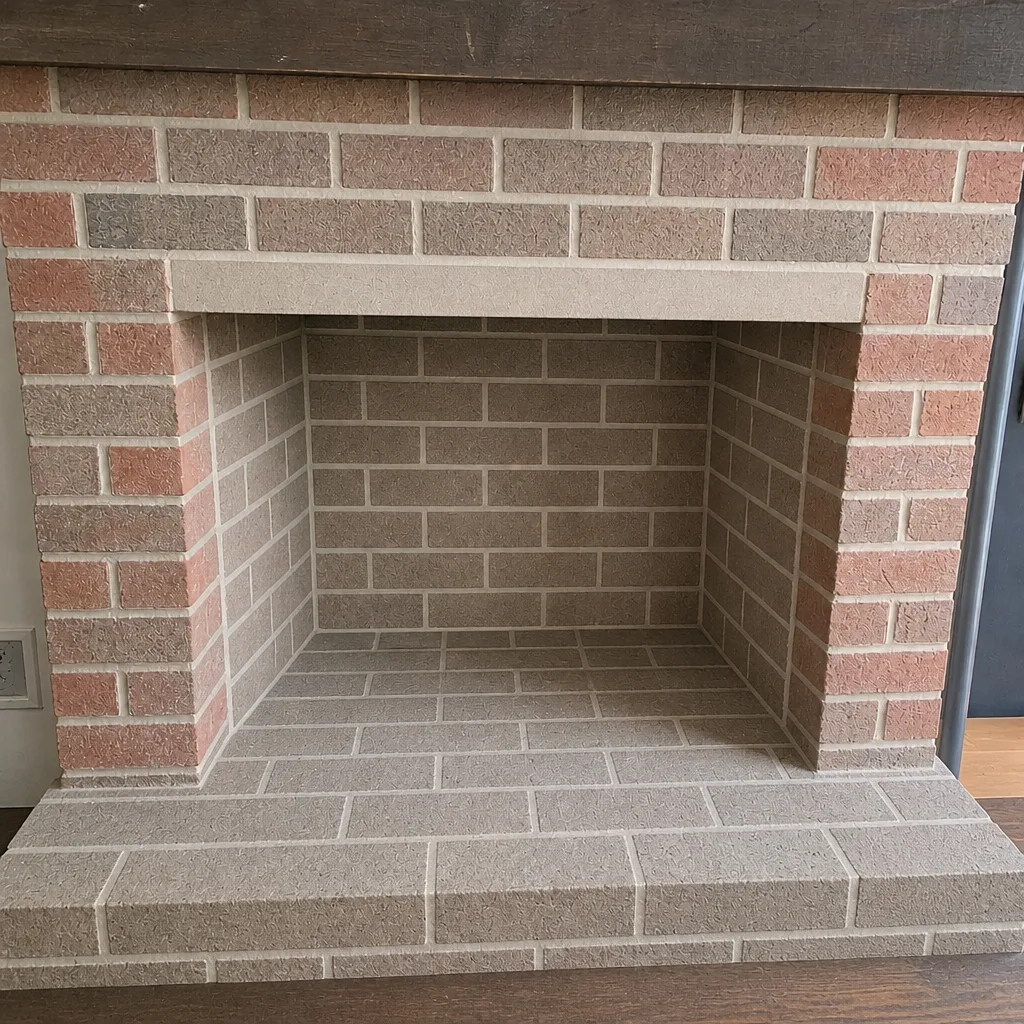
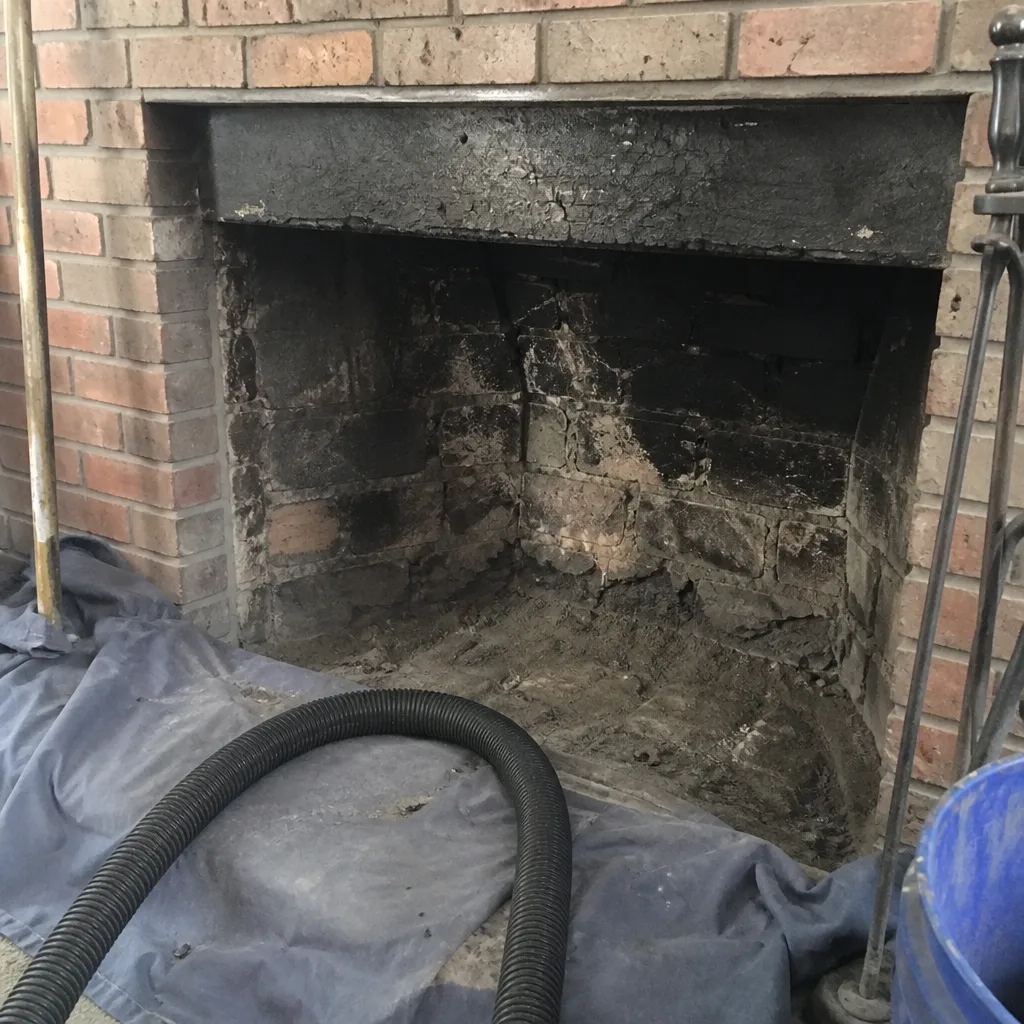
See the difference
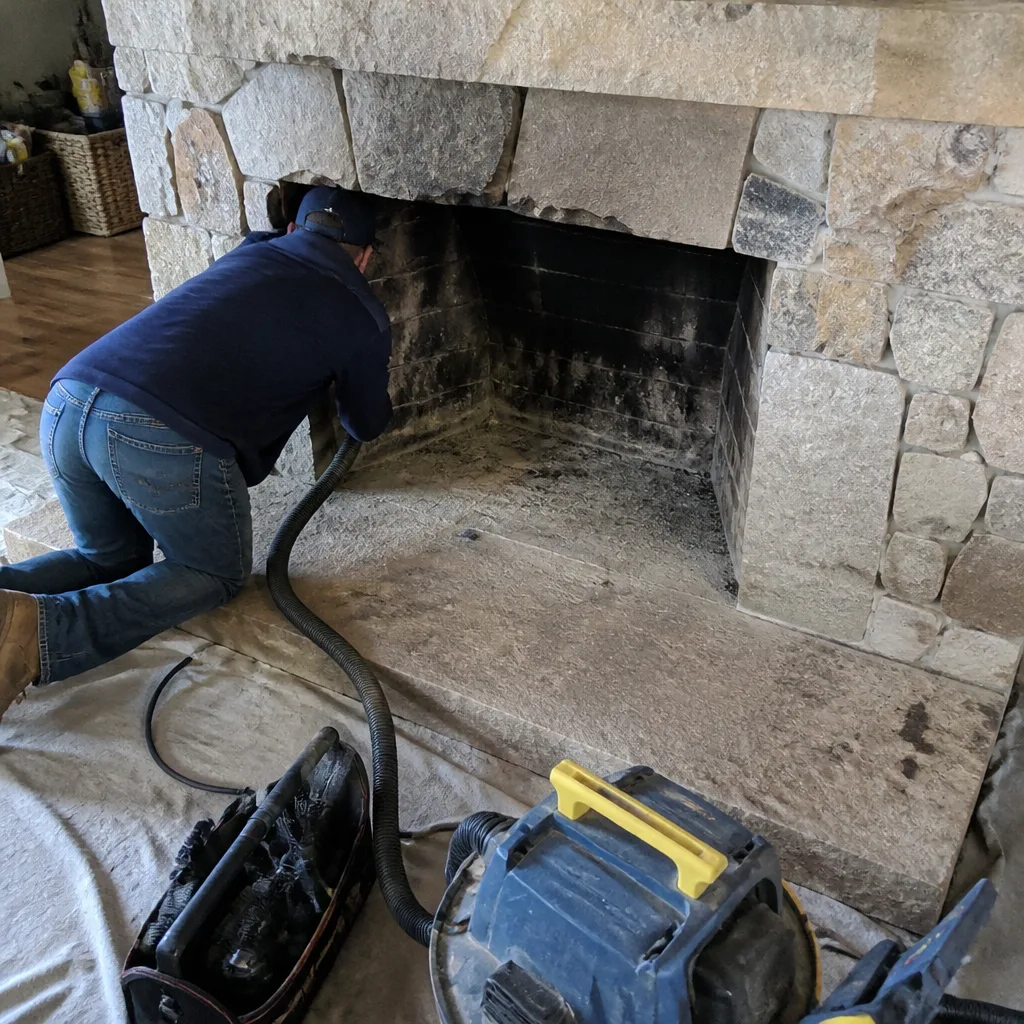 Before
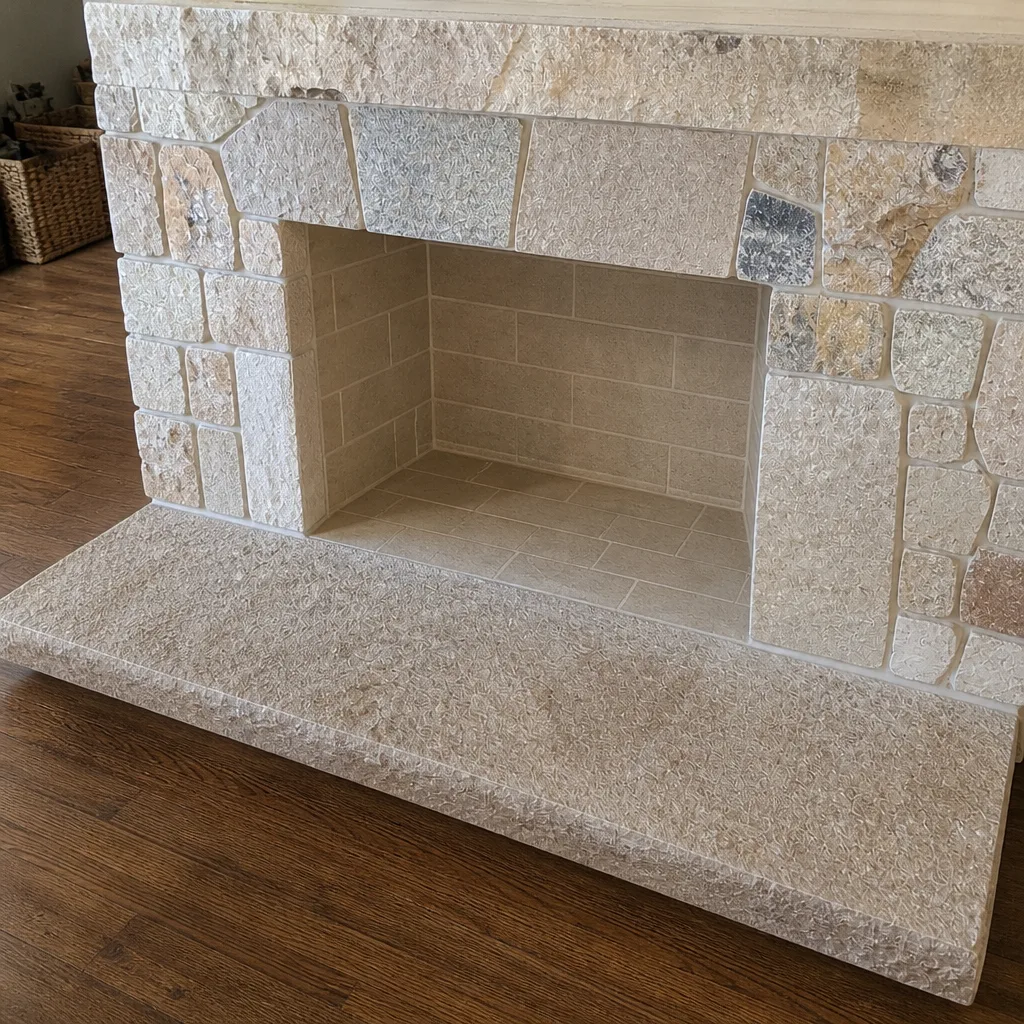 After
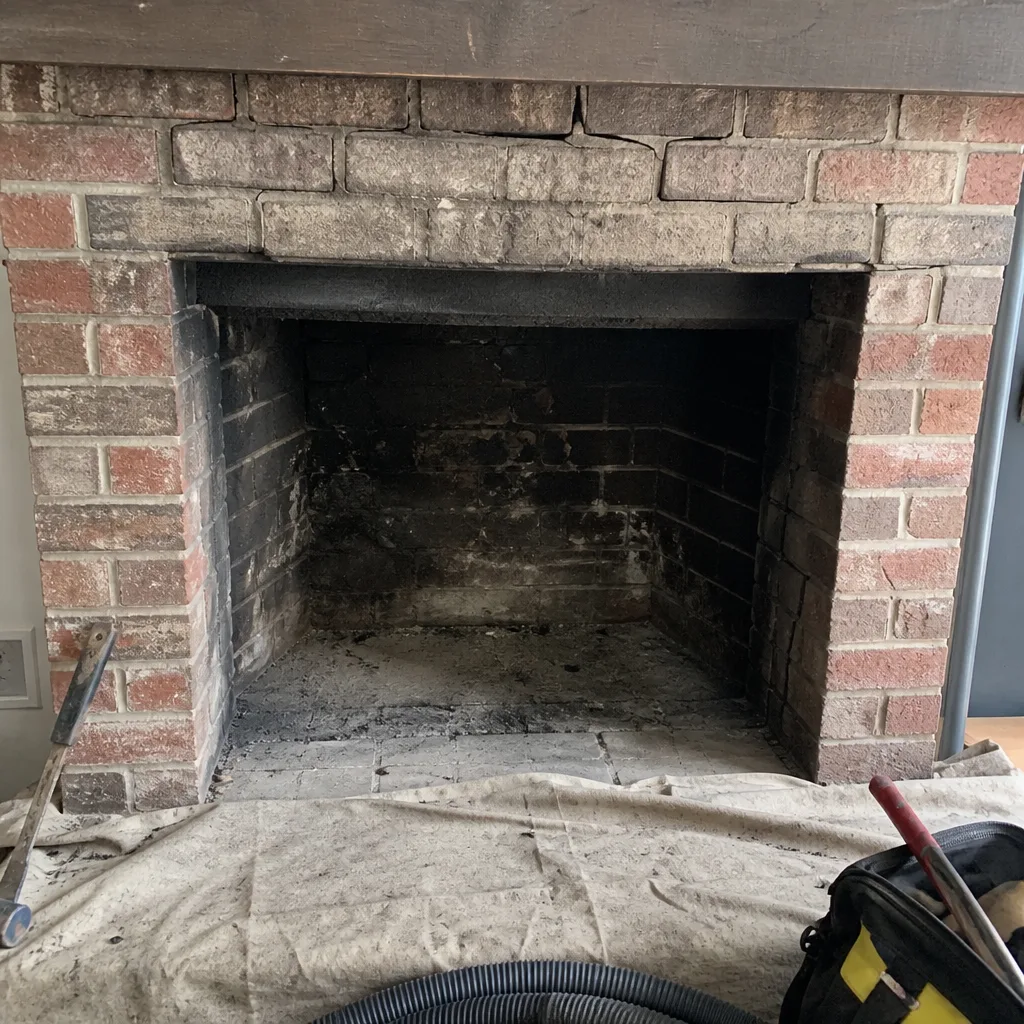 Before
 After
 Before
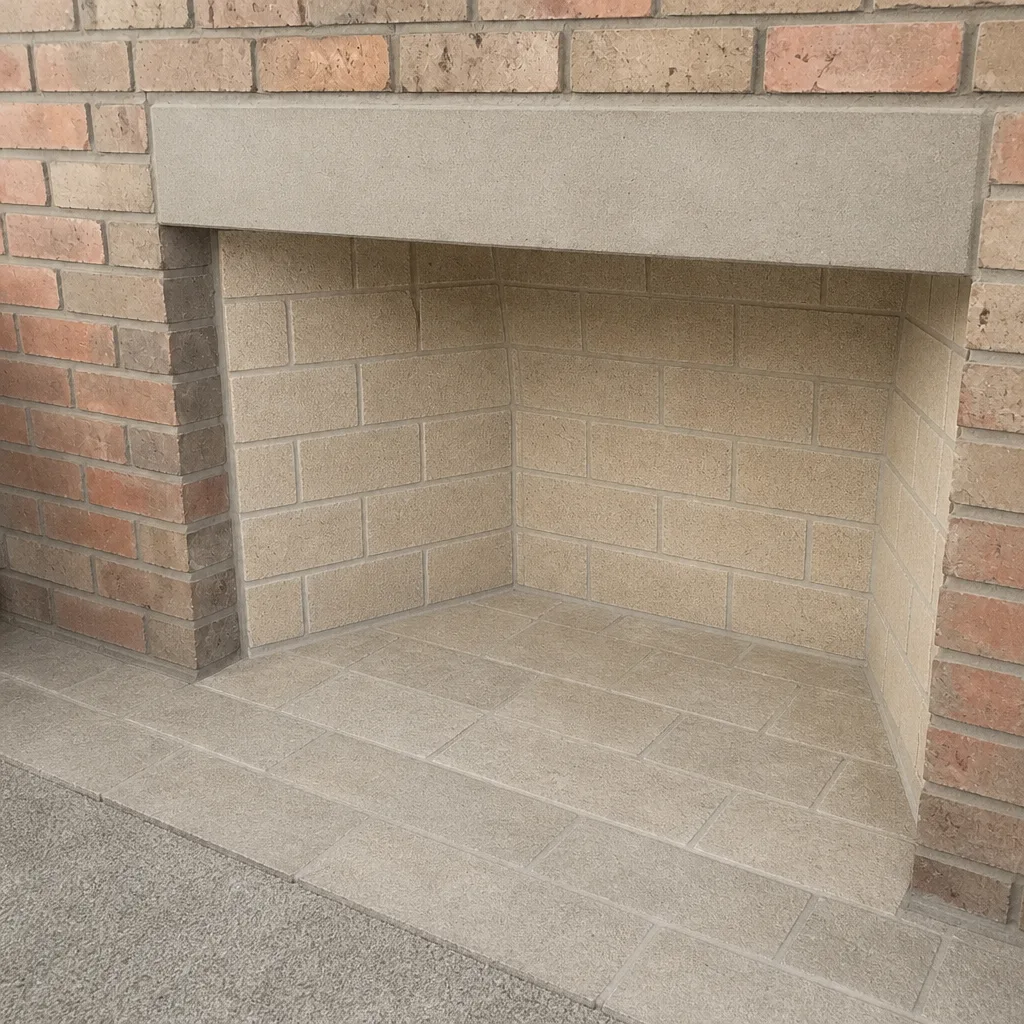 After
When to Call a Professional
Call a professional when any of these apply: it’s been more than a year since the last inspection; you’ve moved into a Tallyn’s Reach home and don’t know the chimney’s service history; you’re buying or selling and need a Level 2 for the transaction; a contractor has recommended liner or structural work and you want the recommendation verified with camera evidence; you’re seeing water stains, rust on the firebox, or smoke backing into the room; or you’re changing fuel type or installing a new appliance. Some of those are urgent and some can wait for a scheduled visit, and we’ll tell you which is which. As a full-system specialist we cover inspection, cleaning, chimney cap & crown work, and repair in a single relationship, so the company that inspects is the same company that documents and repairs. Chimney Sweep Tallyn’s Reach offers free estimates in Tallyn’s Reach. Call (888) 907-4785 for yours.
Frequently Asked Questions
No. Routine chimney cleaning and inspection do not require a permit in Tallyn’s Reach or anywhere in Douglas County. Permits come into play when the work changes the flue or the structure: liner replacement or resurfacing, chimney rebuild, firebox alteration, or new appliance venting. If you’re booking a standard chimney sweep, there’s no permit involved. If a contractor proposes liner work, ask about permits before they begin. Call (888) 907-4785 for an exact quote on the inspection or cleaning you need, and we’ll tell you plainly whether the scope in front of us involves permit territory.
NFPA 211 is the national standard for chimneys, fireplaces, vents, and solid-fuel appliances, and it’s the technical basis behind most local chimney code requirements. It defines what condition a liner must be in to remain in service, what clearances are required, and what the three levels of inspection cover. It matters because it gives you a benchmark: when a contractor recommends replacement, NFPA 211 provides the specific criteria that justify it. If those criteria aren’t present, ask why. Call (888) 907-4785 and we’ll explain what the standard requires for your specific flue and appliance.
A Level 2 inspection documents the condition of the entire accessible chimney system, including video scanning of the flue interior, and it’s the inspection NFPA 211 requires at a property transfer. The written report describes the liner, firebox, damper, crown, cap, and clearances with enough specificity for buyers and sellers to act on it. It’s not a code inspection: the code inspection confirms permitted work meets code, while the Level 2 documents condition. Both can be relevant in a sale. Call (888) 907-4785 to schedule a Level 2 before your transaction’s inspection deadline.
Start with a records request to Douglas County’s building department for the property address, and compare any permit records against the physical evidence on the chimney. New liner material, a fresh crown, or a recent cap with no permit on record is the pattern to look for. Your purchase documents may also reference chimney work in the seller’s disclosure. Then commission a Level 2 to confirm the condition of what’s actually installed, regardless of paperwork. Call (888) 907-4785 if you’d like the inspection and the documentation in one visit.
It depends on how your local building department classifies the scope. HeatShield resurfacing repairs a deteriorated flue without replacing the liner, which many jurisdictions treat as repair rather than new construction, but that’s the department’s call, not ours. Ask them directly before work begins and get the answer in writing. We offer HeatShield resurfacing alongside DuraFlex flexible liner systems because repair first and replace only when necessary is the right order of operations, and we’ll tell you which path your flue actually needs. Call (888) 907-4785 for a free estimate on either.
Usually, yes, though the amount depends on what’s missed. The repairs we see escalate most in Tallyn’s Reach start small: a hairline crack at the crown, a cap that’s lost its seal, a joint in the liner that’s begun to gap. Caught at an annual inspection, those are minor repairs. Caught three seasons later, they’ve often reached the framing or the liner itself. An annual inspection with photos gives you a record of what was fine and what needed watching. Call (888) 907-4785 to get yours on the schedule and start a documented baseline for your chimney.
The Bottom Line
Chimney cleaning doesn’t require a permit. Chimney construction does. The dividing line is whether the work changes the flue or structure, and the way to get that answer is to ask your building department directly before work begins, not after. NFPA 211 provides the technical standard behind local codes and behind every legitimate inspection level, which is why the level of inspection and the documentation it produces matter as much as the cleaning itself. A Level 2 inspection is what documents a chimney’s condition in a real estate transaction, and a proper report with photo and video evidence is what protects you from paying for work you can’t verify. If you’ve bought a home in Tallyn’s Reach and don’t know its chimney history, check the permit records and get a Level 2 before the next heating season. We inspect before we recommend, every time, and the evidence comes with the report.
Your chimney system, covered start to finish. Chimney Sweep Tallyn’s Reach offers free estimates in Tallyn’s Reach, and we’ll tell you plainly what your chimney needs, what it doesn’t, and what can safely wait. Chimney Sweep Tallyn’s Reach covers inspection, cleaning, cap and crown work, chimney repair, and fireplace repair using professional-grade brands like DuraFlex and HeatShield, matched to what your flue actually needs. Call (888) 907-4785. We answer 24/7. Fast dispatch from 7am to 7pm, Sunday through Friday. Our technicians have up to 12 years of experience.
Written by the team at Chimney Sweep Tallyn’s Reach.