
Last updated November 23, 2026
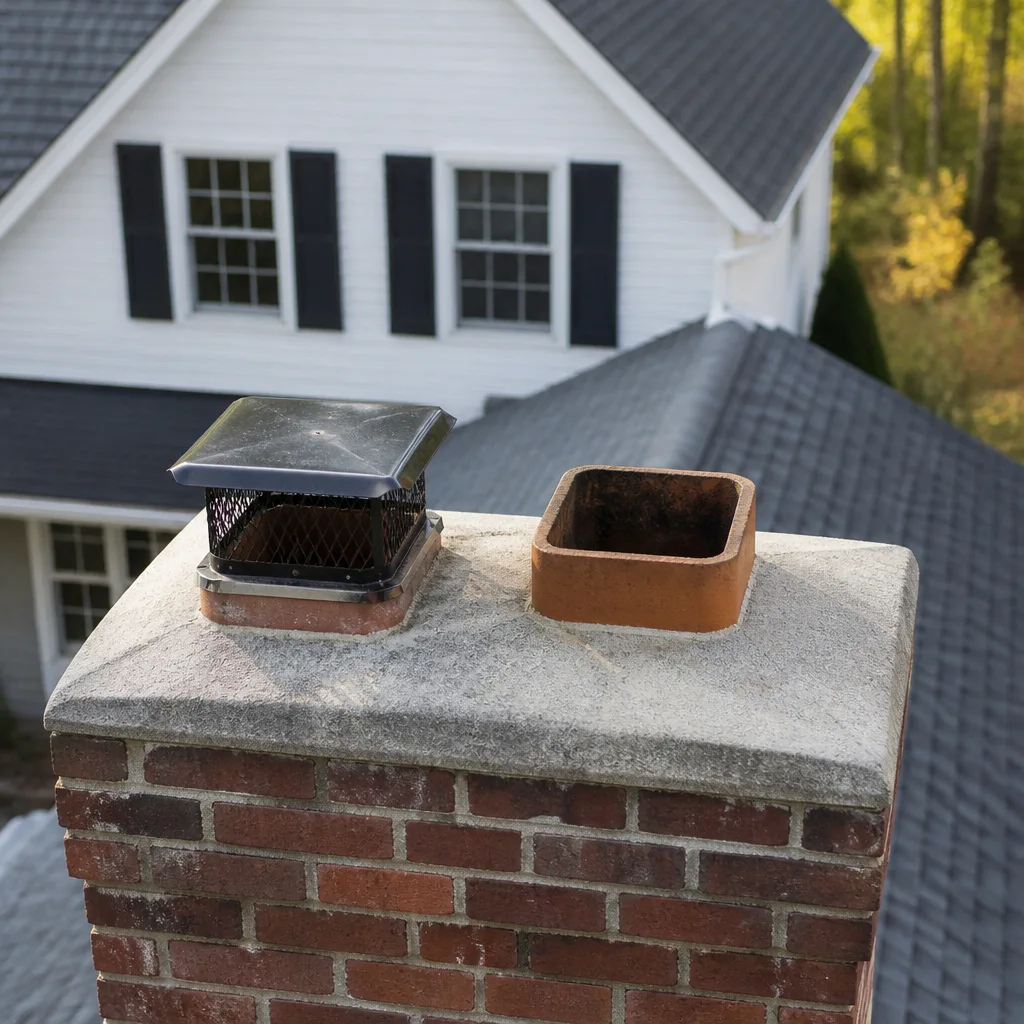 Sweep & inspection
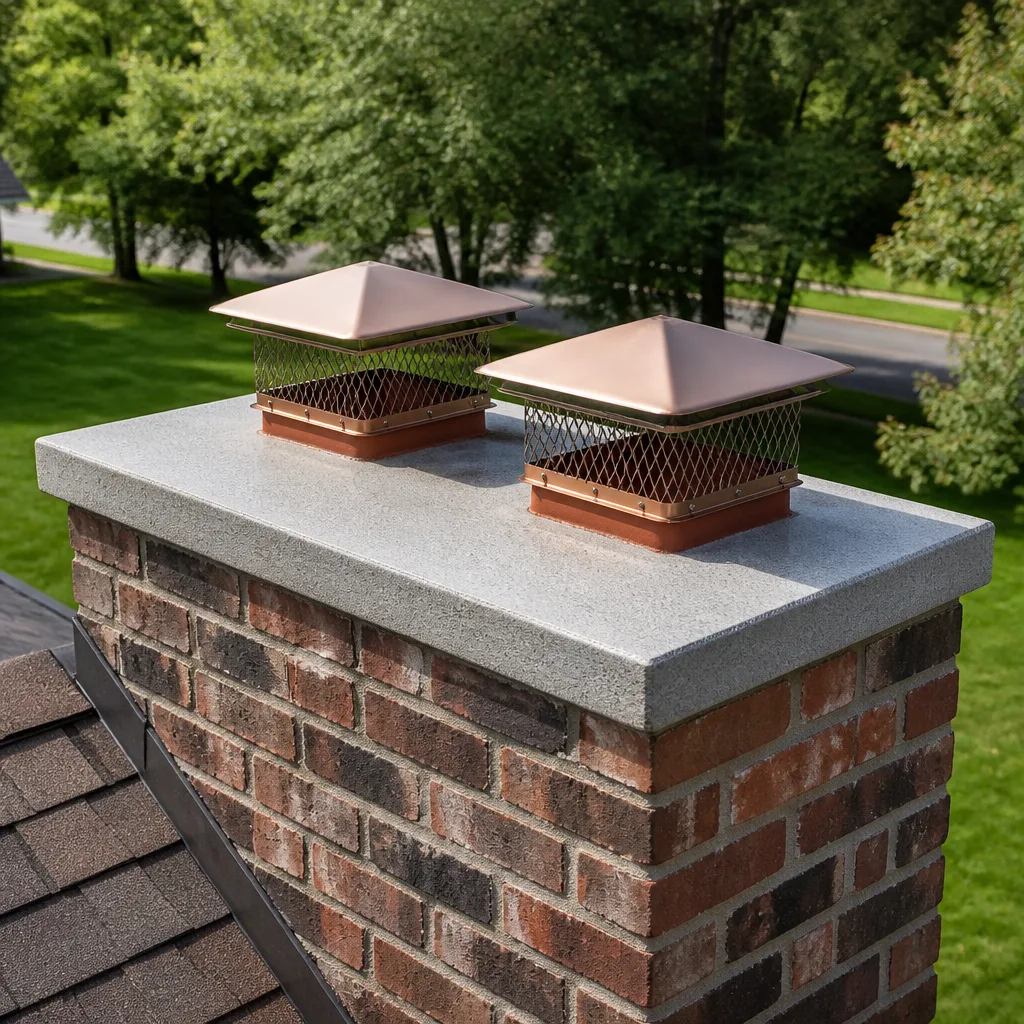 Caps & crowns
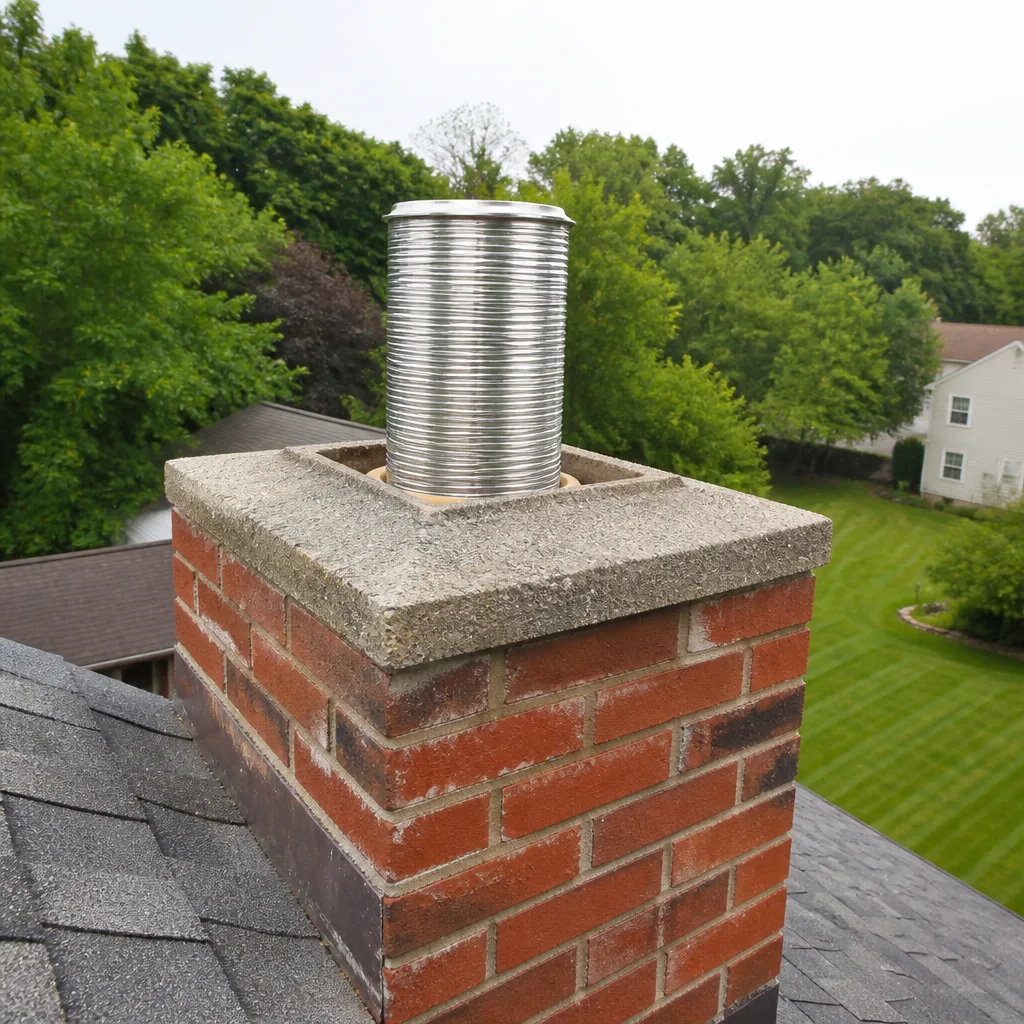 Flue relining
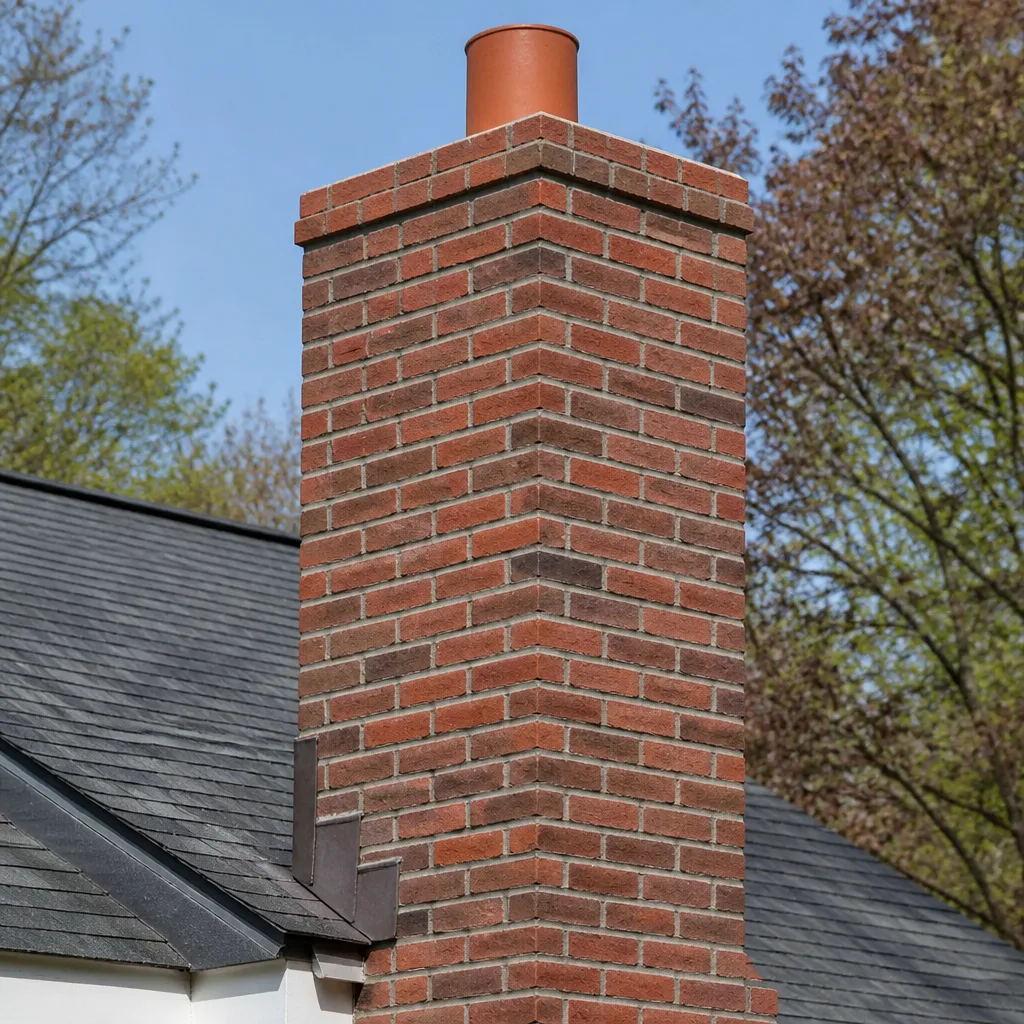 Masonry repair
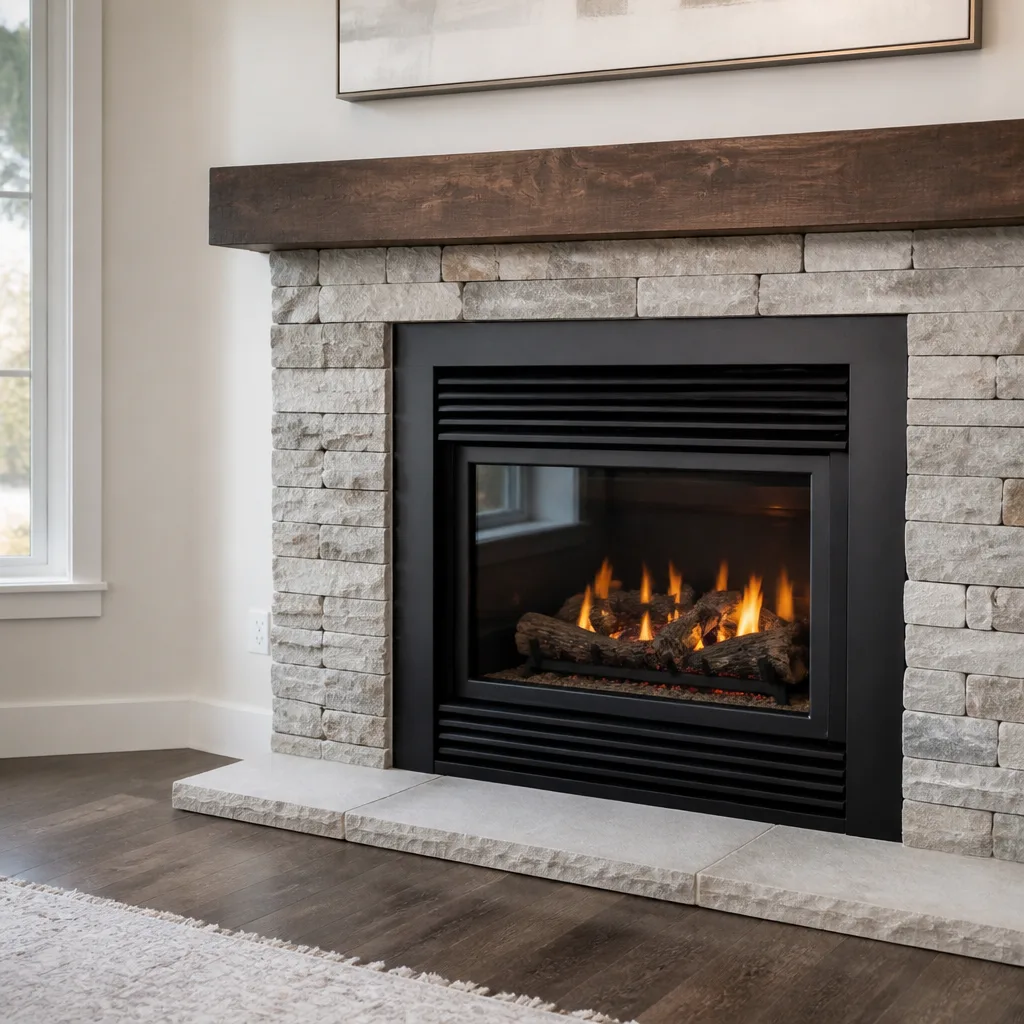 Gas fireplace service
Level 1 sweep and inspection to the NFPA 211 annual standard - flue, crown, cap, and flashing checked and photographed
Chimney sweep logs do not sweep chimneys. They loosen some creosote - which then falls where a brush and vacuum still have to collect it.
Chimney Cleaning Warning Signs: A Tallyn’s Reach Homeowner’s Reference Guide
Most chimney problems don’t announce themselves with a bang. They arrive as a faint smell you notice only some evenings, a bit of smoke that rolls into the room before it goes up, a rust stain on the firebox that you tell yourself is probably nothing. And that’s the trap. The signs that matter most are the quiet ones, and homeowners are very good at explaining them away for a season, then another season, until a cleaning issue has quietly become a structural one. This guide gives each symptom a plain-language cause and a clear action threshold, so you know what to watch, what to ignore, and what to fix now. We’re writing it from Tallyn’s Reach, where the fireplace gets real use and the dry air does its own quiet damage between burns.
Quick Answer
The main chimney cleaning warning signs are a strong smoke or creosote smell away from the fireplace, a glazed or flaky black coating visible inside the firebox and flue, smoke that won’t go up, and exterior clues like spalling brick, a cracked crown, rust streaks, or white mineral staining. Any of these means it’s time to stop burning until the chimney has been inspected and cleaned. Two red-flag signs require stopping immediately: a strong solvent or tar smell in the house, and cracked or displaced flue tiles seen during an inspection.
Styles & brands we work with
- Sweep & inspection
- Caps & crowns
- Flue relining
- Masonry repair
- Gas fireplace service
Table of Contents
- Smell-Based Warning Signs and What Each One Points To
- What the Firebox Tells You About Buildup
- Exterior Warning Signs: Brick, Crown, Rust, and Efflorescence
- Draft and Performance Problems Mapped to Their Causes
- Signs That Mean Stop Burning Now Versus Signs That Can Wait
- How Tallyn’s Reach Climate Shapes Chimney Wear
- How Often to Inspect and Clean in Tallyn’s Reach
- Common Mistakes to Avoid
Smell-Based Warning Signs and What Each One Points To
Your nose is often the first instrument to pick up a chimney problem, and the type of smell matters enormously. A strong smoke smell in a room that’s nowhere near the fireplace is not a draft quirk. Until proven otherwise, it’s a flue integrity problem. Smoke that travels out of the firebox and into living space is finding a path through a gap it shouldn’t have. That gap could be a joint in the flue, a failed seal at the top plate, or a hole in the liner itself. Each one means combustion gases are escaping where they should be vented outside.
Three distinct smells present in different ways:
- Burn-off smell (normal). Light, dusty, slightly metallic odor the first few fires of the season. It fades after a couple of burns. This is dust and light residue on the firebox surfaces burning away.
- Creosote odor. Sharp, bitter, sometimes tarlike or solvent-like smell, strongest on warm, humid days when the chimney isn’t drafting. This points to creosote accumulation inside the flue. A solvent or fuel-like smell is the most serious creosote signal and warrants stopping use until inspected.
- Moisture-decay smell. Damp, musty, sometimes earthy smell near the hearth and in the room below the chimney. This usually points to water finding its way past a bad cap, a cracked crown, or failing flashing at the roofline. The water itself is rarely visible at first, but the smell gives it away.
Treat a persistent solvent smell or any smoke smell in off-fireplace rooms as a stop-and-inspect signal. That’s the standard we hold to whenever we send a technician out on a chimney sweep visit in Tallyn’s Reach. If the smell is a fresh, dusty burn-off at the start of the season, you can comfortably wait for your next scheduled sweep.
What the Firebox Tells You About Buildup
You don’t need special tools to spot the most important warning signs from inside your firebox. You just need to know what you’re looking at. Creosote builds in three recognizable stages.
- Stage 1: Soot and light flake. Thin, dusty black coating that brushes off easily. This is normal-between-cleanings level. Schedule a sweep at your next regular window.
- Stage 2: Brittle crust. A thicker layer of flaky, curled black deposit you can break with a finger. Enough buildup that cleaning should move up on the calendar.
- Stage 3: Glazed tar. Hard, shiny, tar-like coating bonded to the flue tile. Glazed creosote ignites at a much lower temperature than a light flaky layer, and it doesn’t come off with a standard brush. This is the stage that warrants stopping use until the flue is professionally cleaned and inspected.
Other firebox signals worth noting:
- Flue tiles with visible cracks, gaps, or displacement. Cracks break the flue’s job of keeping hot gases and creosote off the surrounding framing. Stop burning and get an inspection to confirm.
- A heavy, glazed strip near the damper or at the top of the firebox. This often marks where draft was weakest and creosote deposited fastest.
- Rust on the damper or firebox surfaces. Interior rust is often the first visible hint of water intrusion rather than a fuel-burning issue.
- A cold hearth or masonry that feels soft or crumby when scraped. That’s advanced deterioration, not a cleaning issue, and it needs to be evaluated as structural before anything else.
If you see glazed creosote or cracked flue tiles, stop burning and call a professional. Creosote fires get hot enough to damage the flue and spread into the structure, and a standard brush can’t remove the glazed stage. This is where we move from cleaning into the repair side of the work, using liner systems like a DuraFlex flexible flue or resurfacing with HeatShield when the flue is sound enough to repair rather than replace. We inspect before we recommend, every time.
Exterior Warning Signs: Brick, Crown, Rust, and Efflorescence
Walk outside and look up at your chimney once per season, especially after freeze-thaw weather. The exterior tells a story most homeowners never read.
- Spalling brick. The face of a brick has flaked off or popped away, exposing a rough interior. This is what happens when water gets into the brick and the freeze-thaw cycle tears it apart. In Tallyn’s Reach, we get plenty of freeze-thaw cycles even in mild years, so this is one of the most common wear patterns we see.
- Cracked or crumbling crown. The concrete slab at the top of the chimney that sheds water away from the flue. When it cracks, water runs down beside the flue instead of away from it. A failing crown is the most common source of the interior water damage homeowners don’t realize is coming from above. Cap and crown work gets treated as a dedicated service for exactly this reason – it’s not an afterthought.
- Rust streaks. Dark vertical stains on the masonry or on the firebox surfaces usually mean water is contacting metal somewhere in the assembly. It could be a damper, a top-mount damper, or flashing. A rust streak is a strong signal that the cap and crown area needs an inspection.
- Efflorescence. The white, chalky, crystalline staining you sometimes see on brick faces. It forms when water travels through masonry and leaves behind mineral salts on the surface. It’s not decorative and it’s not salt in the air. Efflorescence marks an active moisture path that should be traced to its source, usually at the crown, cap, or flashing.
Exterior warning signs aren’t emergencies in themselves, but they compound. A cracked crown left through a couple of winters can turn minor efflorescence into spalled brick. When we install a chimney cap & crown, we use Gelco and Copperfield products spec’d for longevity rather than entry-level caps that need replacing in a few seasons. On a Chimney Sweep Tallyn’s Reach inspection visit, we photograph the crown and cap area as part of the report so you’re looking at the same things we are.
Draft and Performance Problems Mapped to Their Causes
If your fireplace has gotten harder to light, smokes when the fire starts, or won’t pull smoke up the flue without spilling into the room, it’s easy to blame the wood or the weather. Most of the time it’s a structural clue about something in the chimney system. Here’s how the common draft problems map to their likely causes.
- Smoke rolls into the room before it goes up. Most likely a partially blocked flue, a flue that’s too cold to establish draft, or a house pressure imbalance. In older homes, or when a high-volume kitchen exhaust fan runs nearby, the chimney can briefly lose the pressure balance it needs to pull smoke up. If the spill happens on every fire, though, get the flue inspected.
- Fire is slow to start. Slow-starting fires are often a cold-flue problem, but persistent slow lighting across the season is also a sign of restricted airflow. A partially blocked flue (creosote, a fallen tile, or a bird’s nest) can choke draft enough to make fires stubborn.
- Excessive smoke outside the house. Heavy, rolling smoke from the chimney top signals incomplete combustion. That usually means poor draft, wet wood, or an oversized flue relative to the appliance. Oversized flues are a common issue on old masonry chimneys, and one reason we sometimes recommend a properly sized liner rather than leaving the flue as-is.
- Backpuffing. Puffs of smoke pushed out of the firebox into the room when a gust hits the top of the chimney. Backpuffing is often a cap or pressure issue at the roof, sometimes made worse by an oversized or improperly seated cap.
If a draft problem appears suddenly on a fireplace that’s worked fine for years, that’s the more urgent pattern. Sudden draft changes often track back to a new obstruction or a structural shift, and they deserve an inspection before the next fire. Gradual draft loss over several seasons usually points to buildup.
Signs That Mean Stop Burning Now Versus Signs That Can Wait
One of the questions we get most often in Tallyn’s Reach is whether a warning sign is a “stop everything” problem or a “note it and schedule it” problem. Here’s the split we use.
Stop burning immediately and get inspected:
- A strong solvent, tar, or fuel smell in the house that doesn’t fade after a fire goes out.
- Visible cracks, gaps, or displaced pieces in the flue tiles (as seen during a prior inspection or with a camera).
- Smoke entering a room away from the fireplace during a fire.
- Flames or glowing visible outside the firebox or on the chimney chase.
- Carbon monoxide alarms going off in the home near a burning appliance.
- A sudden, dramatic change in how the fireplace burns (won’t light, won’t stop smoking, backpuffs on every fire).
Schedule but don’t panic:
- A dusty burn-off smell in the first week of the season.
- Visible soot and light flake creosote inside the firebox.
- Efflorescence or a small rust streak on the exterior.
- Slow-starting fires that still eventually draft fine.
- A visible crack in the crown concrete without visible water in the firebox.
- Standard-duration fires that burn fine but smoke a bit more than last year.
If you’re not sure which category a sign belongs to, err toward inspection. Our technicians have up to 12 years of experience reading the difference between a cosmetic clue and a structural one, and the cost of an inspection is always cheaper than the cost of a damaged flue. Call (888) 907-4785 to talk through what you’re seeing. We answer 24/7.
How Tallyn’s Reach Climate Shapes Chimney Wear
Tallyn’s Reach sits on the eastern edge of the Front Range, where the weather alternates between dry, blustery stretches and cycles of freeze-thaw that work masonry hard. Two things result that matter for chimney owners here.
First, the dry stretches. Low humidity pulls moisture out of the masonry itself, which sounds harmless but leaves the brick porous and more vulnerable when the wet season returns. Dry air also produces more visible efflorescence on chimneys that already have a water path, because the mineral deposits are left behind more readily when the moisture evaporates quickly. That’s a useful signal: if you’re seeing efflorescence in Tallyn’s Reach, the moisture source is usually at the crown, cap, or flashing and deserves a look before the next freeze.
Second, the freeze-thaw cycle. Water that gets into brick, or under a cracked crown, expands when it freezes. That expansion is what turns a hairline crack into a spall and a spall into a loose brick. Chimney crowns and cap fastenings take this beating every year, and the wear is cumulative. If the crown is cracked after one winter, it’s likely to be significantly worse after the next.
Third, indoor heating. Wood-burning fireplaces in Tallyn’s Reach get used hard in the coldest weeks of the season, and that’s when creosote accumulates fastest: cooler flue temperatures, damper-controlled burns, and slower draft all push deposit buildup. An early-season sweep, matched to your actual burning patterns, is the most reliable way to stay ahead of it. What we see across Tallyn’s Reach is a lot of chimneys with good bones and a few obvious wear points that could be addressed with cap and crown work, plus one or two interior issues that a camera inspection finds before anything fails.
How Often to Inspect and Clean in Tallyn’s Reach
The standard rule for a wood-burning fireplace is an annual inspection, with a sweep whenever the creosote layer reaches 1/8 inch or whenever you notice any warning sign from this guide. Most Tallyn’s Reach homeowners we work with fall into a clean-and-inspect rhythm once a year for an actively used fireplace, and a longer cycle for a fireplace that sees only occasional burns.
Here’s how we recommend breaking it down:
- Once annually: inspection of the full system, including the firebox, flue, damper, cap, crown, and any visible exterior masonry. This is the baseline for any wood-burning fireplace that sees regular use through the cold months.
- Once a cleaning is triggered: a sweep whenever buildup reaches the flaky stage, when you smell creosote between burns, or when draft performance drops. A camera inspection goes alongside, so you can see what we’re seeing.
- After any known event: a storm that took off shingles, a chimney fire (even a small one you think was contained), a moisture problem from a cracked crown, or an animal intrusion. All of these justify an inspection even if the calendar says next one isn’t due yet.
- Gas fireplaces: annually, focused on the venting and the appliance rather than creosote. Gas logs still produce moisture and can harbor debris; the firebox and vent should still be inspected each year.
If you’ve moved into a Tallyn’s Reach home with an existing fireplace and no service history, the first inspection should happen before you burn a fire. You don’t know what the last owner did or skipped. A camera inspection settles it.
Common Mistakes to Avoid
- Burning wet or unseasoned wood. Wet wood burns cool, which means more creosote deposits per cord. It’s one of the biggest causes of rapid buildup in this climate, since the dry air makes the wood look ready when it isn’t.
- Treating a solvent smell as normal. A heavy tar or solvent smell in the house is the most serious creosote sign and should stop burning, not be explained away as the last fire’s smell.
- Assuming a closed damper is fine because you don’t use the fireplace in summer. A closed damper doesn’t stop moisture or animals. Chimney caps exist for a reason, and skipping that inspection through the shoulder season is how birds’ nests and water intrusion get set up.
- Waiting for visible smoke damage before cleaning. The dangerous stage of creosote is often invisible from inside the firebox. A flaky deposit you can’t easily reach is still a deposit, and glazed creosote doesn’t look dramatic until it’s burning.
- Painting over efflorescence. Efflorescence is a moisture signal, not a cosmetic issue. Covering it hides the clue but doesn’t stop the water, and the underlying masonry continues to deteriorate.
- Using an unrated cap or a rigged flashing repair. Cheap caps that rust through in a few seasons, or flashing patched with the wrong sealant, will leak again. We install Gelco and Famco caps and ventilation products because they’re spec’d to hold up, not to be replaced next year.
- Calling only the sweep and separately the mason next season. Splitting the inspection and the repair between companies makes it easy for a problem to fall between them. A full-system inspection and repair under one roof is a much cleaner way to keep track of what’s been fixed and what’s still open.
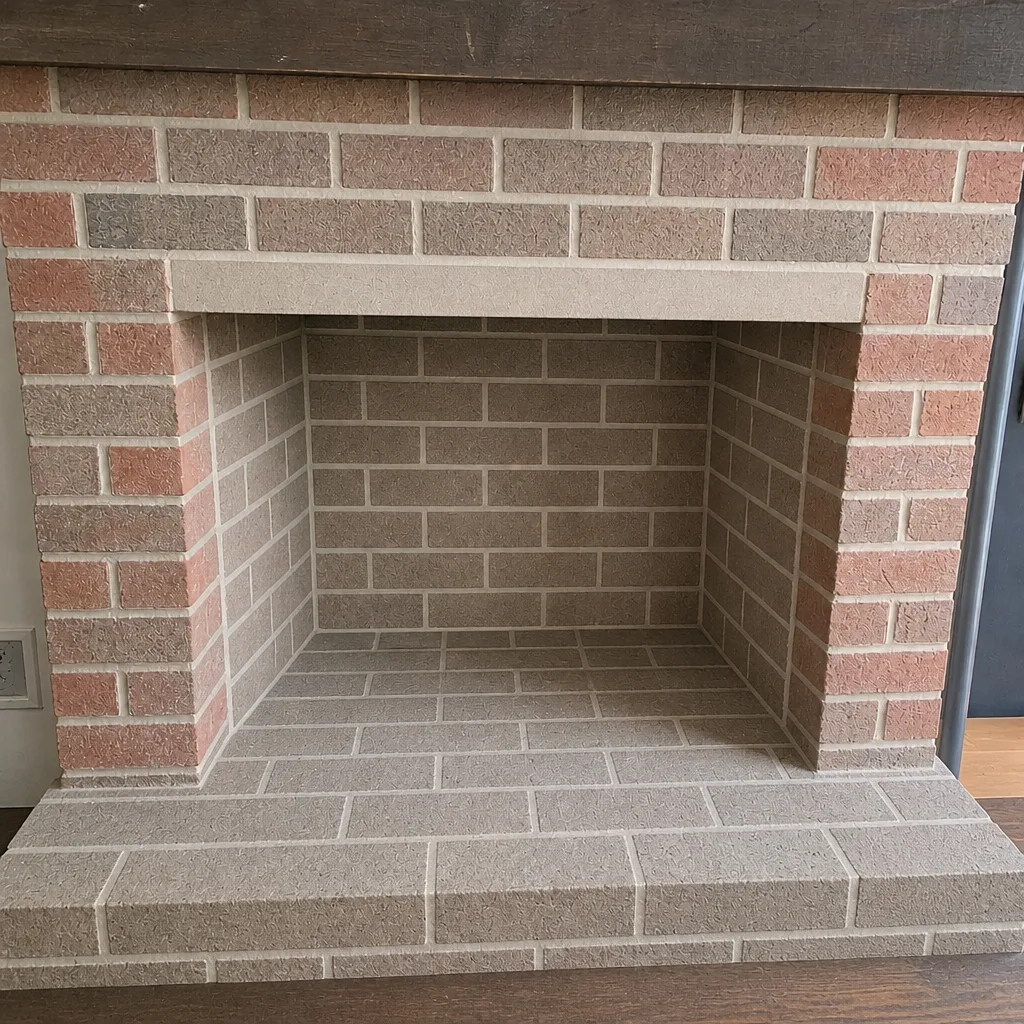
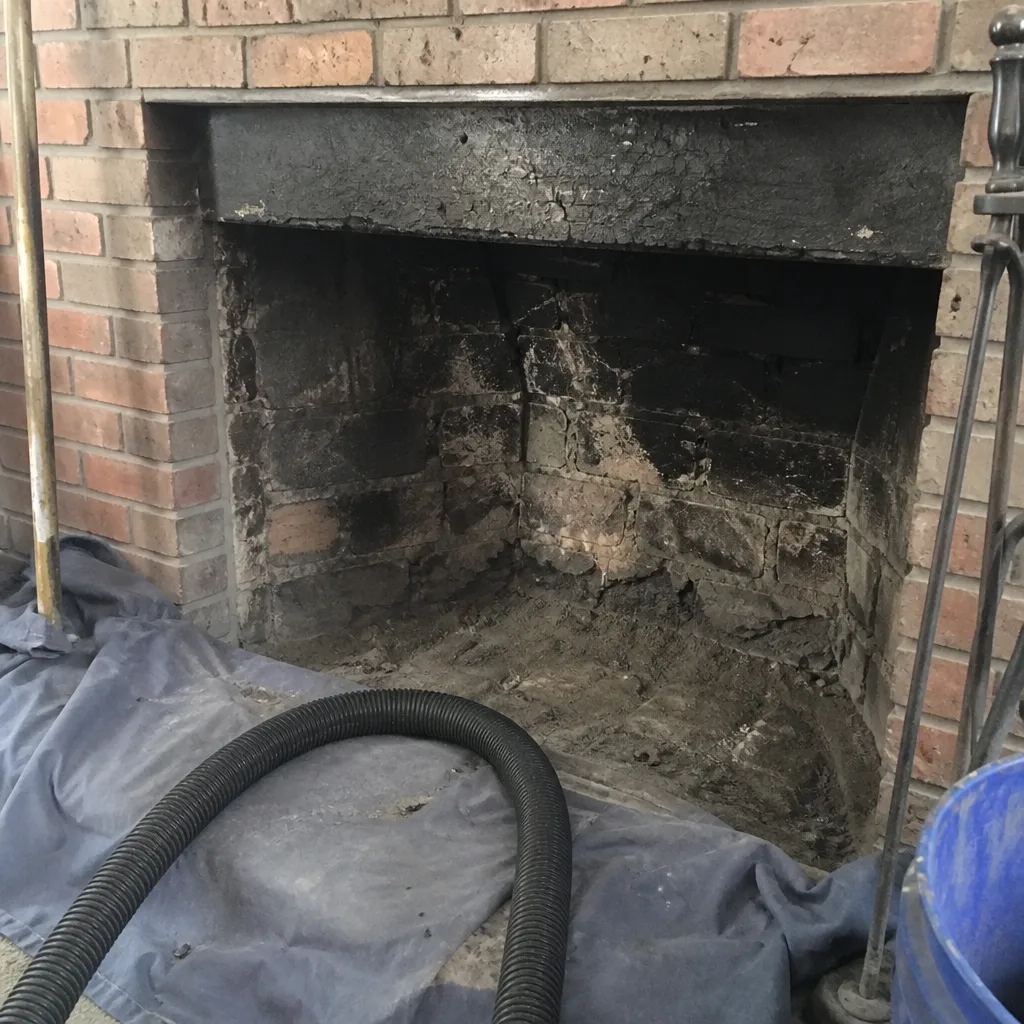
See the difference
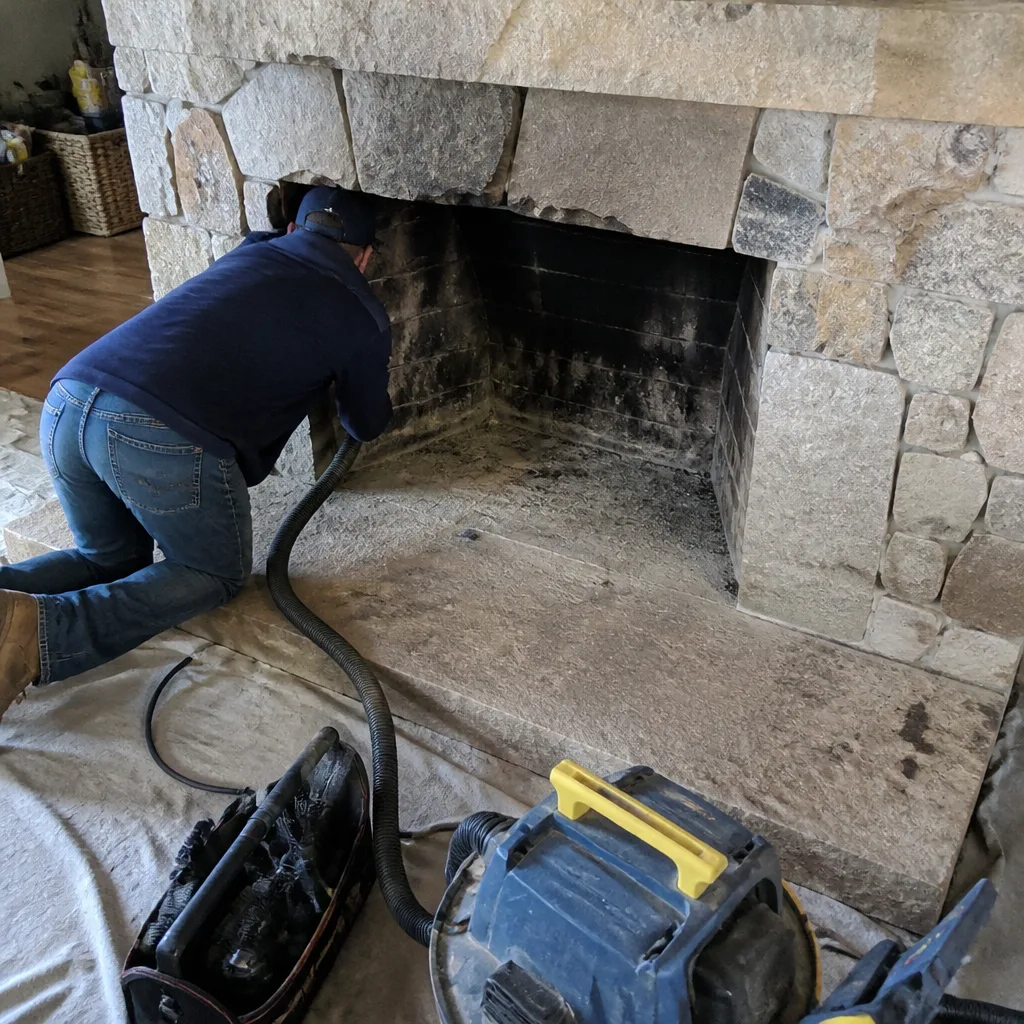 Before
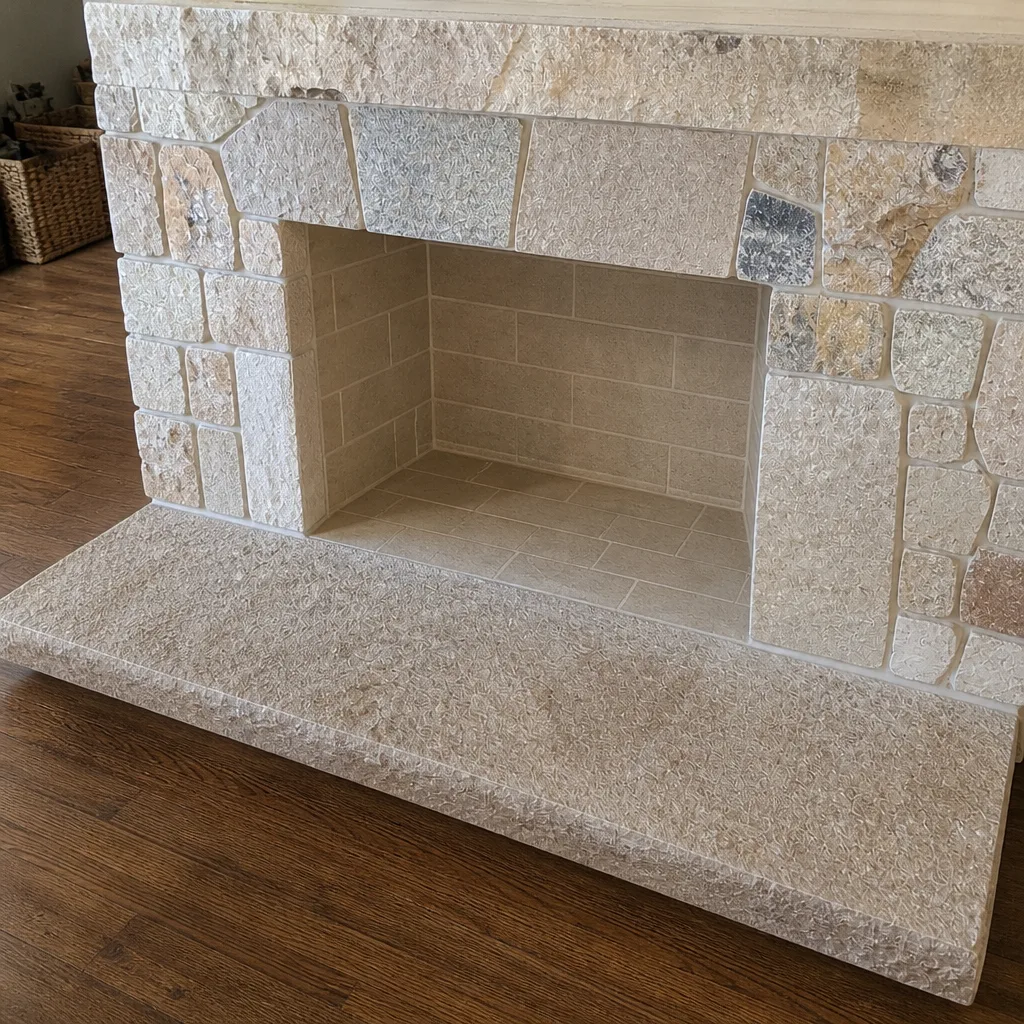 After
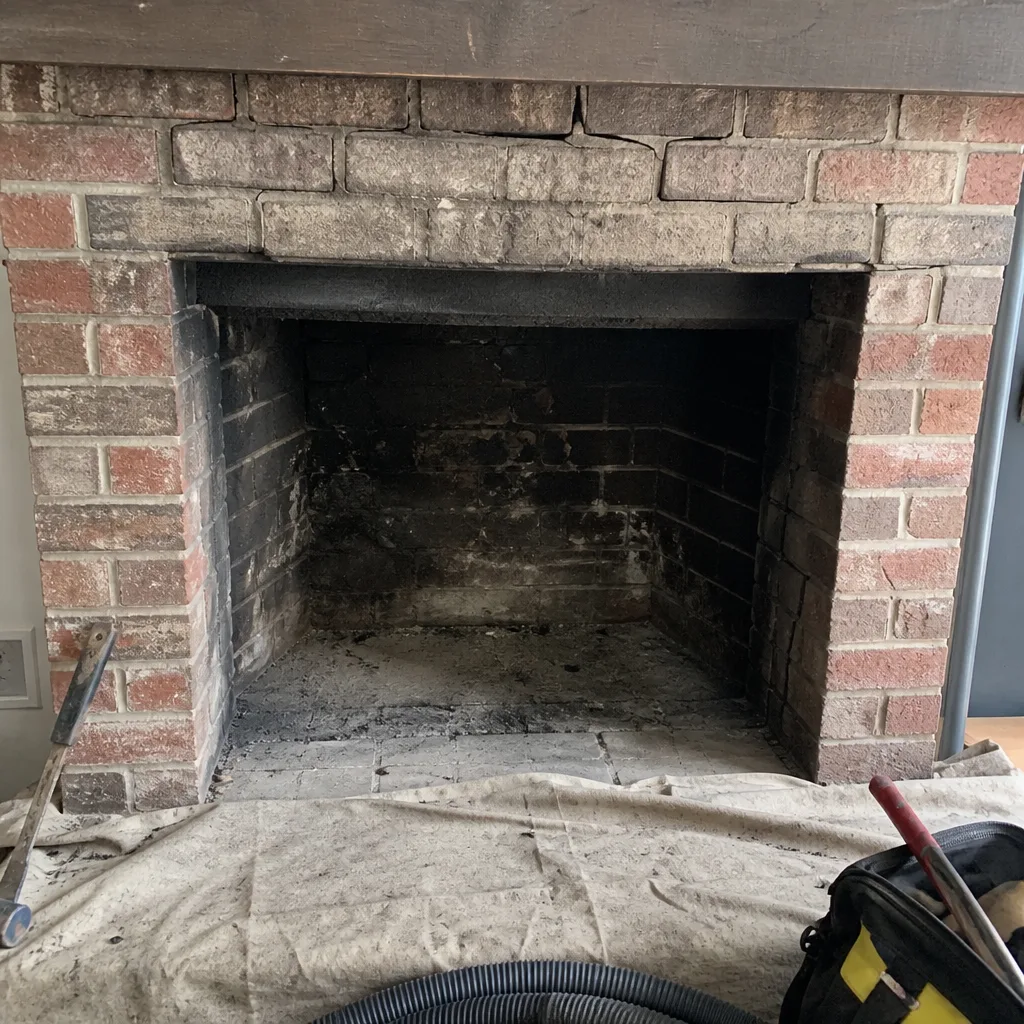 Before
 After
 Before
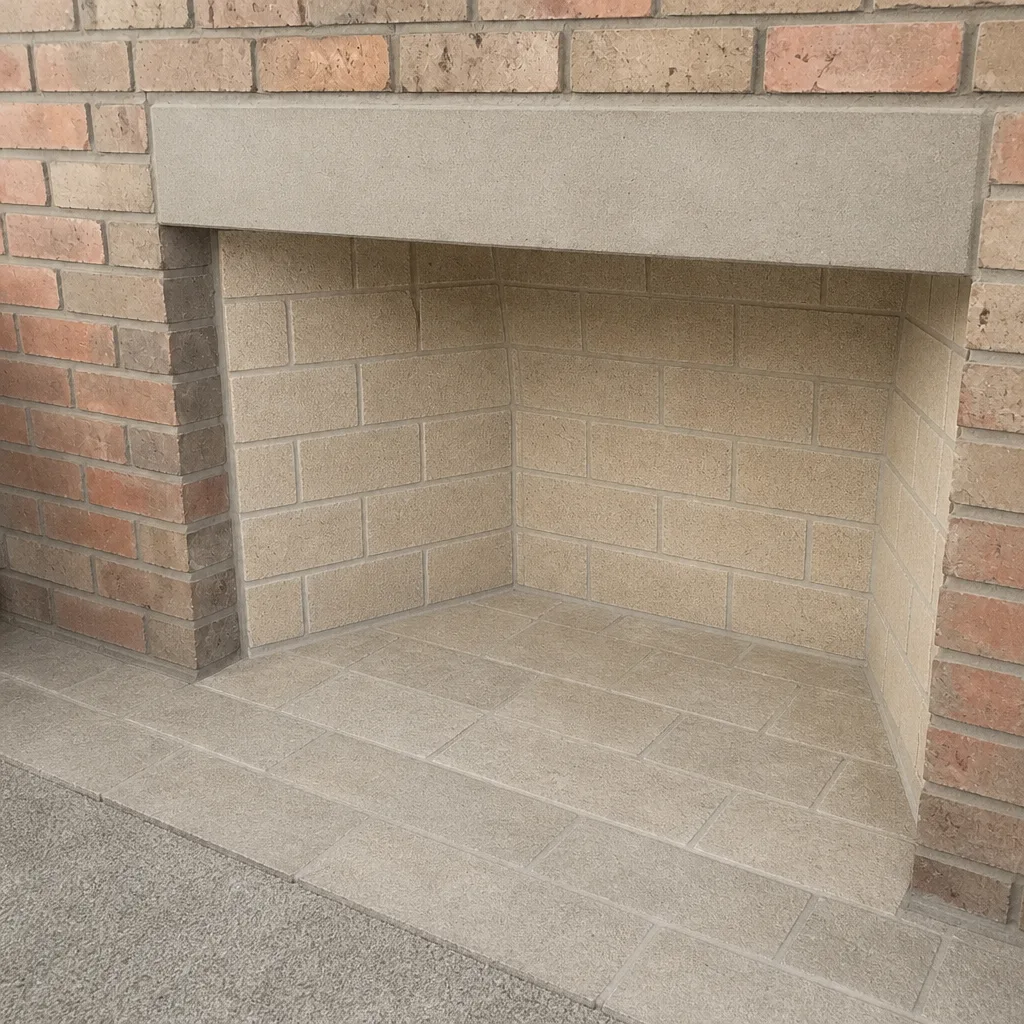 After
When to Call a Professional
Call a professional if you smell solvent or tar in the house near the chimney, if you see smoke entering a room away from the fireplace, if you’ve seen cracked or displaced flue tiles, if you notice spalling brick or a cracked crown, if your fires have suddenly gotten harder to start, or if you’ve never had your fireplace inspected and you don’t know its service history. Also call after a chimney fire, after storm damage, or after an animal intrusion in the flue. None of these are things to wait on, and any of them justifies stopping use until an inspection is done.
Chimney Sweep Tallyn’s Reach offers free estimates in Tallyn’s Reach – call (888) 907-4785. We answer 24/7. Fast dispatch from 7am to 7pm. We inspect before we recommend, and every repair we suggest comes with camera evidence you can look at yourself.
Frequently Asked Questions
The most common warning sign is a visible creosote layer inside the firebox that’s reached the flaky stage, or a smell of creosote between burns. That stage usually means it’s time for a sweep. Call (888) 907-4785 to book a cleaning and camera inspection.
Yes, treat it as a problem until proven otherwise. Smoke in a room away from the fireplace usually means combustion gases are escaping through a gap in the flue or at a seal. That’s a reason to stop burning and get inspected, not a reason to open a window. Call (888) 907-4785 for an inspection.
Once a year for an actively used wood-burning fireplace, plus a sweep whenever buildup reaches 1/8 inch or a warning sign shows up. Gas fireplaces should be inspected annually as well. Our technicians have up to 12 years of experience and can tell you what your specific fireplace needs. Call (888) 907-4785.
Burn-off smell is light, dusty, and fades after a few fires. Creosote smell is sharp, bitter, often tarlike or solvent-like, and tends to be strongest on warm, humid days. A solvent smell is a stop-and-inspect signal. Call (888) 907-4785 to talk through what you’re noticing.
You can brush the firebox surface yourself, but a proper inspection requires a camera and a trained eye to look for cracked tiles, gaps, and glazed creosote. Those are the things that actually matter. For a real inspection and any liner work, call a professional at (888) 907-4785.
Efflorescence is the white chalky stain left when water moves through masonry and deposits mineral salts on the surface. It means water has a path through the chimney, usually at the crown, cap, or flashing. It’s not dirt and not salt air. Call (888) 907-4785 to trace the source.
Not always. A cracked flue tile can sometimes be resurfaced with HeatShield rather than replaced with a full DuraFlex flexible liner, depending on the extent of the damage. That’s exactly why we inspect before we recommend. Call (888) 907-4785 to book a camera inspection and get an answer based on what your flue actually needs.
The small stuff compounds. A flaky creosote layer becomes a glazed one, a small crown crack becomes spalled brick, and a minor draft problem becomes smoke in the room. Skipping a season is sometimes manageable; skipping two usually isn’t. Call (888) 907-4785 if you’re unsure which stage you’re at.
The Bottom Line
Chimney cleaning warning signs are mostly quiet, and the biggest risk is talk yourself out of what your nose, your eyes, and your draft performance are telling you. A solvent smell, smoke in the wrong room, cracked flue tiles, or a sudden draft failure are all stop-and-inspect signals. A light burn-off smell, flaky soot, efflorescence, or a small crown crack are schedule-but-don’t-panic signals. In Tallyn’s Reach, the dry and freeze-thaw cycle makes both categories worth taking seriously. Inspect annually, act early, and don’t let a cleaning problem age into a structural one.
Ready to get your chimney checked? Call (888) 907-4785 for a free estimate. We answer 24/7. Fast dispatch from 7am to 7pm. Chimney Sweep Tallyn’s Reach covers inspection, cleaning, chimney repair, fireplace repair, and cap and crown work as one full-system service, with products from professional chimney-trade brands including DuraFlex, HeatShield, Gelco, Olympia Chimney, Famco, and Copperfield. Call today and let’s get your system sorted before the next season’s burns.
Written by the team at Chimney Sweep Tallyn’s Reach.