
Last updated November 23, 2026
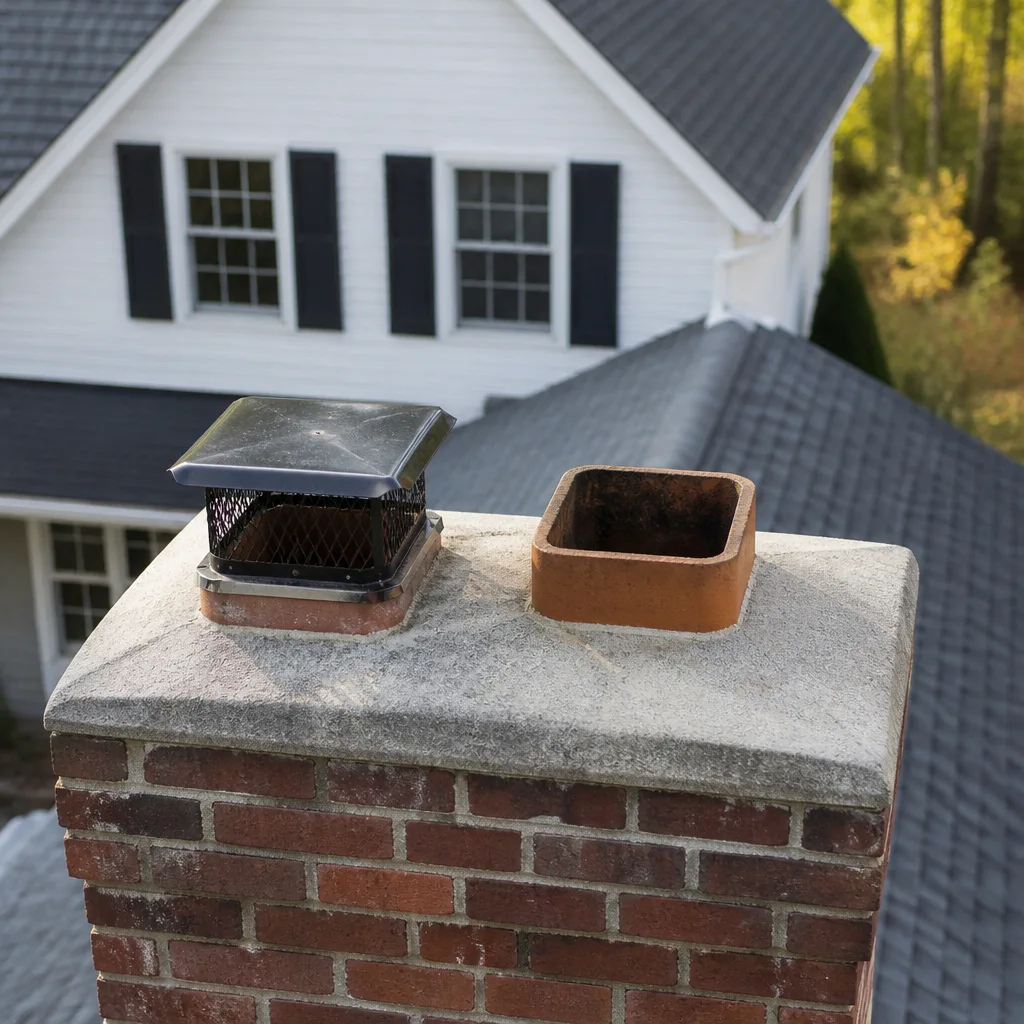 Sweep & inspection
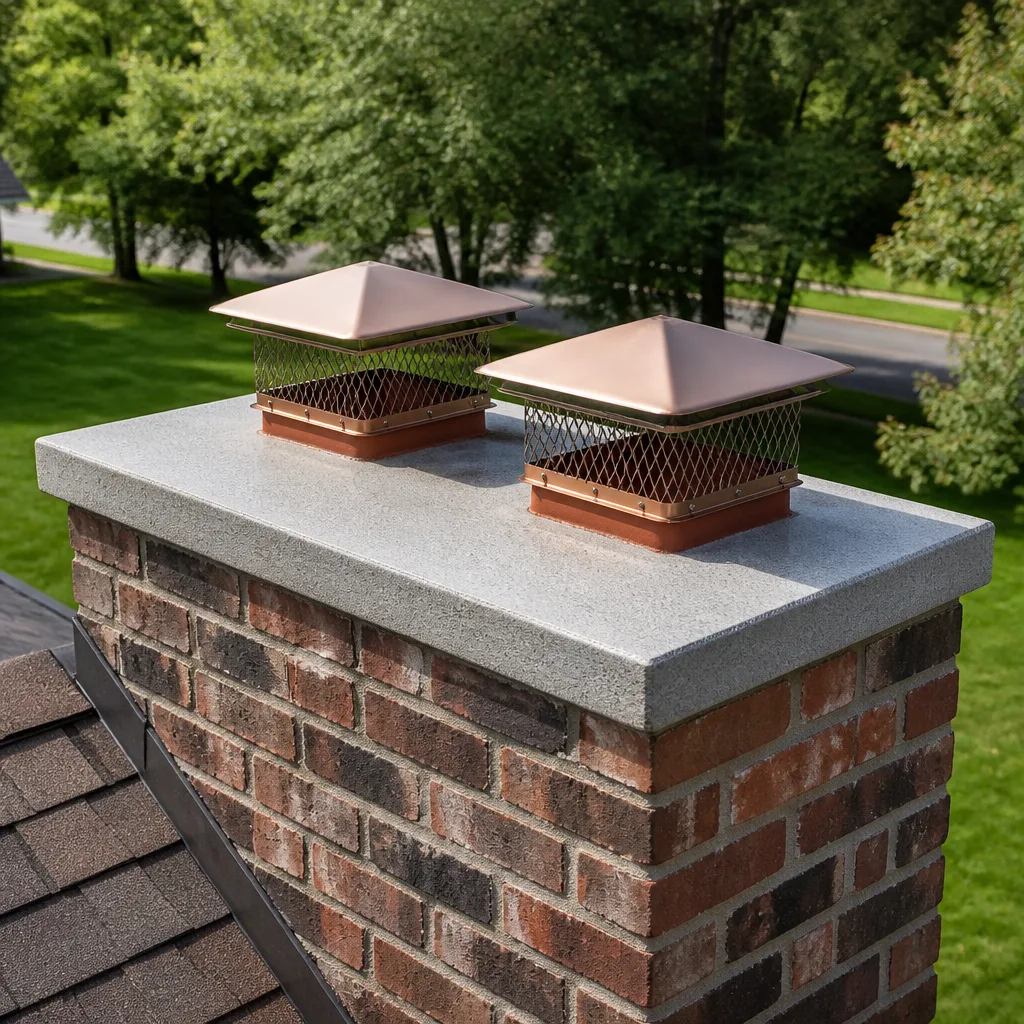 Caps & crowns
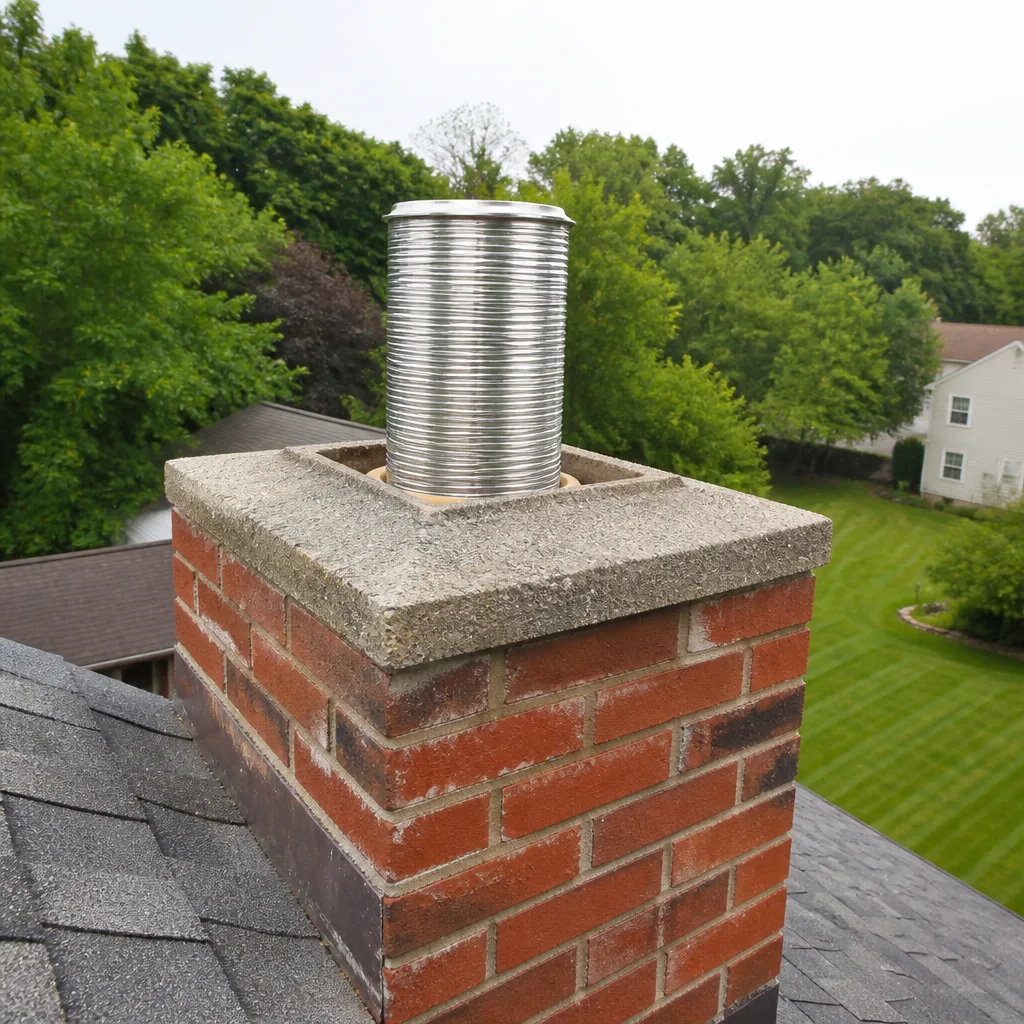 Flue relining
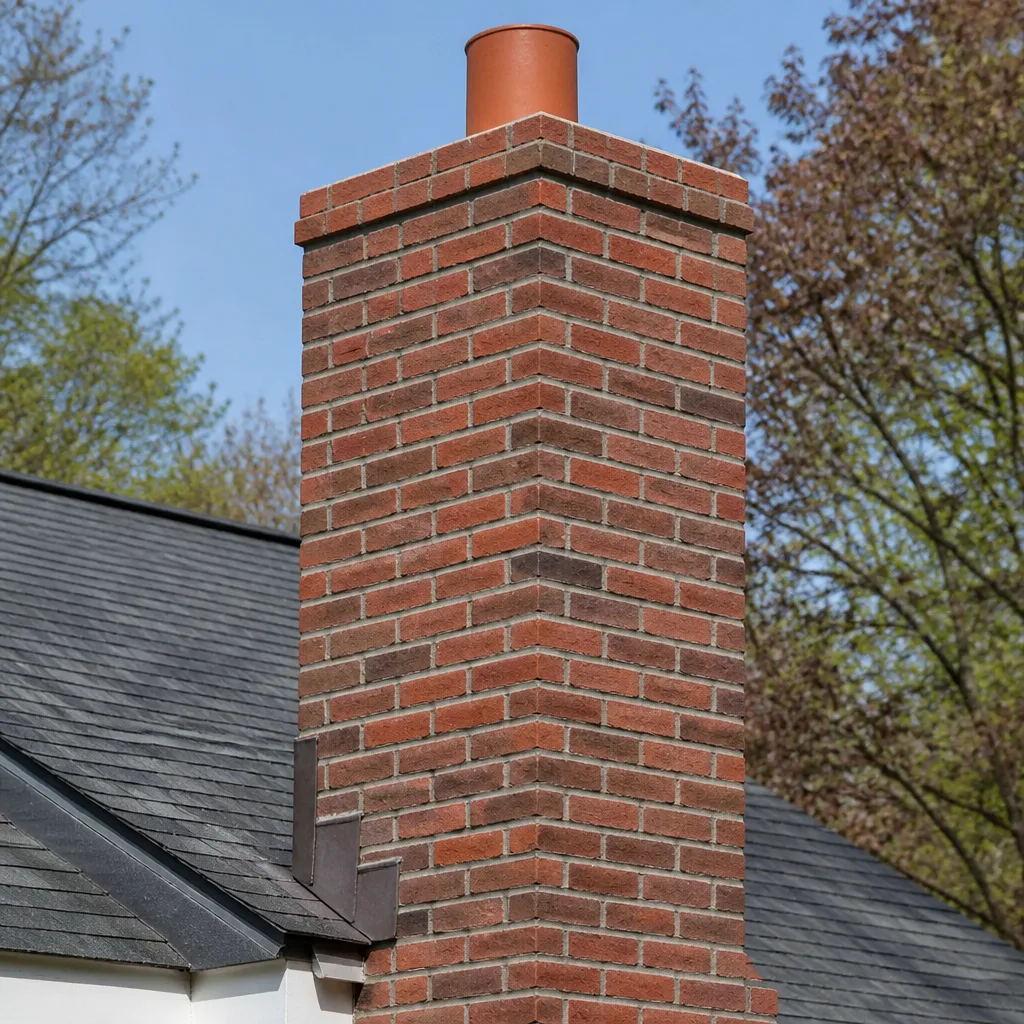 Masonry repair
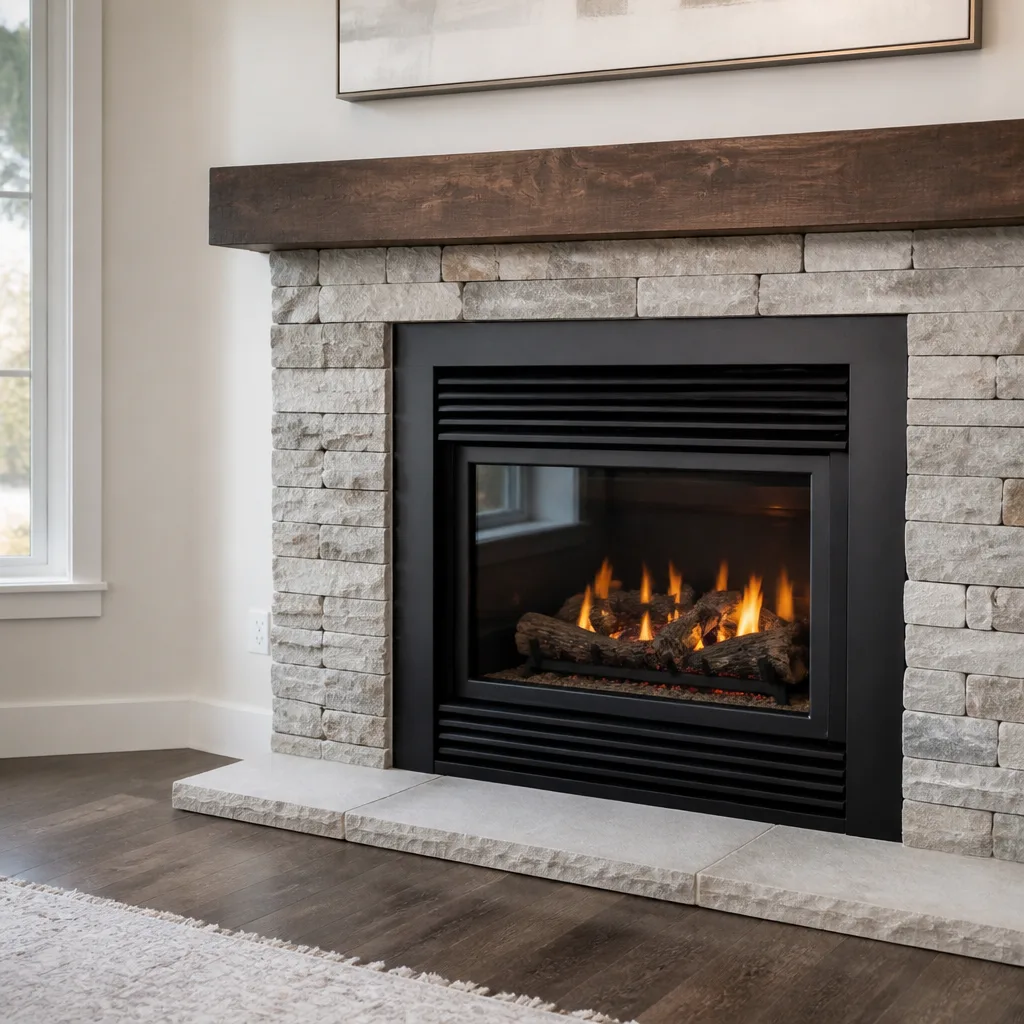 Gas fireplace service
Level 1 sweep and inspection to the NFPA 211 annual standard - flue, crown, cap, and flashing checked and photographed
Chimney sweep logs do not sweep chimneys. They loosen some creosote - which then falls where a brush and vacuum still have to collect it.
The Complete Guide to Chimney Cleaning in Tallyn’s Reach
Most chimney fires don’t happen because a homeowner skipped cleaning. They happen because the cleaning stopped short of where the creosote actually accumulated. A sweep brushes the flue and calls it done; the deposit that ignites sits higher, or in the smoke chamber, or behind a warped cap where nobody looked. In Tallyn’s Reach, where wood burning is common and the burn season runs long, that gap between a surface clean and a full-system evaluation is exactly where surprises start. This guide maps the entire sequence – firebox to cap – so you know what a thorough cleaning actually involves before anyone shows up at your door.
Quick Answer
A complete chimney cleaning in Tallyn’s Reach is a full-system evaluation, not a single brush pass. It covers the firebox, smoke chamber, flue liner, and cap, and it includes a documented inspection that tells you the condition of every component. The cleaning removes creosote and soot; the inspection report tells you what the cleaning alone can’t show, including whether the liner is failing or the crown has begun to crack.
Styles & brands we work with
- Sweep & inspection
- Caps & crowns
- Flue relining
- Masonry repair
- Gas fireplace service
Table of Contents
- Level 1, 2, and 3 Inspections Explained
- How the Front Range and Altitude Affect Creosote
- What a Full-System Sweep Actually Covers
- Why the Inspection Report Outlasts the Cleaning Receipt
- Red Flags That a Cleaning Was Left Incomplete
- How Often Should a Tallyn’s Reach Chimney Be Cleaned?
- What a Chimney Cleaning Costs in Tallyn’s Reach
- What You Can and Can’t Check Yourself
Level 1, 2, and 3 Inspections Explained
The scope of a chimney inspection is not a matter of how careful your chimney sweep feels that day. It’s defined by a three-level standard used across the chimney trade, and each level answers a different question. Knowing which level your situation calls for is the single best protection against being quoted for work you don’t need, or missing work you do.
Level 1 Inspection
A Level 1 inspection is the baseline, performed without specialized tools. The technician checks all readily accessible portions of the chimney, the firebox, and the flue, along with the appliance connection and any visible parts of the venting. In Tallyn’s Reach, a Level 1 applies when the home hasn’t changed, the chimney is used as it was designed, and there’s no known problem. If you’ve burned in the same fireplace every season and nothing feels different, this is the level that usually applies.
Level 2 Inspection
A Level 2 inspection goes further. It includes everything in a Level 1 plus a video camera scan of the flue’s interior, giving the technician a clear view of the liner walls, joints, and any hidden offsets. This is the level that applies to most chimney cleaning visits in Tallyn’s Reach, because it answers the question homeowners actually care about: is the inside of my flue safe? A Level 2 is also what the trade standard calls for when a home has changed hands, when the fuel type or appliance has changed, or after an event like a chimney fire or a seismic concern.
Level 3 Inspection
A Level 3 inspection is the deepest and is performed only when a serious problem is suspected in a concealed area – inside a chase or behind masonry. It may require removing parts of the chimney structure to access hidden sections. A Level 3 is uncommon, but it’s the level that gets called for when a camera scan reveals something that can’t be diagnosed from the flue interior alone.
Matching the Level to Your Home
The practical takeaway for Tallyn’s Reach homeowners: a camera scan is the difference between guessing and knowing. Any inspection that stops at a flashlight look up the flue from the firebox is telling you less than it could. We inspect before we recommend – every time, and the inspection level is part of the quote, not an add-on after the fact.
How the Front Range and Altitude Affect Creosote
Tallyn’s Reach sits at elevation along the Front Range, and that elevation changes how a wood fire behaves. At higher altitude there’s less oxygen in the air per breath of a fire, so wood burns less efficiently unless the firebox is drafting well and the wood is genuinely dry. Cooler, less efficient fires produce more smoke, and more smoke means more creosote deposited on the flue walls. The same cord of firewood that burns cleanly in a lowland fireplace can leave a heavier glaze up high.
Dry Climate, Dry Wood
The Front Range’s low humidity is a help and a hazard. It’s a help because firewood cures faster here than in a humid climate. It’s a hazard because the dry air pulls moisture out of masonry, and repeated cycles of wetting and drying – driven by our sudden spring snows and summer thunderstorms – stress the chimney crown and cap. Those are the two components that keep water out of the flue, and when they fail, the liner deteriorates from the inside. This is why chimney cap & crown work is a dedicated service here, not an afterthought tacked onto a sweep. Water intrusion is the most common cause of structural chimney deterioration in this region, and the cap and crown are the first line of defense.
What the Front Range Climate Means for Your Cleaning
- Wood burns less efficiently at elevation, so creosote can accumulate faster than the burn volume alone would suggest.
- Longer burn seasons in cooler months concentrate deposits during a short window, then leave them sitting until the next cleaning.
- Freeze-thaw cycles at this elevation stress masonry and the crown, which can open pathways for water.
- The dry air cures firewood quickly – but wood that’s stacked and covered too late can still hold moisture that produces smoky, creosote-heavy fires.
None of this means a Tallyn’s Reach chimney needs cleaning every month. It means the timing and thoroughness of the cleaning matter more here than in a milder, lower-elevation climate. An annual evaluation is the reasonable baseline.
What a Full-System Sweep Actually Covers
A surface-only clean stops where the flue is easiest to reach. A full-system sweep starts at the firebox and works up to the top of the cap, checking and cleaning every component along the way. These are the four zones a complete cleaning addresses, in order.
- Firebox and firebox floor. Soot and ash are removed, and the firebox walls and fireback are checked for cracks that could let heat or gases escape. The damper is inspected and tested for proper operation.
- Smoke chamber. The smoke chamber is the sloped area above the damper that funnels smoke into the flue. Its corbelled walls catch creosote and soot in ways a straight flue brush can’t reach, and it’s a common place for deposits to hide. A thorough sweep includes the smoke chamber, not just the flue above it.
- Flue and liner. The flue is brushed, and a video camera scan confirms the liner’s condition – the joints, the wall thickness, any gaps or deterioration. This is where a DuraFlex flexible liner system is evaluated if the home already has one, and where a HeatShield liner resurfacing approach is considered if the liner damage is repairable without full replacement.
- Cap and crown. The cap is checked for damage and proper sizing, and the crown is inspected for cracks. Both are cleaned and, if needed, repaired. A cap that’s undersized or rusted through lets water and wildlife into the flue.
The point of framing the job this way is simple: creosote doesn’t stay in one place, and neither should a cleaning. When a sweep only brushes the flue and skips the smoke chamber or the crown, the homeowner gets a receipt for a partial job. The firebox-to-cap sequence is what a full-system specialist does, and it’s the same sequence that produces a trustworthy inspection report. Single-source accountability matters here: the company that inspects should be the one that repairs, using consistent materials and documentation, so you’re not handed off to a second contractor who re-diagnoses everything from scratch.
Why the Inspection Report Outlasts the Cleaning Receipt
A cleaning receipt proves a visit happened. An inspection report proves what was found – and it’s the document that actually protects you. When a chimney fire or a carbon monoxide concern later raises questions, the report is your record of the system’s condition on the day it was evaluated. A receipt with a date on it answers almost nothing.
What a Useful Inspection Report Should Document
- Which inspection level was performed and why.
- The condition of the firebox, damper, smoke chamber, flue liner, cap, and crown.
- Whether a camera scan of the flue was done, and what it showed.
- Any accessible areas that could not be inspected, and why.
- Photographic evidence of any problem found, so you can see it yourself.
- Clear distinction between what needs attention now and what can wait.
- Recommended next step, with the reason behind it.
The last two points matter most. A report that recommends liner replacement without a photo of the failed section isn’t documentation; it’s a sales pitch. The standard we hold ourselves to is that nothing is recommended without visual evidence the homeowner can review. If the liner is sound and the cap is intact, the report should say so plainly, and if the problem can safely wait until a future season, say that too. That’s the difference between an inspection and an estimate.
Red Flags That a Cleaning Was Left Incomplete
Chimney cleaning is a service that leaves almost no visible trace when it’s done well, which makes an incomplete job hard to spot from the outside. These are the signs to look for after the fact, some of them immediately.
Signs After the Visit
- No photo documentation of the flue interior, the cap, or the smoke chamber. A proper full-system cleaning should produce visuals of the areas it reached.
- A report that lists the flue as “clean” but says nothing about the smoke chamber, the crown, or the cap. Those are the areas most often skipped.
- Soot or debris left on the hearth or behind the damper that a drop cloth should have caught.
- A recommendation for liner replacement or repair with no photo or camera evidence attached.
Signs During the Visit
- The technician doesn’t ask which inspection level applies or why the cleaning was requested.
- No protective equipment is used at the firebox.
- The job finishes in a few minutes with no camera scan and no cap inspection.
In our experience, the most telling red flag is the one that arrives before the visit: an estimate given over the phone without anyone ever looking at the system. You can’t scope a chimney cleaning from a description. The quote should follow the inspection, not the other way around.
How Often Should a Tallyn’s Reach Chimney Be Cleaned?
Once a year is the standard baseline for a wood-burning chimney that’s used regularly, and it’s the sensible place to start in Tallyn’s Reach. That annual rhythm fits the local climate: cleaning in the shoulder season, before the burn season begins, gets the flue back to a known state before deposits start accumulating again. It also gives any recommended repair time to happen before the first cold snap.
When the Annual Schedule Doesn’t Fit
The once-a-year default flexes in a few common situations, all of them tied to how the chimney actually gets used:
- Heavy use. If the fireplace is the primary heat source and it runs most evenings through the cold months, deposits build faster and the flue may need attention sooner than a year.
- Smoky fires. Persistent smoke in the room, or a fire that’s hard to start and smolders, signals a draft or burn problem that produces creosote quickly. That’s a call for an evaluation, not just a sweep.
- New to the home. A home in Tallyn’s Reach that’s new to you should get a Level 2 inspection with a camera scan before the first season. The prior owner’s burn habits are unknown, and so is the liner’s condition.
- After any chimney event. If there’s been a chimney fire, even a small one, or a concern about carbon monoxide, the chimney should be evaluated before it’s used again.
Each of these is a reason to evaluate the system, not necessarily to clean it. The inspection tells you which one you’re dealing with. That’s the whole point of starting with the evaluation rather than the brush.
What a Chimney Cleaning Costs in Tallyn’s Reach
Chimney cleaning pricing isn’t something we quote over the phone, because the right scope depends on the inspection. What we can say is that every estimate is free and the price is set per job by a written estimate you get after the system has been looked at. There are no service-call or diagnostic fees, and nothing gets added to the bill later. The written estimate is the final word on the price.
What Drives the Estimate
- The inspection level performed – Level 1, 2, or 3 – since a camera scan and deeper evaluation take longer than a visual check.
- The condition of the flue – heavy creosote glaze takes more work to clear than light soot.
- Whether the cap and crown need cleaning or repair.
- Whether a repair path is needed, like HeatShield liner resurfacing versus a DuraFlex flexible liner installation, or whether no repair is needed at all.
- Access to the chimney, since the layout and roofline affect how the job is run.
We inspect before we recommend, and the estimate is built around what the inspection actually finds. If the system is in good shape, the estimate reflects a cleaning and nothing more. If the smoke chamber hasn’t been cleared in years, or the crown is cracked, you’ll see the evidence before you see a number, and you’ll decide what happens next.
What You Can and Can’t Check Yourself
There’s a useful line between what a homeowner can reasonably check and what needs a trained professional. Staying on the right side of that line is part of keeping the chimney safe between cleanings, and it matters most with the parts of the system that aren’t visible from the firebox.
What You Can Check on Your Own
- Whether smoke drifts into the room instead of up the flue.
- Whether the damper opens and closes smoothly.
- Whether the cap looks damaged, missing, or blocked by debris from the outside.
- Whether the firebox shows visible cracks or crumbling mortar.
- Whether the wood you’re burning is genuinely dry – seasoned wood looks split and lighter in weight.
What Needs a Professional
The inside of the flue, the smoke chamber, and the crown can’t be judged from the firebox with a flashlight. A camera scan is how liner condition gets assessed – and the flue is where the creosote sits, which makes it the area that matters most. There’s also a genuine safety concern: the components inside a chimney that have failed can release carbon monoxide into the home, and a trained professional has the equipment to evaluate them and the duty of care to flag anything that shouldn’t wait. A chimney system isn’t a safe DIY inspection target, and a soot-covered flue interior isn’t something to judge by eye. We recommend a professional evaluation, and we’ll say plainly when the system is fine.
Common Mistakes to Avoid
- Treating the cleaning as the whole job. The brush clears the flue, but the inspection report tells you whether the liner, cap, and crown are sound. Skipping the evaluation because “it was just cleaned” leaves the real questions unanswered.
- Going a year or two too long between cleanings. In Tallyn’s Reach, the elevation and cooler burn season concentrate creosote, and a flue that was “fine last year” can accumulate a significant layer in one heavy season.
- Accepting a phone estimate for chimney work. Anyone quoting a liner or masonry repair without having inspected the system is guessing. The estimate should follow the inspection, and the inspection should include photos.
- Overlooking the smoke chamber. It’s the section most often skipped in a surface-only clean, and it’s one of the places creosote collects. A flue brush that goes straight up the flue misses it.
- Ignoring the cap and crown. In this climate, a cracked crown or a damaged cap lets water into the flue, which is where most structural chimney problems begin. Cap and crown work is a service on its own, not a detail to skip.
- Burning unseasoned wood and expecting a clean flue. Wet wood produces smoke, and smoke deposits creosote. The cleaning removes the deposit; the wood choice determines how fast it comes back.
- Assuming a chimney fire always announces itself. A small fire can burn out before the homeowner knows it happened, leaving damaged liner that only a camera scan will reveal. That’s why the inspection report matters after any event, not just a visible one.
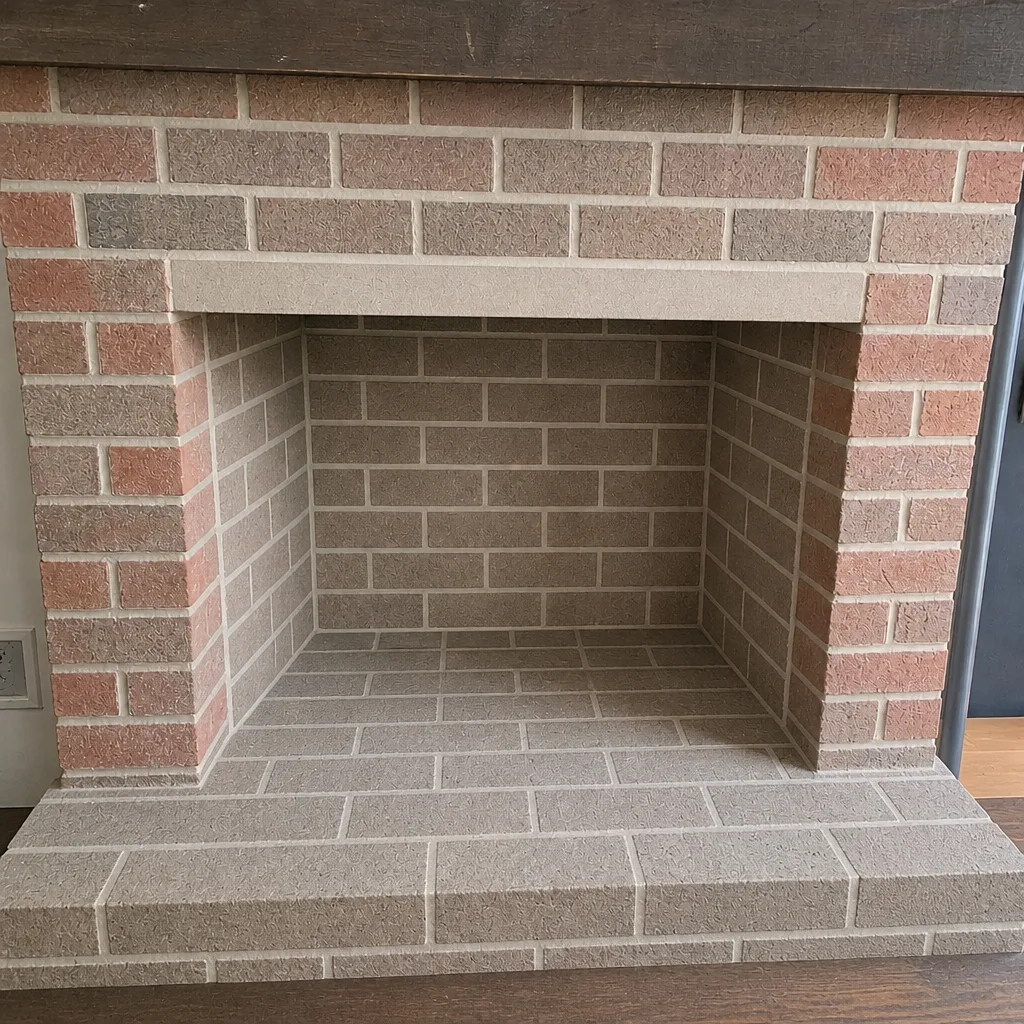
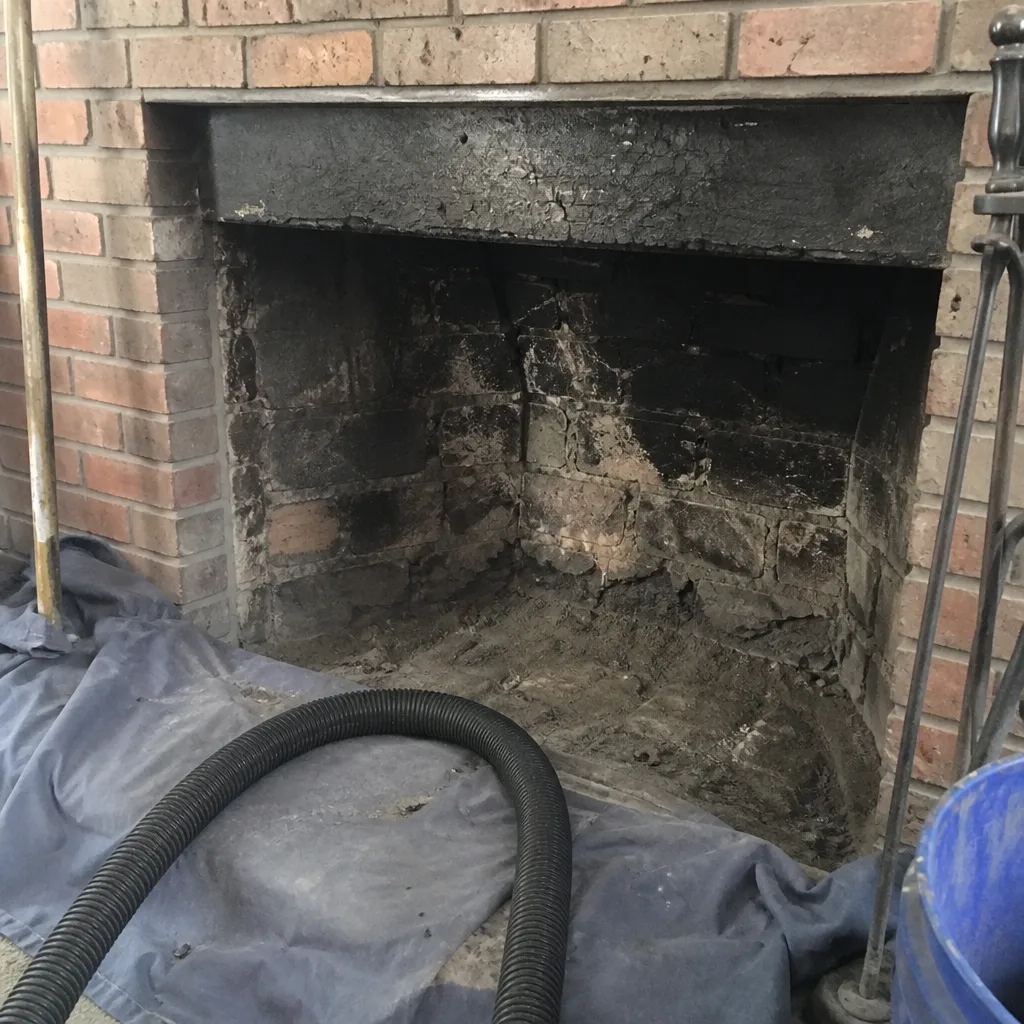
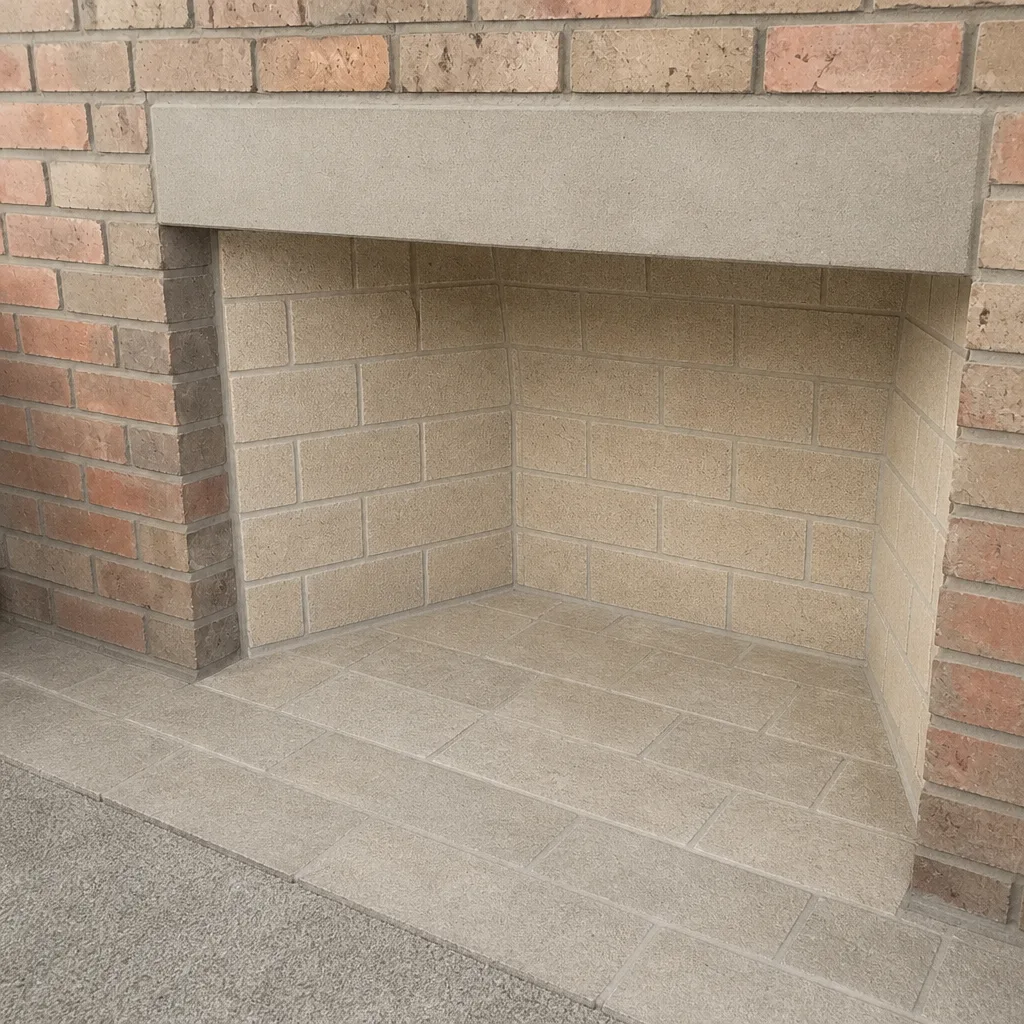
See the difference
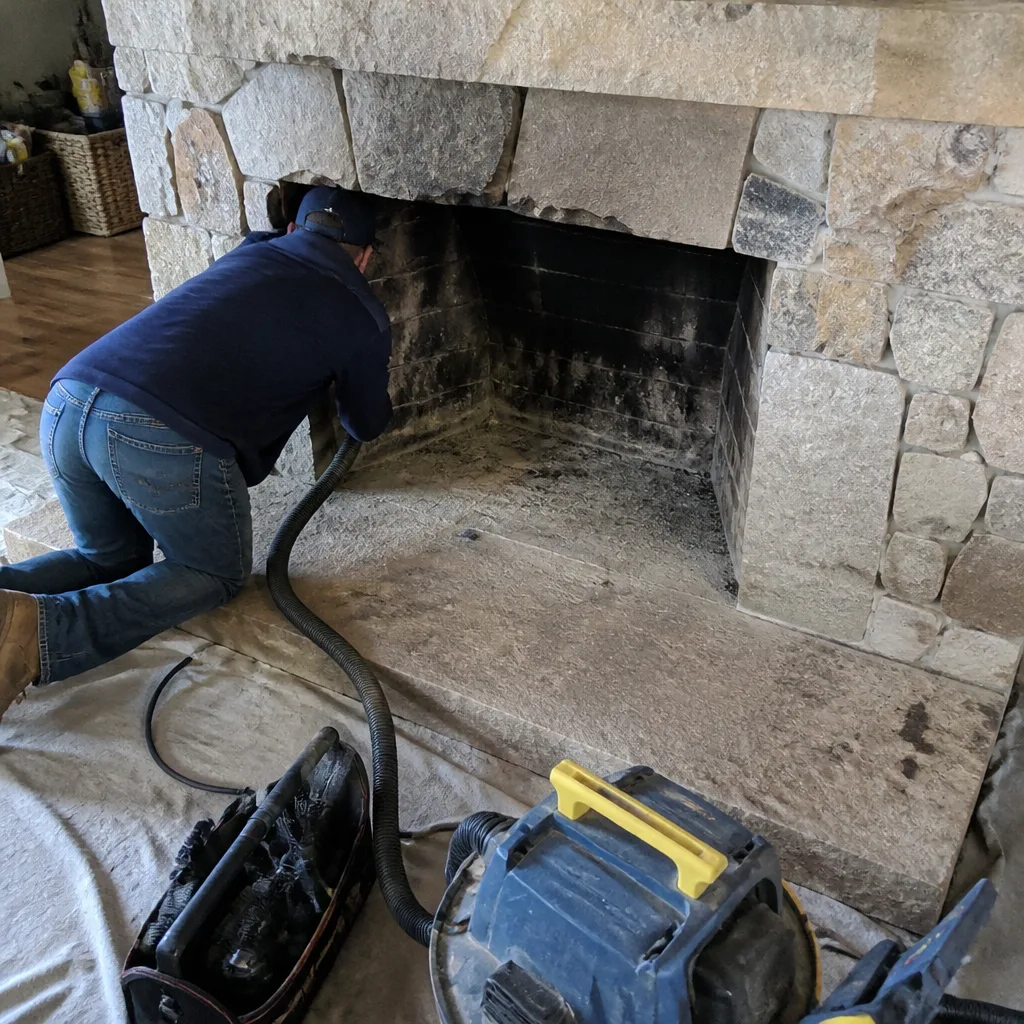 Before
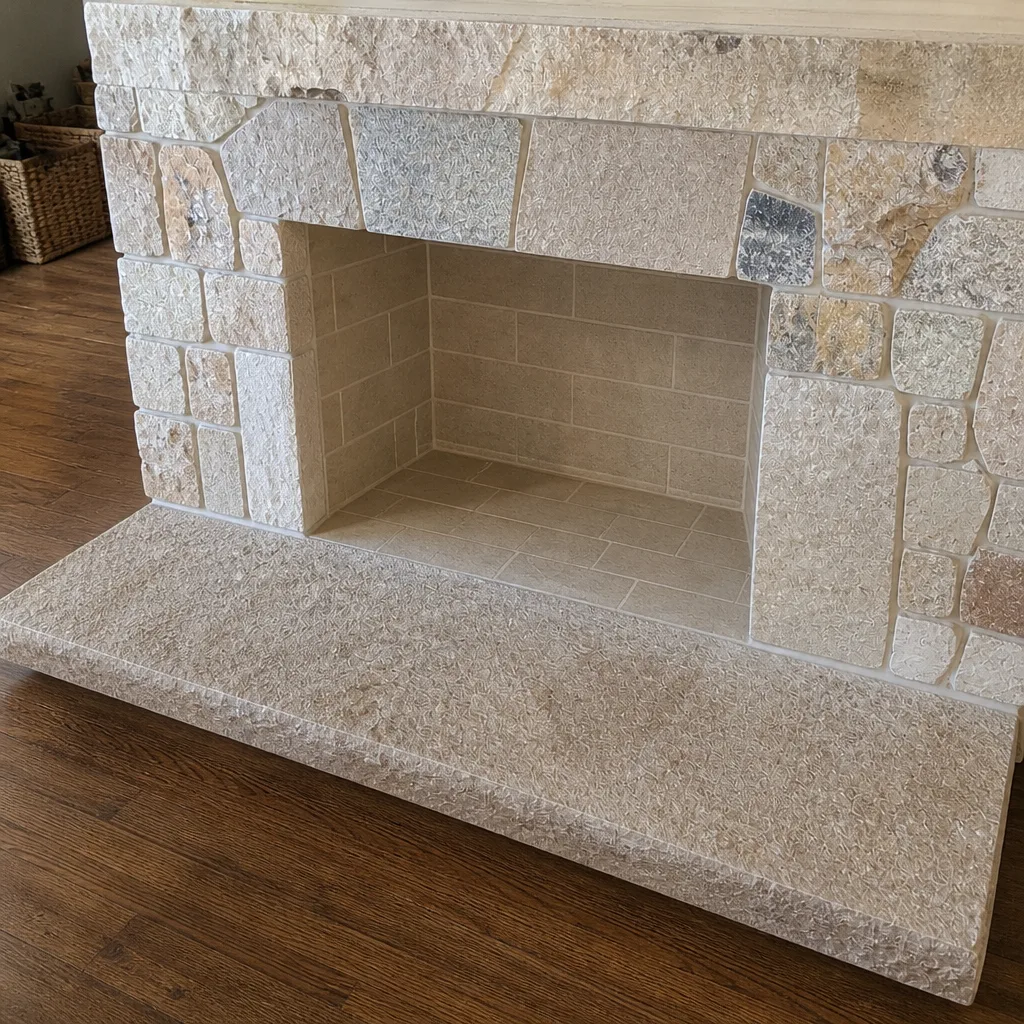 After
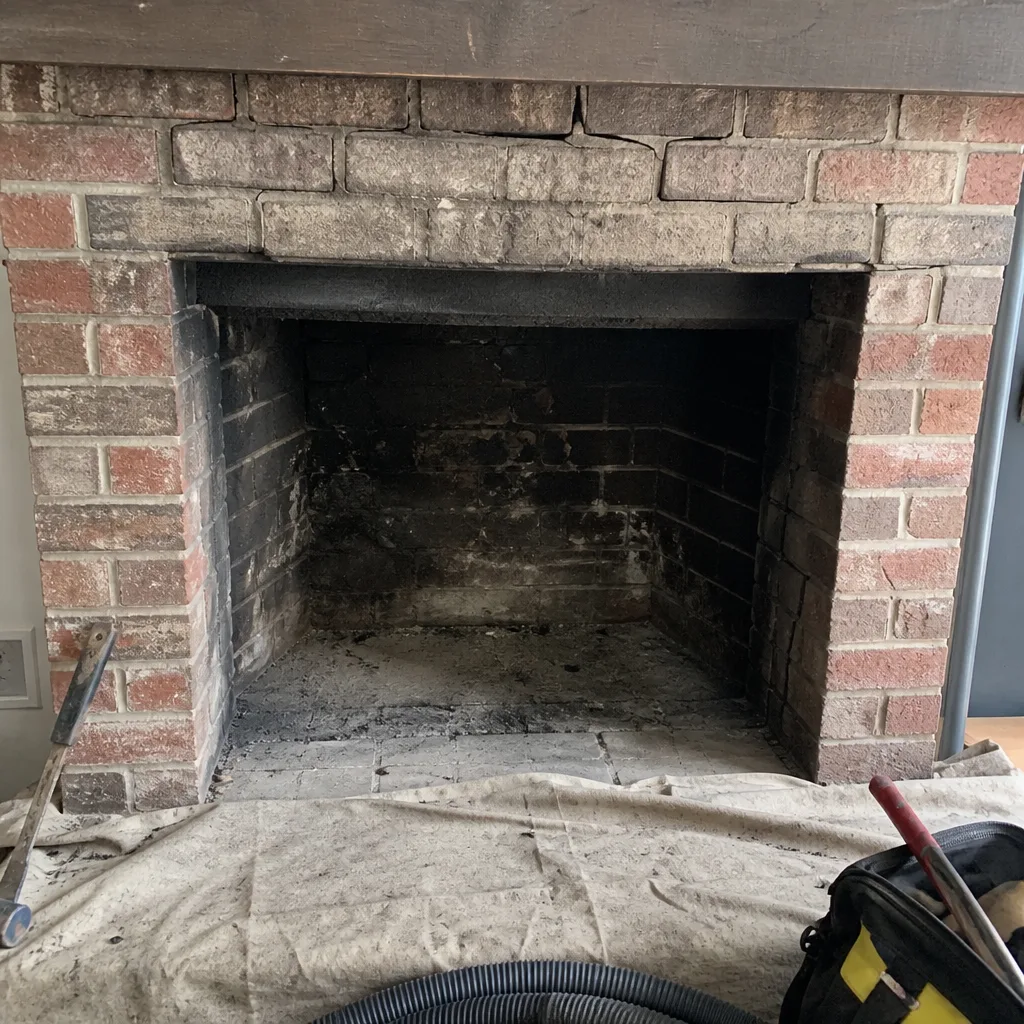 Before
 After
 Before
 After
When to Call a Professional
Some situations call for a professional evaluation without waiting for the annual cleaning. If smoke backs into the room when the fire is lit, if the damper sticks or won’t close, or if you notice a strong creosote smell after a fire, those are reasons to have the system looked at. A cap that’s damaged or missing, visible cracks in the firebox or crown, or any concern about carbon monoxide calls for a professional visit. A home that’s new to you should get a Level 2 inspection with a camera scan before the first burn season, since the prior owner’s habits and the liner’s condition are unknown. Chimney Sweep Tallyn’s Reach offers free estimates in Tallyn’s Reach – call (888) 907-4785. We inspect before we recommend, and nothing gets recommended without evidence you can see.
Frequently Asked Questions
The price is set per job by a written estimate after an inspection, and every estimate is free. What you pay depends on the inspection level performed, the amount of creosote, and whether the cap, crown, or liner needs repair. Call (888) 907-4785 for an exact quote – estimates are free.
Not necessarily – and that’s the reason we inspect before we recommend. A HeatShield liner resurfacing can repair a deteriorated flue without a full replacement in some cases, while a DuraFlex flexible liner system is the professional standard when the flue needs to be relined. The right answer depends on what the camera scan shows, and you’ll see the photos before any recommendation. Call (888) 907-4785 to schedule a free estimate.
Once a year is the standard baseline for a regularly used wood-burning chimney. Heavy use, smoky fires, or a home that’s new to you can call for an evaluation sooner. Call (888) 907-4785 if you’re not sure which applies.
Creosote builds up on the flue walls, and a thick enough layer can ignite in a chimney fire. Carbon monoxide can also release into the home if a failed component isn’t caught by inspection. Neither is a scare tactic – it’s the reason the inspection is part of the job. Call (888) 907-4785 for an exact quote – estimates are free.
It covers the firebox, smoke chamber, flue and liner, and cap and crown, in that order, with a documented inspection report on the condition of each. A brush pass that stops at the flue isn’t a full-system clean. Call (888) 907-4785 and we’ll scope it after we’ve looked at the system.
Same-day service is often possible. We answer 24/7, and fast dispatch runs from 7am to 7pm, Sunday through Friday, closed Saturday. Call (888) 907-4785 and we’ll book the visit around the inspection the job needs.
The Bottom Line
A chimney cleaning in Tallyn’s Reach is a full-system evaluation that starts at the firebox and ends at the cap, not a single pass with a brush. The inspection level determines what gets checked, the Front Range altitude and dry climate shape how fast creosote builds and how much stress the crown takes, and the inspection report – not the cleaning receipt – is the document that tells you whether the liner and cap are sound. If a repair is needed, we start with a repair-first option and recommend replacement only when the evidence calls for it. Your chimney system, covered start to finish, with materials from brands chimney specialists actually use.
Chimney Sweep Tallyn’s Reach handles Chimney Sweep Tallyn’s Reach, chimney repair, chimney inspection, and the related work that keeps a system whole. From a routine chimney sweep to fireplace repair or new chimney cap & crown, you’re dealing with one source from inspection through repair, using consistent materials and documentation. Our technicians have up to 12 years of experience, and we work with professional-grade brands including DuraFlex, HeatShield, Gelco, Olympia Chimney, Famco, and Copperfield. Repair first. Replace only when necessary.
Have your chimney evaluated before the burn season gets underway. Call (888) 907-4785 for a free estimate. We answer 24/7. Fast dispatch from 7am to 7pm, Sunday through Friday.
Written by the team at Chimney Sweep Tallyn’s Reach.