
Last updated November 23, 2026
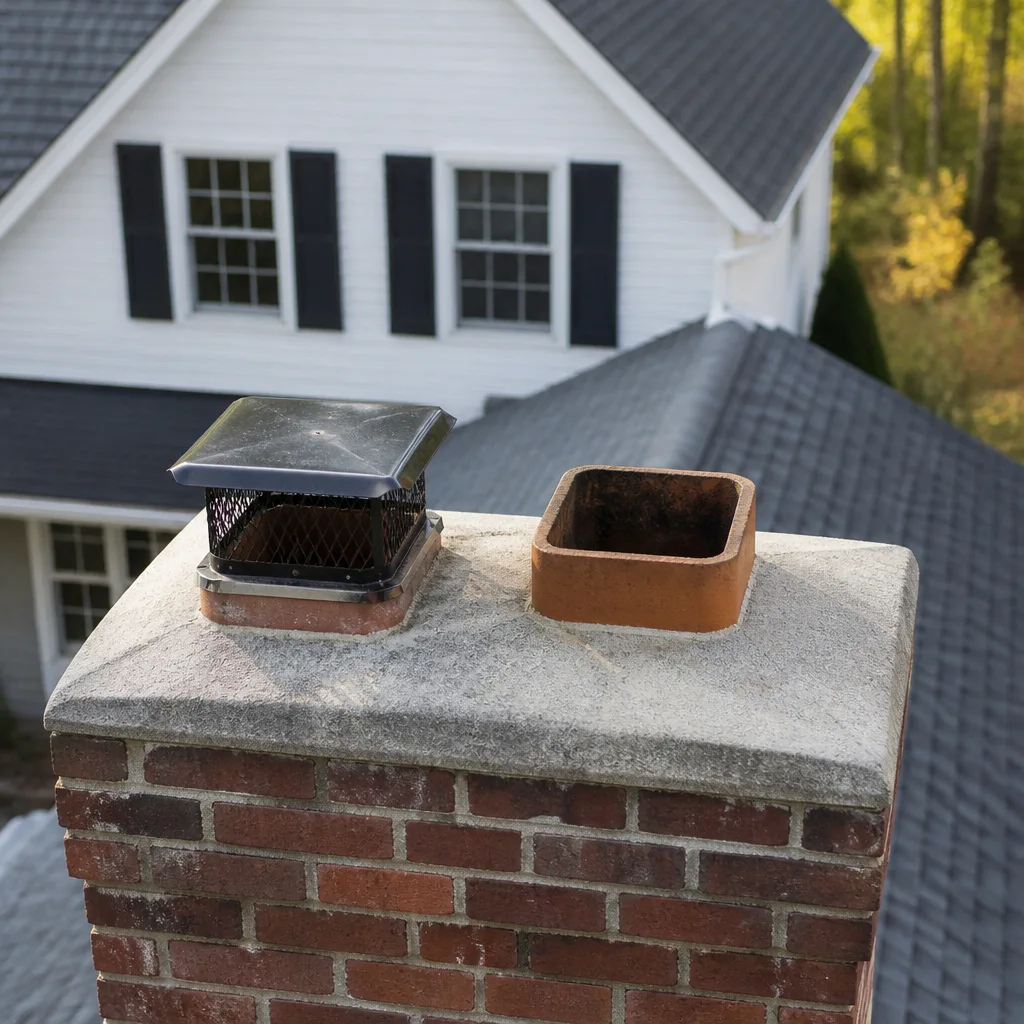 Sweep & inspection
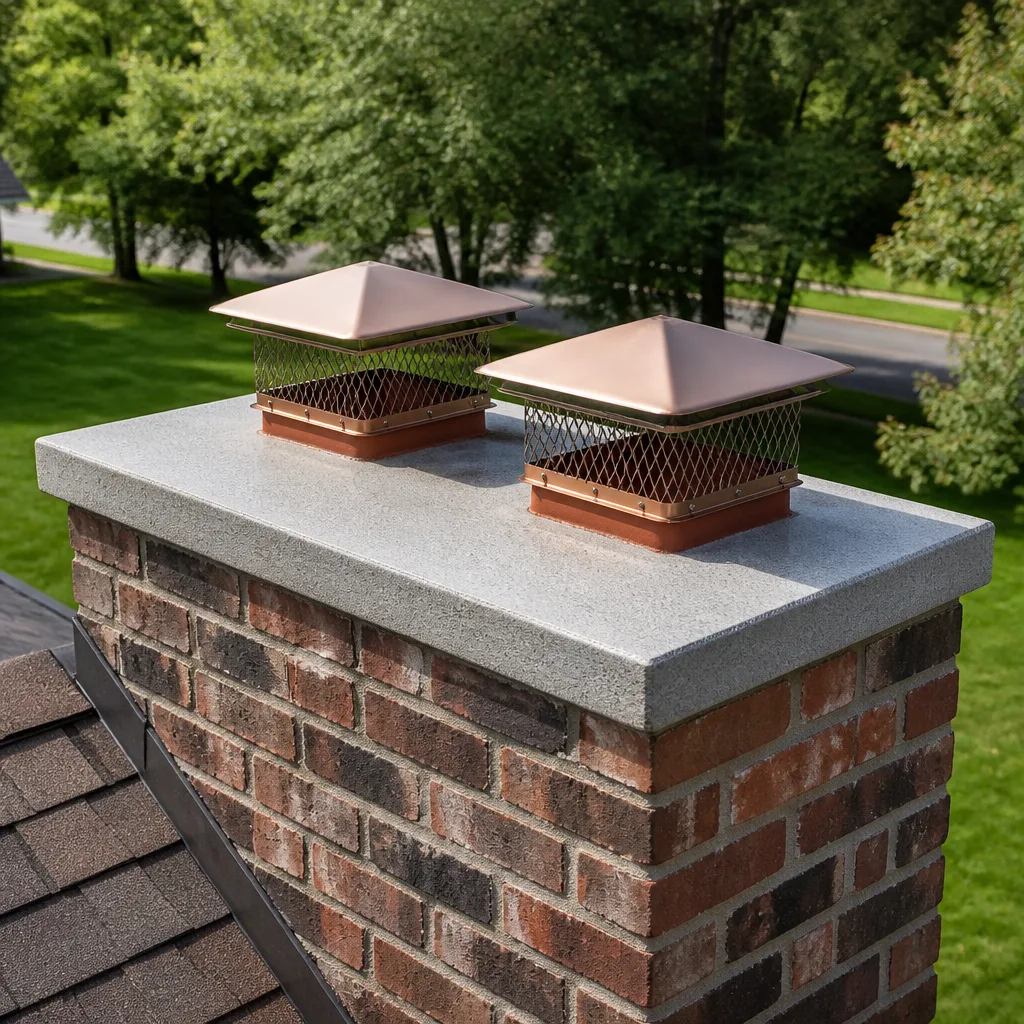 Caps & crowns
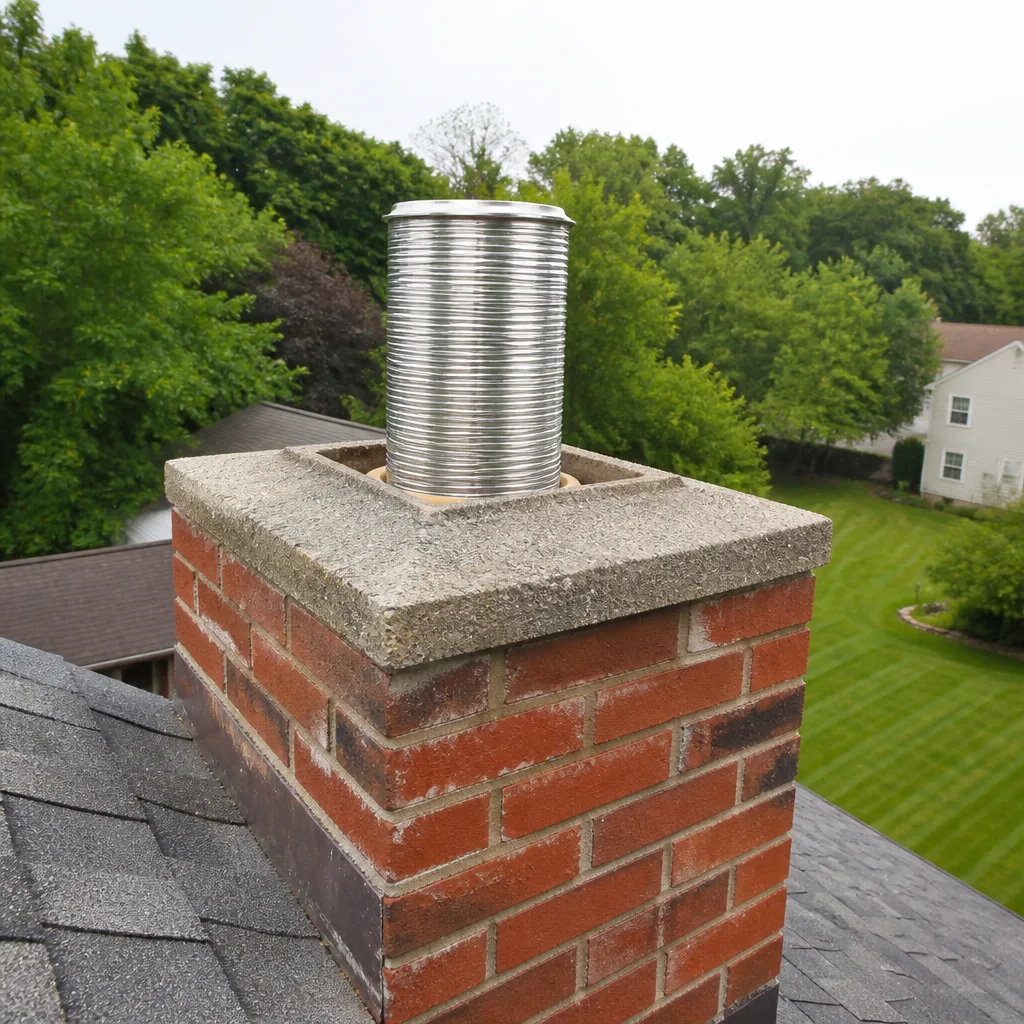 Flue relining
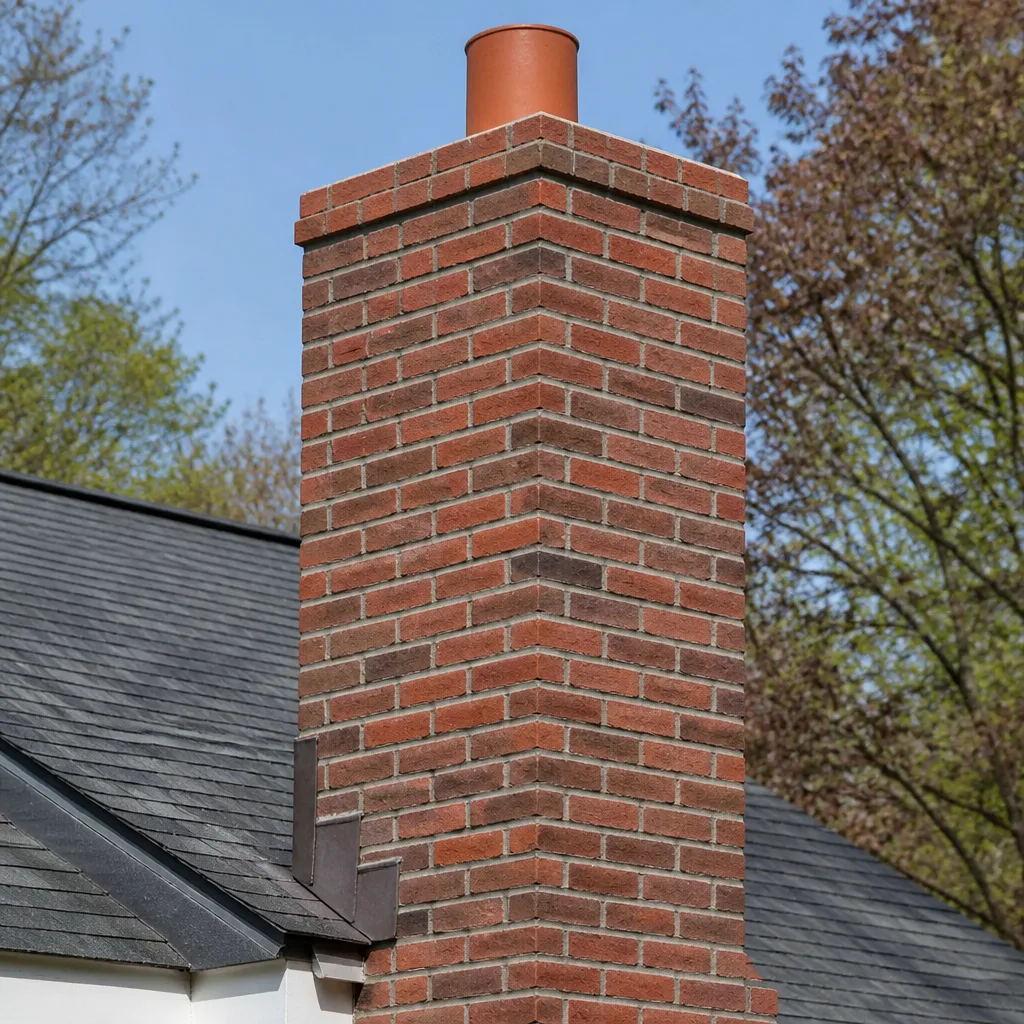 Masonry repair
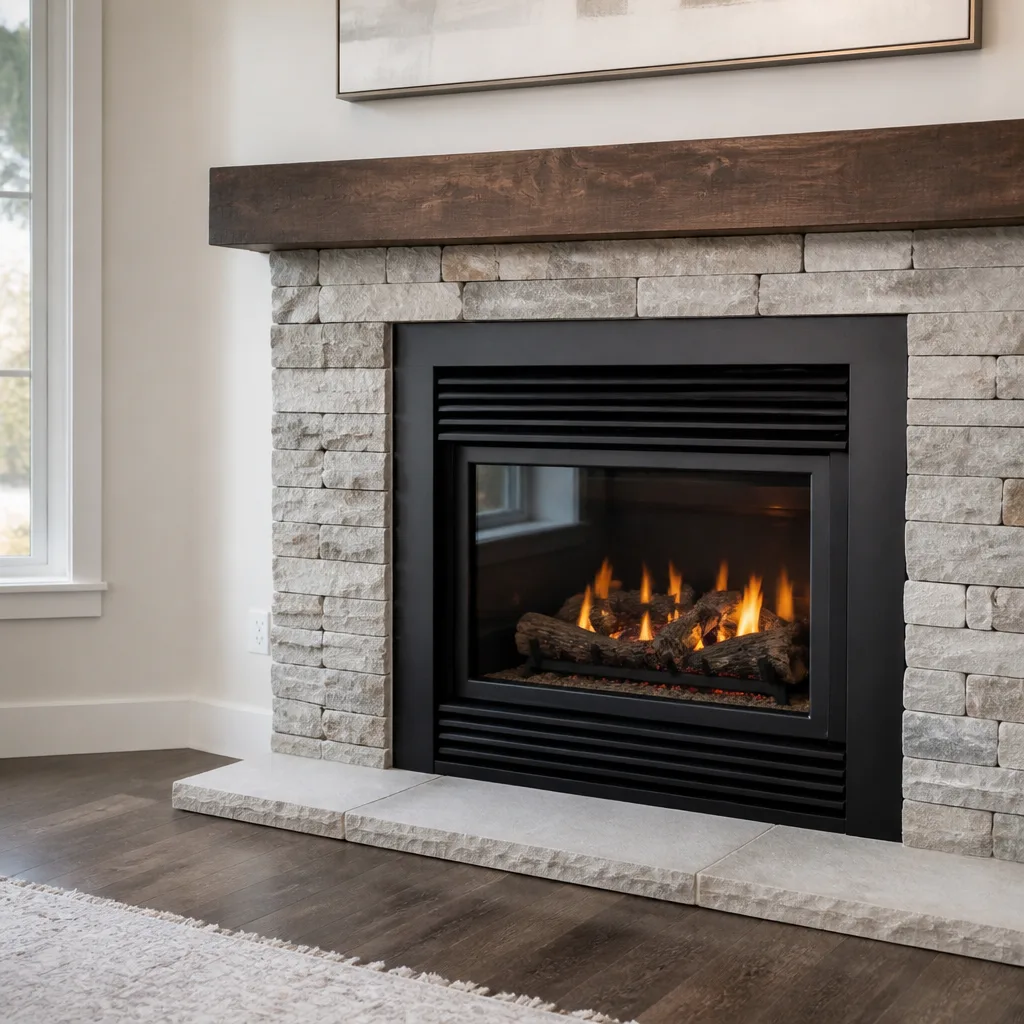 Gas fireplace service
Level 1 sweep and inspection to the NFPA 211 annual standard - flue, crown, cap, and flashing checked and photographed
Chimney sweep logs do not sweep chimneys. They loosen some creosote - which then falls where a brush and vacuum still have to collect it.
Chimney Cleaning Cost Breakdown: The Tallyn’s Reach Homeowner’s Reference for 2026
A $99 chimney sweep special and a $299 full-system cleaning are not competing offers for the same job. They’re two different scopes of work wearing similar names, and confusing them is how a small, affordable problem quietly turns into a liner replacement or a firebox rebuild. In Tallyn’s Reach, where most homes run a wood-burning fireplace or a gas insert through cold Front Range winters, the right question isn’t “who’s cheapest?” It’s “what exactly is included, and why?” This reference unpacks what a chimney cleaning actually costs in 2026, line by line, so you can read a quote and know what you’re buying. We’ll cover scope, add-ons, chimney type, price variation, and the real cost of skipping a season.
Quick Answer
A standard chimney cleaning in the Tallyn’s Reach area typically runs $175 to $350 for a masonry wood-burning flue, while prefabricated and gas-appliance cleanings often land in the $125 to $250 range because the scope is smaller. Add a Level 2 inspection with a camera scan and you’re usually looking at $75 to $150 more. The written estimate always sets the final price, and it should itemize what’s included before anyone books the job.
Styles & brands we work with
- Sweep & inspection
- Caps & crowns
- Flue relining
- Masonry repair
- Gas fireplace service
Table of Contents
- What You’re Actually Paying For in a Chimney Cleaning
- Line-Item Cost Breakdown for 2026
- How Chimney Type Changes the Scope and the Price
- Why Prices Vary So Much Within Tallyn’s Reach
- The Cost Math of Deferred Cleaning
- How to Read a Chimney Quote in Tallyn’s Reach
- When to Call a Professional
- Frequently Asked Questions
What You’re Actually Paying For in a Chimney Cleaning
An entry-level “sweep special” price usually buys a brush down the flue and a quick look up from the firebox. That’s it. It’s not nothing, but it’s a fraction of what a full-system cleaning covers, and the gap between the two is where homeowners get surprised. When we inspect before we recommend, the first thing we establish is what level of service your chimney actually needs, because a $99 visit and a $299 visit are answering different questions.
A full-system cleaning in Tallyn’s Reach typically includes the following, and you should see most of these named in any quote above the entry level:
- Protection of the surrounding floor and hearth with drop cloths and a running vacuum to contain dust
- Mechanical brushing of the flue sized to your chimney’s interior dimensions
- Cleaning of the firebox, smoke shelf, and damper area
- Removal and cleaning of the firebox grate and any log lighter or burner assembly where present
- A visual check of the cap, crown, and flashing from the roof or a camera scan
- Photo documentation of what was found, shared with you
The entry-level price point usually excludes the inspection report, the camera scan, and the documentation. Those aren’t upsells tacked on for revenue. They’re the parts of the visit that tell you whether the flue is sound, whether creosote has glazed onto the liner walls, and whether the cap is doing its job. In a Tallyn’s Reach home with a wood-burning fireplace, glazed creosote is the finding that changes everything downstream, because it can’t be brushed away and it’s the reason liner work gets recommended. If a quote is low, ask what’s left out. That’s the honest answer to why the number looks attractive.
Line-Item Cost Breakdown for 2026
Here’s the structure we work from when building an estimate. These are typical ranges for the Tallyn’s Reach market in 2026, not fixed prices, and the written estimate you receive is what governs. Every line below should be justified by something the technician saw, either directly or on camera.
- Standard flue cleaning, masonry wood-burning: $175 to $350, depending on flue height, access, and creosote volume
- Standard cleaning, prefabricated or gas appliance: $125 to $250, since the flue is smaller and access is often easier
- Level 1 inspection (visual, accessible portions): often bundled into the cleaning visit
- Level 2 inspection (camera scan of the full flue interior): typically $75 to $150 as an add-on
- Chimney cap replacement or new cap installation: typically $150 to $450, depending on cap style and size
- Crown sealing or crown repair: typically $200 to $600, depending on the extent of cracking and whether resurfacing is needed
- HeatShield liner resurfacing (repair-path option): priced per job after inspection, generally less than full relining
- DuraFlex flexible liner installation: priced per job after inspection, usually the higher-cost option when the existing flue can’t be resurfaced
Two things worth understanding about this list. First, cap and crown work shows up here because it’s the most common source of water intrusion and structural deterioration we find on Tallyn’s Reach homes, and it’s far cheaper to address before it damages the masonry. Second, the liner numbers aren’t given as ranges on purpose. Liner work depends entirely on flue dimensions, height, and condition, and a range that broad would be meaningless. We inspect before we recommend, every time, and the camera evidence comes with the estimate so you can see the reason for the recommendation yourself. If it can safely wait, we’ll tell you that too.
How Chimney Type Changes the Scope and the Price
The single biggest driver of what a cleaning costs is not the market. It’s the chimney. A masonry fireplace burning cordwood and a prefabricated gas insert are different systems with different failure modes, and they don’t take the same amount of time, equipment, or expertise to service.
Masonry wood-burning chimneys in Tallyn’s Reach take the longest to clean and cost the most, for a few reasons. The flue is larger, the creosote load is heavier, and the firebox, smoke shelf, and damper all need attention. If the masonry has any spalling or missing mortar joints, that’s a finding worth documenting, and it typically calls for a Level 2 camera inspection to see what’s happening inside the flue where you can’t look directly.
Prefabricated wood-burning fireplaces use a metal flue with a smaller interior, so the cleaning is faster and usually cheaper. But the tradeoff is that these systems are less forgiving of neglect. The flue sections and the cap assembly are what fail, and worn-out components on a prefab unit are a relining question rather than a masonry repair.
Gas fireplaces and inserts don’t produce creosote the way wood does, but they still need servicing. The burners, logs, and venting accumulate dust and debris, and a gas appliance that isn’t venting correctly is a carbon monoxide concern. A gas cleaning is usually the least expensive visit on this list, but it still requires a technician who knows what a properly drafting vent looks like. We match the method to the system: HeatShield resurfacing for a masonry flue that can be restored, DuraFlex flexible liner systems for a flue that needs a new interior surface. Repair first, replace only when necessary.
Why Prices Vary So Much Within Tallyn’s Reach
Within a single neighborhood, quotes for what sounds like the same cleaning can differ by a factor of three. That’s not because one company is gouging and another is generous. It’s because the scope, the equipment, and the accountability behind the number are different, and none of that is visible on a price line.
Here’s what actually moves a quote up or down, and how to judge whether a premium is justified:
- Crew experience. Our technicians have up to 12 years of experience, and that shows up in how a flue is assessed, not just how it’s brushed. Experience is what lets a technician recognize the difference between normal soot and glazed creosote, or between a hairline crown crack and one that’s already letting water in.
- Equipment quality. A rotary brush sized to the flue, a proper vacuum with HEPA containment, and a camera system that produces shareable images all cost money to own and maintain. They also produce a different result and a different record of it.
- Liability and insurance. The local pro is licensed and insured as their state requires. A quote from someone without that coverage is cheaper for a reason, and the risk lands on you if something goes wrong on the roof or in the flue.
- Materials. Cap and crown work done with professional-grade products from brands like Olympia Chimney and Famco is spec’d for longevity. Entry-level caps that need revisiting a few seasons later aren’t a saving; they’re a deferral.
- Single-source accountability. When the company that inspects is the same company that repairs, using consistent materials and documentation, there’s no handoff gap and no second company re-diagnosing the same problem.
The premium that’s worth paying is the one you can see justified in the estimate: a camera scan you get to look at, a materials list, and a clear explanation of why each line exists. A premium that’s just a higher number with no explanation is not a premium. It’s a markup.
The Cost Math of Deferred Cleaning
This is the section worth reading twice. A typical annual cleaning in Tallyn’s Reach runs around $250, and the reason to keep that appointment isn’t the cleaning itself. It’s what the cleaning prevents.
Creosote accumulates every time you burn wood, and it comes in stages. Light, flaky creosote brushes out during a normal cleaning. Glazed, tar-like creosote does not, and it’s the form that fuels a chimney fire. When glazed creosote is found, the options are liner resurfacing or relining, which is a job measured in four figures, not two. A chimney fire is worse: it can crack the flue tiles or warp a prefabricated liner, and the repair after a fire is a full relining or a masonry rebuild.
Water intrusion is the other expensive path. A missing or failed cap and a cracked crown let water into the masonry, and in the freeze-thaw cycles that Front Range winters deliver, that water expands and spalls the brick and mortar from the inside. What starts as a $200 crown sealing job becomes a firebox rebuild or a firebox-to-flue structural repair. These aren’t hypothetical failure modes; they’re the two most common expensive outcomes we see, and both are cheaper to prevent than to fix.
Here’s the math in plain terms. Paying for a cleaning and inspection each season, plus cap and crown maintenance when it’s needed, keeps you in the low hundreds per year. Skipping two or three seasons and then discovering a glazed flue or water-damaged masonry moves you into a repair category that costs several times more than the cleanings you deferred. If the inspection finds something that can safely wait, we’ll say so. But the finding only happens if someone actually looks. Call Chimney Sweep Tallyn’s Reach to get an appointment on the books before the next burning season.
How to Read a Chimney Quote in Tallyn’s Reach
A quote is only useful if it tells you what was actually inspected and what each line is for. Here’s the process we recommend for evaluating any estimate you receive, whether it’s ours or another company’s.
- Check whether an inspection happened before the quote. A price given over the phone, without anyone looking at the flue, is a guess. It might be an accurate guess, but you have no way to know, and neither does the person quoting it.
- Ask for the inspection level. A Level 1 visual inspection covers the accessible portions. A Level 2 adds a camera scan of the full flue interior. If liner or structural work is being recommended, a Level 2 is what justifies it.
- Look for named materials. A quote that specifies DuraFlex or HeatShield for liner work, and Olympia Chimney or Famco for caps and ventilation, is telling you what you’re getting. A quote that just says “new liner” is telling you nothing.
- Separate cleaning from repair. A legitimate estimate will show the cleaning as one thing and any recommended repairs as another, each with its own justification. Bundling them into one number makes it impossible to evaluate either.
- Ask what can wait. A company that can’t tell you which findings are urgent and which are safe to monitor for a season is either not sure or not being straight with you.
- Confirm the estimate is in writing and the price is set by it. The number you agree to should be the number you pay, and it should reflect the scope in the document.
When you use our chimney sweep, you get the inspection findings and the photo report before any repair discussion, and the estimate is free. That’s the standard we hold ourselves to, and it’s a fair standard to hold any company to. If a quote you’ve received doesn’t clear these steps, ask the company to fill in the gaps. A company confident in its work won’t have a problem doing that.
When to Call a Professional
Some chimney issues are obvious and some are silent, and the silent ones are why an annual inspection matters. Call a professional if you’re seeing any of the following: smoke backing into the room when you light a fire, a strong creosote or soot smell even when the fireplace is cold, visible cracking in the crown or missing mortar on the chimney exterior, water stains on the ceiling or firebox, a damaged or missing cap, or a fireplace that simply hasn’t been serviced in recent memory. A gas appliance that produces unusual smells, soot on the logs, or a pilot that won’t stay lit is also worth a visit, because those can indicate a venting problem with carbon monoxide implications. If you’re buying a home in Tallyn’s Reach, a Level 2 inspection before closing is a reasonable line item. Chimney Sweep Tallyn’s Reach offers free estimates in Tallyn’s Reach. Call (888) 907-4785. We answer 24/7. Fast dispatch from 7am to 7pm, Sunday through Friday.
Common Mistakes to Avoid
- Treating the lowest quote as the best deal. A $99 sweep and a $299 full-system cleaning are not the same product. Compare scope, not just price. The lowest number often buys the least work.
- Accepting a liner recommendation without seeing the evidence. If you can’t see the camera footage or photos that justify a relining, you’re being asked to trust a conclusion you have no way to verify. Ask to see it. A legitimate inspection produces documentation.
- Skipping the annual inspection because the fire “seems to work fine.” A chimney can draft well and still have glazed creosote or a cracked crown. The problems that cost the most are the ones you can’t see or smell.
- Ignoring the cap and crown until water shows up inside. Front Range freeze-thaw cycles turn a small crown crack into spalled masonry fast. Cap and crown work is the cheapest repair in the chimney trade when it’s done on time.
- Hiring a general handyman to sweep the flue. A chimney is a system with its own failure modes, and a one-task sweep crew isn’t equipped to diagnose a flue interior. Trade-specific expertise is what catches what a generalist misses.
- Not asking which products will be installed. A cap is not a cap. Products spec’d for longevity from names like Olympia Chimney and Famco behave differently from entry-level replacements that come back in a few seasons.
- Putting off the cleaning until the first cold snap. Book the sweep before the burning season so a finding has time to be addressed, and so you’re not deciding on a repair the same week you want to use the fireplace.
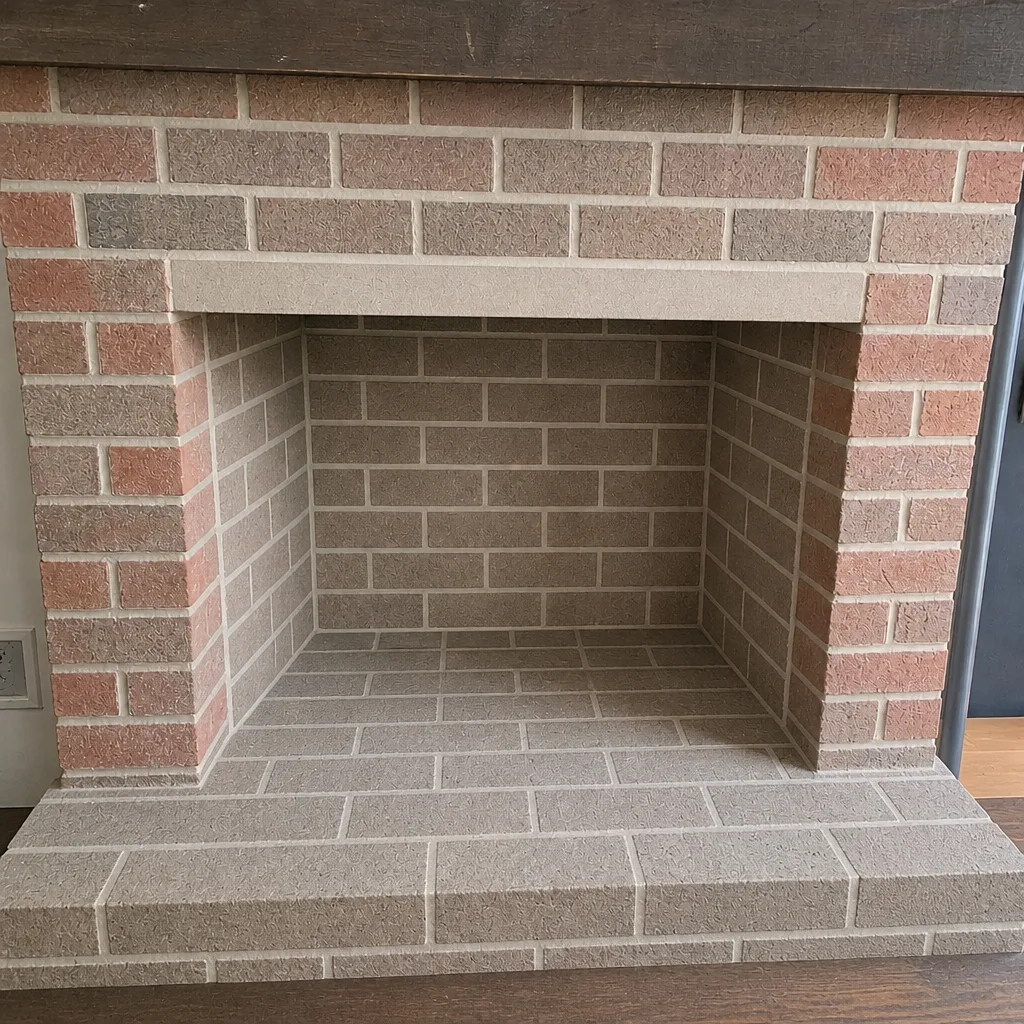
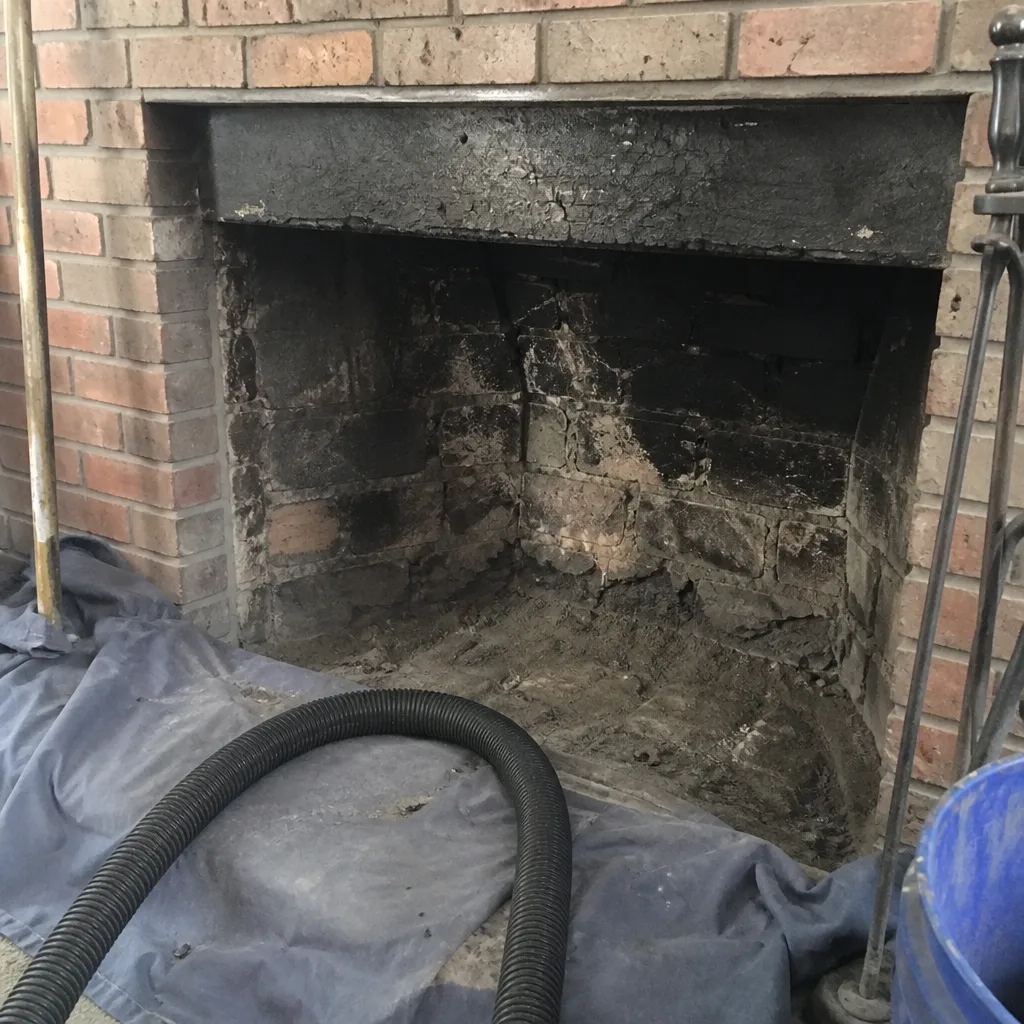
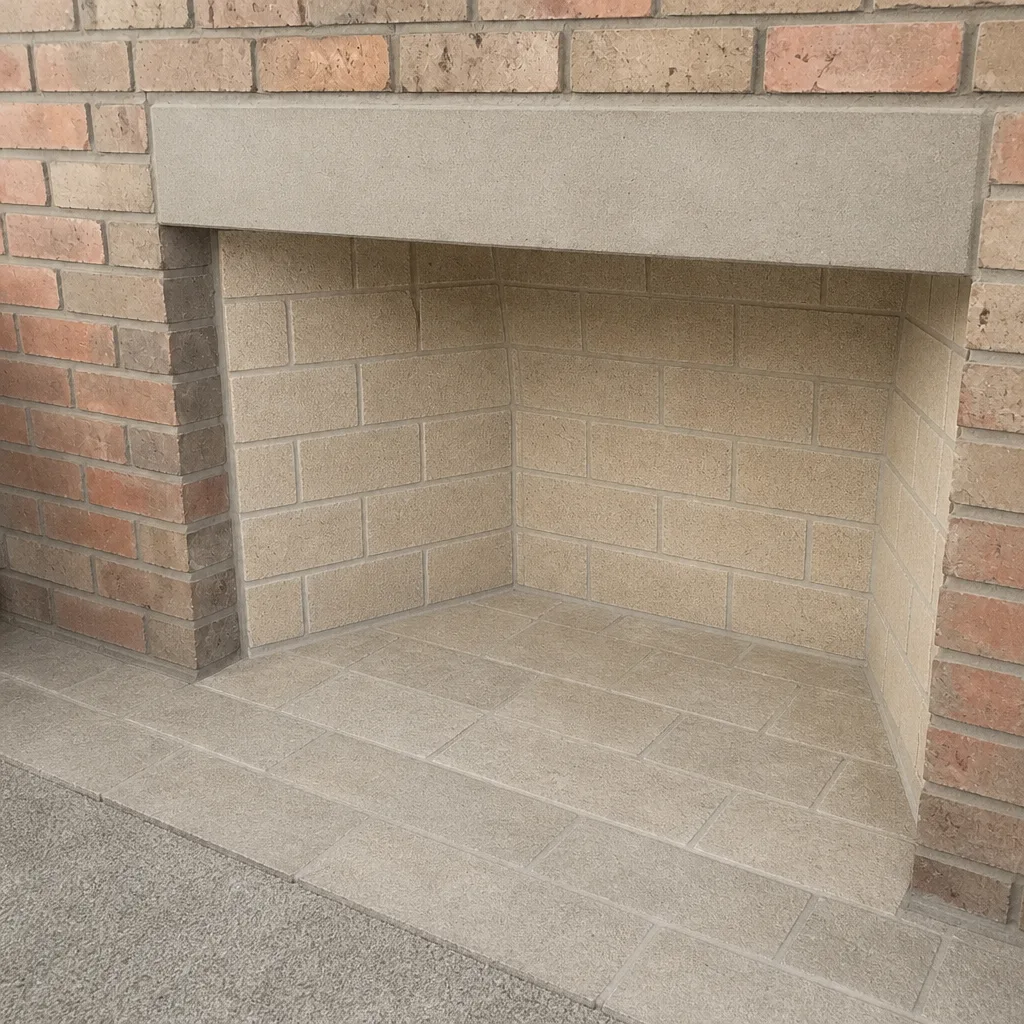
See the difference
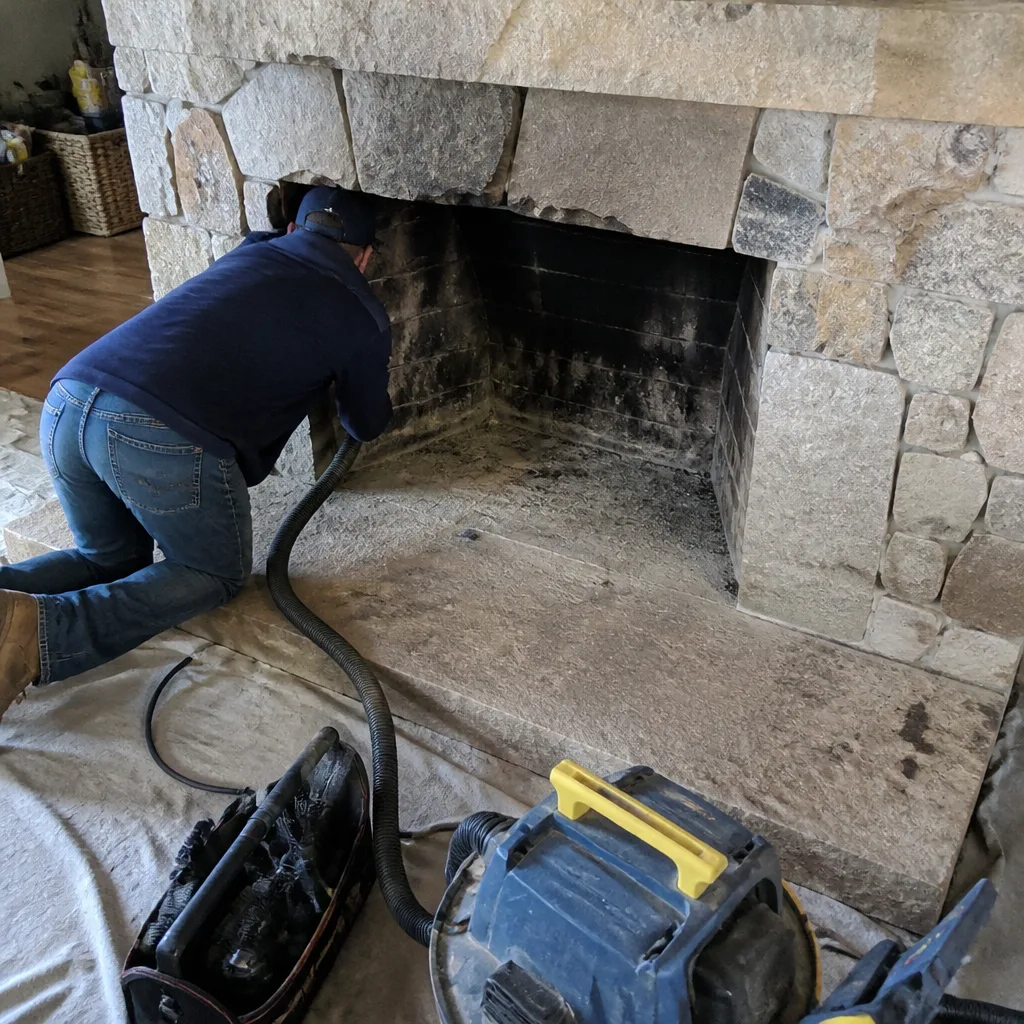 Before
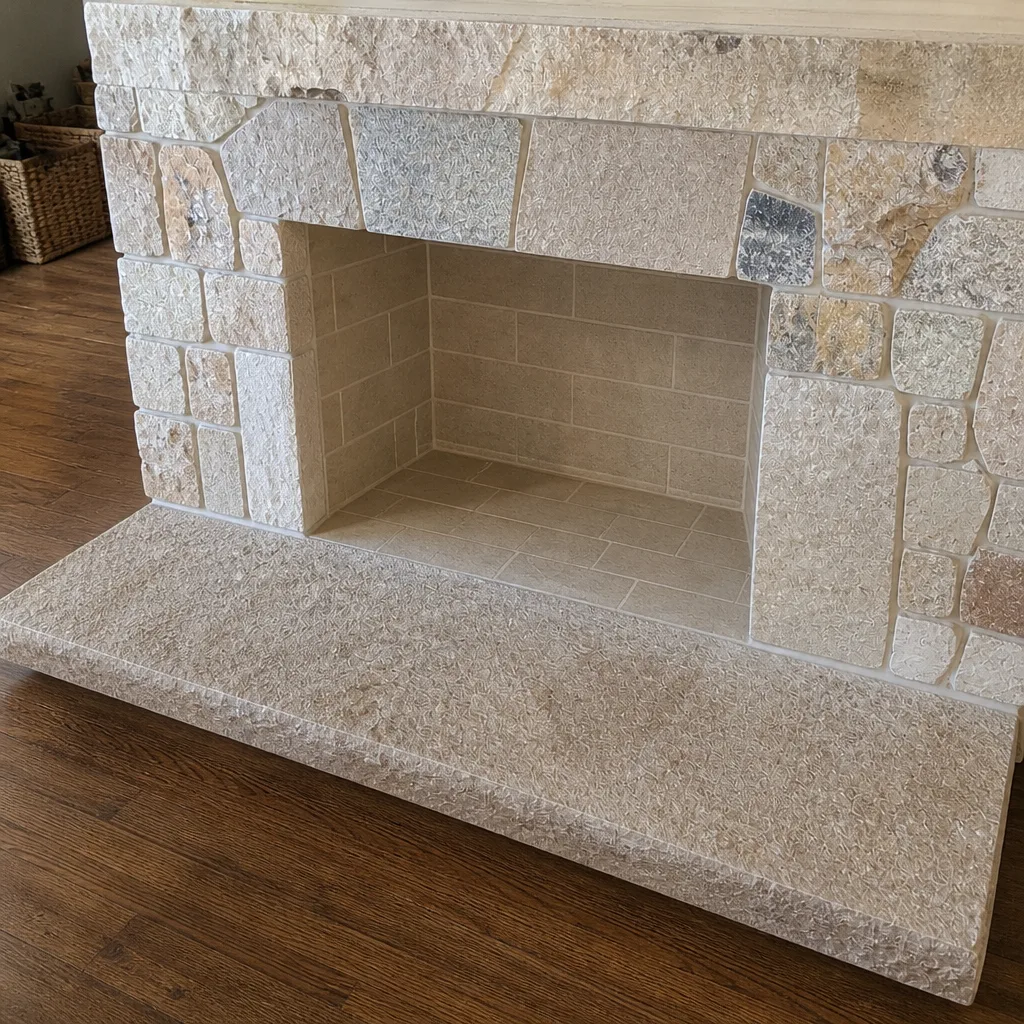 After
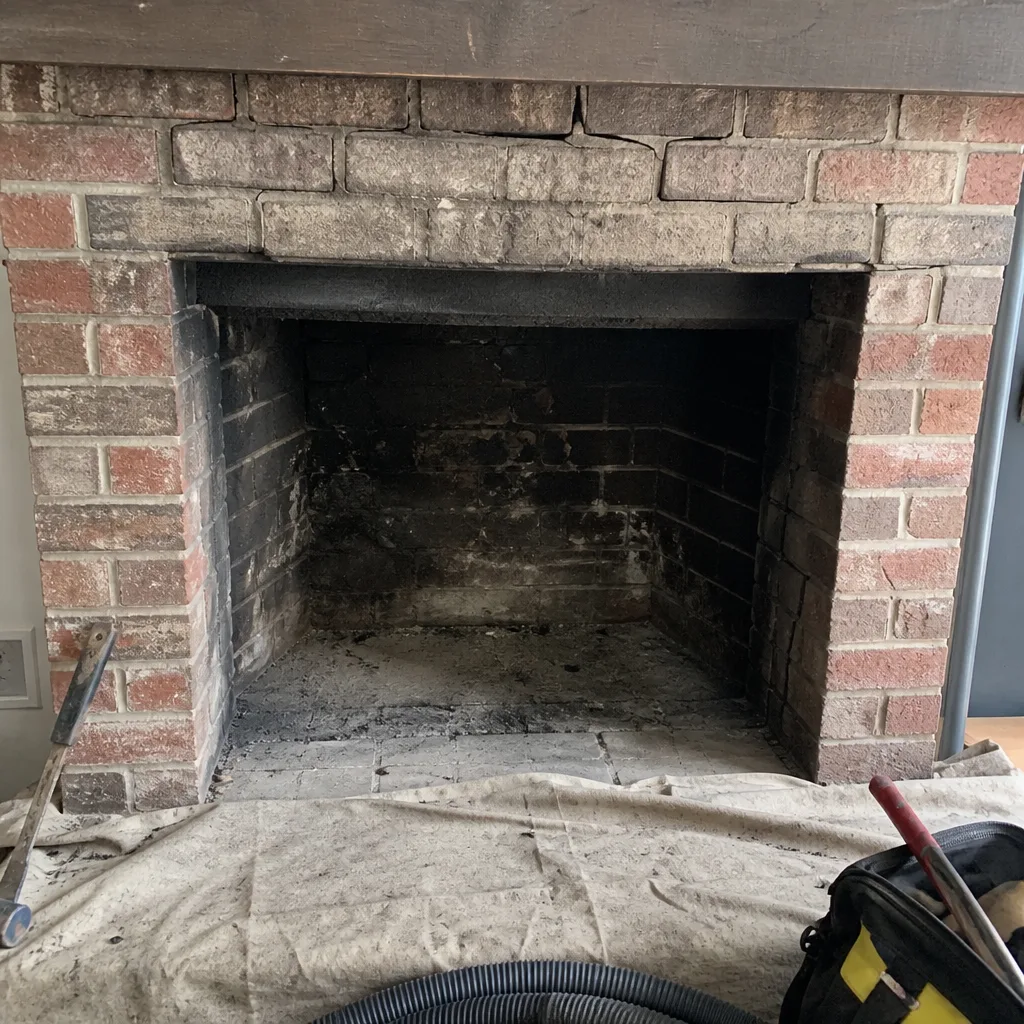 Before
 After
 Before
 After
Frequently Asked Questions
A standard chimney cleaning in Tallyn’s Reach typically runs $175 to $350 for a masonry wood-burning flue, and $125 to $250 for a prefabricated or gas appliance. A Level 2 inspection with camera scan adds roughly $75 to $150. The written estimate sets the final price after the inspection. Call (888) 907-4785 for an exact quote; estimates are free.
Not always. A liner is only needed when the existing flue can’t be restored or isn’t safe as-is, and there’s often a repair path that comes first. HeatShield liner resurfacing can restore a deteriorated masonry flue without a full reline, and DuraFlex flexible liner systems are the option when resurfacing isn’t possible. We inspect before we recommend, every time, and show you the camera evidence so you can judge for yourself. Call (888) 907-4785 to book an inspection.
Once a year is the standard for a wood-burning fireplace that sees regular use, and that annual visit doubles as your inspection. A gas appliance still needs an annual service even though it doesn’t produce creosote, because venting and burner condition matter for safety. If you burn heavily through the winter, ask whether a mid-season check makes sense. Call (888) 907-4785 to schedule the annual sweep.
Creosote keeps accumulating, and glazed creosote is the form that fuels a chimney fire and can’t be brushed out. Separately, a failed cap or cracked crown lets water into the masonry, and freeze-thaw cycles turn that into spalling brick and a much bigger repair. Neither failure is visible from the living room. The cleaning and inspection are what surface both before they become expensive. Call (888) 907-4785 to get on the schedule.
Because they usually aren’t for the same cleaning. Scope, inspection level, equipment, technique, and liability coverage all differ, and those differences don’t show up on a price line. An entry-level price typically excludes the inspection report and the camera scan. Compare what’s included, not just the total. Call (888) 907-4785 and we’ll walk you through exactly what our estimate covers.
Usually yes, because there’s no creosote to remove and the flue is smaller, so a gas service typically lands in the $125 to $250 range. But the visit still matters, since burner and venting problems on a gas appliance carry carbon monoxide risk that a visual check from the living room won’t catch. Call (888) 907-4785 to book a service for either type.
The Bottom Line
Chimney cleaning prices in Tallyn’s Reach spread by a factor of three because the word “cleaning” covers wildly different scopes. A standard masonry cleaning sits around $175 to $350, prefabricated and gas work around $125 to $250, and add-ons like a Level 2 camera scan, cap replacement, or crown sealing each add their own line. The written estimate sets the final price, and it should itemize what’s included and what the inspection actually found. The point of the breakdown isn’t to shop on price. It’s to read a quote and understand what you’re buying, what you’re being told can wait, and why. Pay for the inspection and the documentation, and let the findings drive the decisions.
Cover the Whole System, Start to Finish
Chimney Sweep Tallyn’s Reach covers the full chimney lifecycle in one relationship: inspection, cleaning, chimney cap & crown, structural repair, and fireplace repair. We work with professional-grade brands including DuraFlex, HeatShield, Olympia Chimney, Famco, and Copperfield, so material recommendations come from products chimney specialists actually use. The company that inspects is the same company that repairs, using consistent materials and documentation, with no referral runaround. Our technicians have up to 12 years of experience, and they diagnose with professional-grade tools and show you the evidence before recommending anything. We answer 24/7. Fast dispatch from 7am to 7pm, Sunday through Friday. Call (888) 907-4785 for a free estimate and put the inspection on the books before the next burning season.
Written by the team at Chimney Sweep Tallyn’s Reach.