
Last updated November 23, 2026
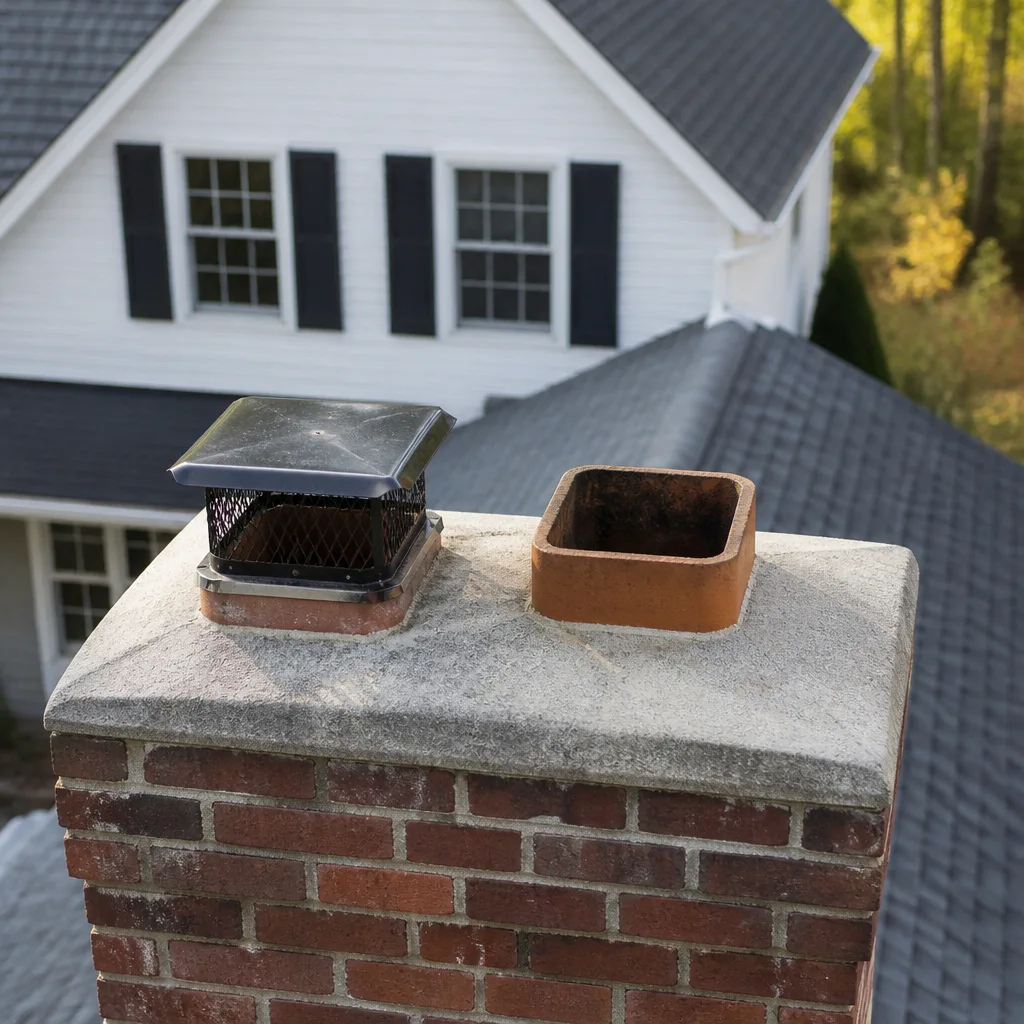 Sweep & inspection
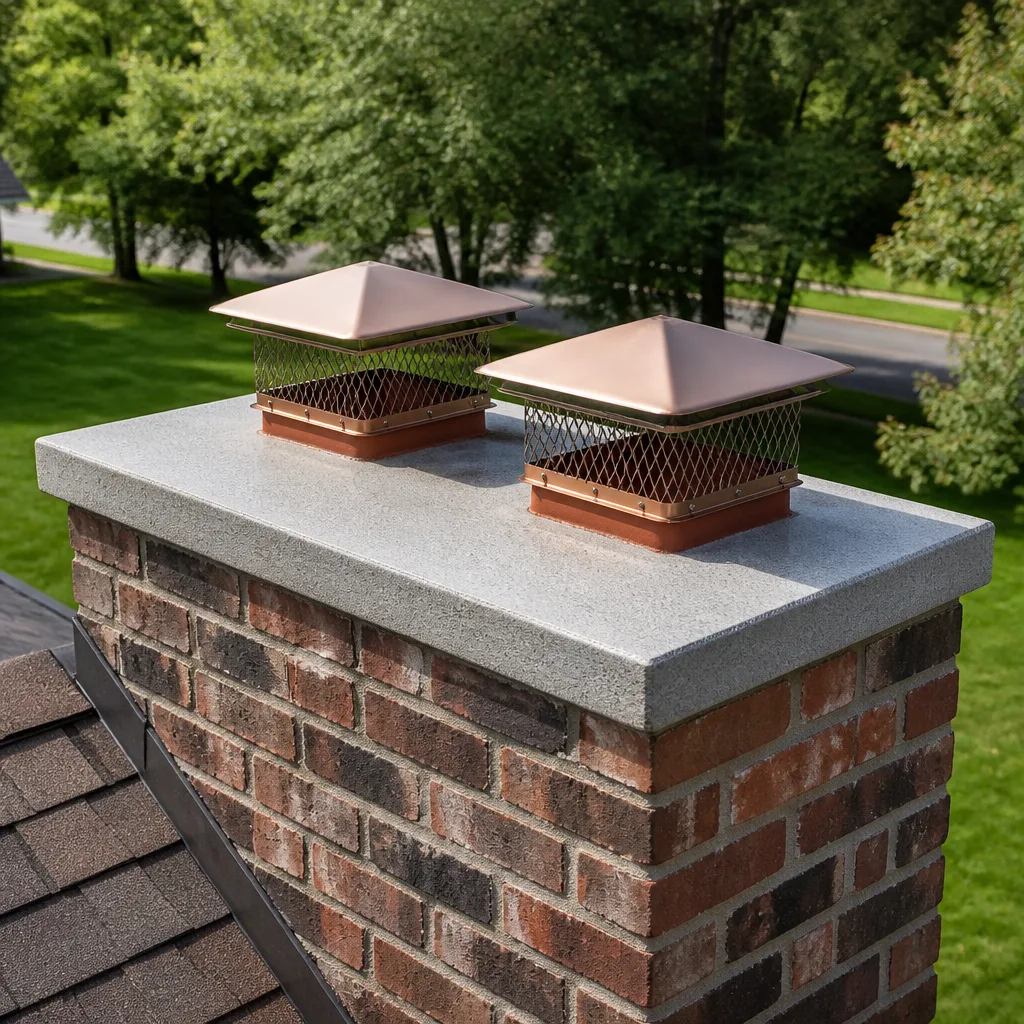 Caps & crowns
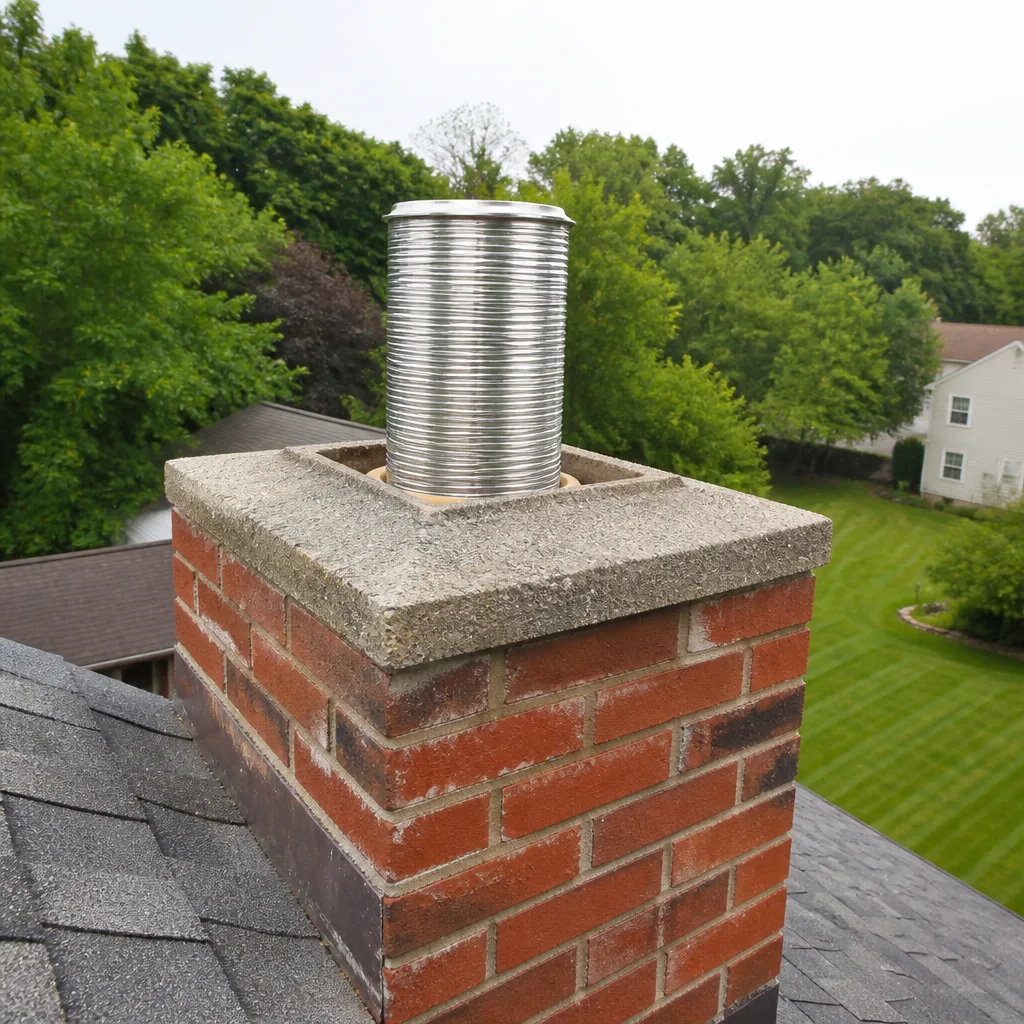 Flue relining
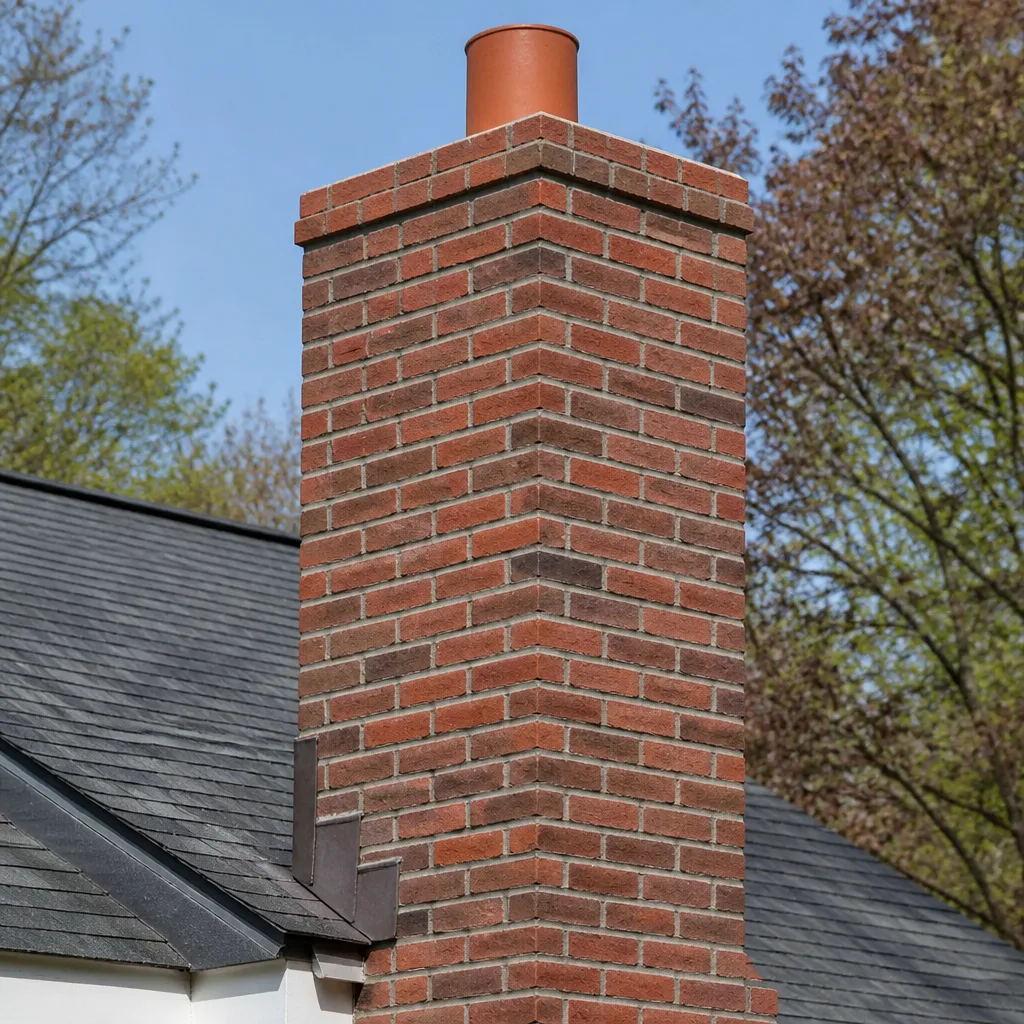 Masonry repair
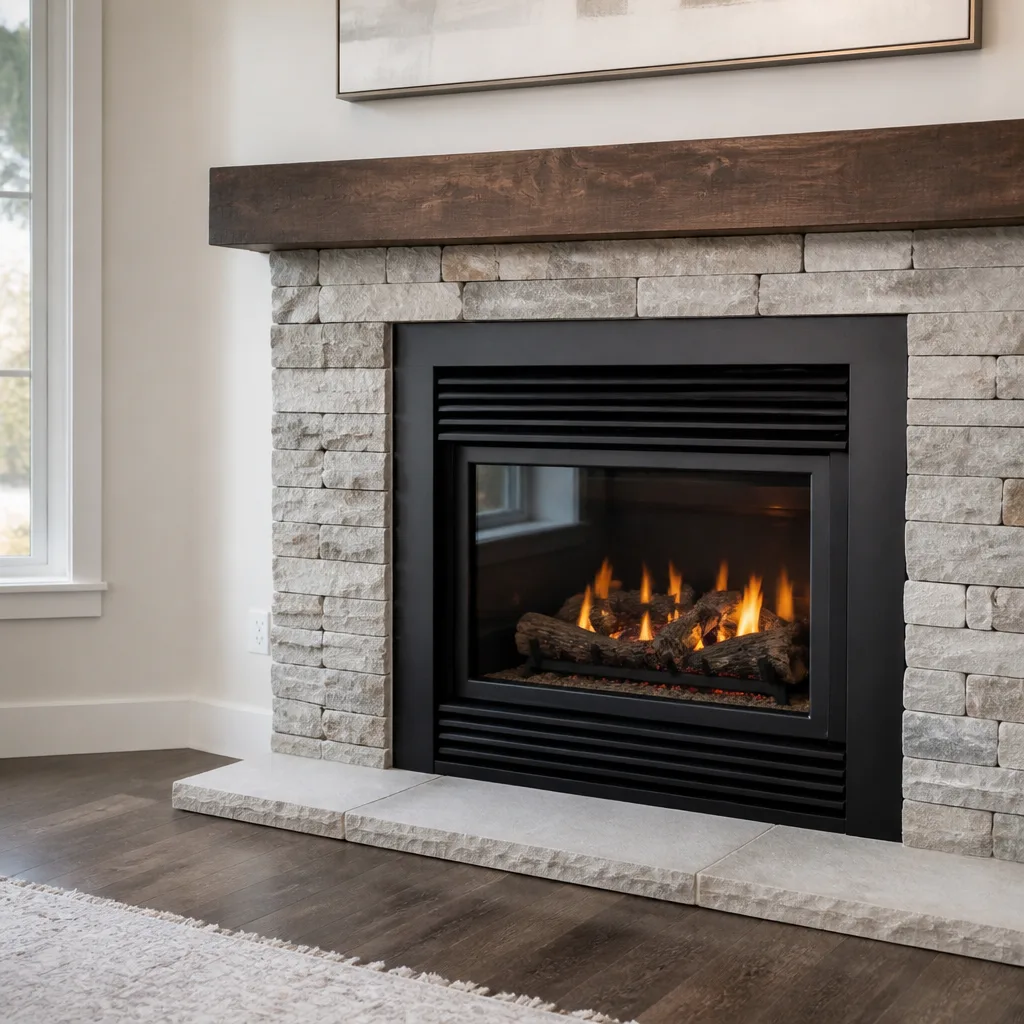 Gas fireplace service
Level 1 sweep and inspection to the NFPA 211 annual standard - flue, crown, cap, and flashing checked and photographed
Chimney sweep logs do not sweep chimneys. They loosen some creosote - which then falls where a brush and vacuum still have to collect it.
How to Hire a Chimney Cleaning Contractor in Tallyn’s Reach: A Step-by-Step Guide
Colorado doesn’t require chimney sweeps to hold a state license, which means the homeowner is the only quality filter standing between their chimney and an unqualified technician. That catches people off guard. Most homeowners assume a chimney sweep is a licensed trade like an electrician or a plumber, and that a business card with a phone number is proof enough of competence. It isn’t, and no permitting office, state board, or database will check it for you. So the vetting lands on you. This guide gives you the specific credentials to ask about, the questions that separate a full-system chimney specialist from someone with a brush and a truck, how to read a quote, and what a legitimate report should contain when the job is done. Everything here applies to a fireplace in Tallyn’s Reach and anywhere else in the Front Range.
Quick Answer
Hiring a chimney cleaning contractor in Tallyn’s Reach comes down to four checks: verify that the person inspecting your flue works for a company that does full-system work, not surface-only sweeping; ask for CSIA certification and confirm it’s current; demand a written quote built from an actual inspection rather than a phone estimate; and expect a written post-service report with photos or video of what the technician saw. Colorado doesn’t license chimney sweeps, so these four checks replace the state credential you’d normally rely on.
Styles & brands we work with
- Sweep & inspection
- Caps & crowns
- Flue relining
- Masonry repair
- Gas fireplace service
Table of Contents
- Why Colorado Doesn’t License Chimney Sweeps, and What That Means for You
- What CSIA Certification Actually Means (And How to Verify It)
- The Five Questions to Ask Before You Book
- How to Read a Chimney Quote
- Why the Lowest Bid Works Differently in This Trade
- What a Legitimate Post-Service Report Should Contain
- Tallyn’s Reach Climate, Housing, and Chimney Context
- Step-by-Step: Vetting a Contractor Before You Book
Why Colorado Doesn’t License Chimney Sweeps, and What That Means for You
Colorado has no statewide licensing requirement for chimney sweeps, and no state agency maintains a registry of who’s qualified and who isn’t. There’s no exam, no minimum training hours, and no continuing education requirement tied to a state credential. Anyone who can afford a brush and a ladder can print a business card that says “chimney sweep” and start taking calls.
Most licensed trades work the other way around. Plumbing, electrical, and gas work all carry state credentialing in Colorado, which means you can look up a license number and confirm the person has at least passed a baseline check. Chimney work sits outside that system entirely.
The NFPA 211 standard governs chimney and venting work at a technical level, and it’s what any serious chimney professional builds their process around: annual inspection, defined inspection levels (Level 1, Level 2, Level 3), and standards for what’s found during an inspection. But NFPA 211 is a private standard, not a law, and it doesn’t gate entry to the trade. Anyone can watch a video, buy a brush, and call themselves a sweep tomorrow. So when you hire in Tallyn’s Reach, ask for:
- The certifications the technician and the company hold, not just the company name
- Whether they carry general liability insurance and can send over a certificate of insurance on request
- Whether they can describe their inspection process in the levels defined by the trade standard
- Whether the person sweeping your chimney is the same person who inspects it
None of those facts are visible on a truck. You have to ask.
What CSIA Certification Actually Means (And How to Verify It)
CSIA stands for the Chimney Safety Institute of America, and it’s the certification the trade uses to signal baseline competence. A certified sweep has passed a written exam on chimney and venting systems, fire codes, and the inspection standards the trade follows. More importantly, certification carries an expiration date, and the sweep has to maintain it through ongoing education.
What CSIA certification is not is a state license, and it isn’t something the state of Colorado checks or polices. It’s a voluntary credential. So the burden falls on you to confirm it hasn’t lapsed and wasn’t fabricated, which takes about a minute of asking:
- Ask for the name of the certified individual. Not the company. The person who will physically be on your roof or in your flue.
- Verify the certification directly. The CSIA maintains a verification lookup on its website. Type in the name, and you’ll see whether the certification is active.
- Ask when it expires. The sweep should know the month and year without looking it up. If they can’t tell you, that’s not a good sign.
- Ask what continuing education they’ve done recently. A sweep who takes the exam once and forgets it is not in the same place as one who keeps up with the trade.
- Watch for the “sweep we sent” trap. A company might claim CSIA certification as a company-level badge while sending an uncertified technician to your house. Confirm the certification belongs to the person doing the work.
CSIA certification isn’t the only quality signal, but it is the one the trade uses. When someone can’t produce a verifiable certification in a state with no license, you’re relying on their word alone. For chimney work involving combustion byproducts, that’s not enough.
The Five Questions to Ask Before You Book
An inspection should be the foundation of every chimney relationship, and the answers to these five questions will tell you within a few minutes whether the company you’re talking to does full-system work or surface-only sweeping. These are also the questions most people forget to ask until after they’ve already booked.
1. What does the sweep include, exactly?
A real sweep removes creosote from the flue, checks the damper and smoke shelf, clears the firebox, and pulls apart the firebox and damper area to see the components behind them. Ask specifically whether they open the firebox and inspect the smoke chamber. A company that won’t answer straight is going to hand you a brush-off.
2. Do you inspect, or do you just sweep?
These aren’t the same. A sweep cleans the flue and shows you the creosote in the vacuum canister. An inspection evaluates the entire system against the trade standard: cap and crown, flue liner, damper, smoke chamber, firebox, mortar joints, and the roof-side components. A full-system specialist does both, often on the same visit.
3. Which certifications does the technician on my job hold, and can you verify them?
CSIA is the primary one, but the technician should also be willing to describe their training on the equipment they use for the level of inspection you’re getting. If a Level 2 inspection is what your situation calls for, the technician should carry a camera and know how to read what it shows.
4. What brands and materials do you work with?
A serious chimney specialist works with professional-grade products, not whatever’s cheapest at a hardware store. Common trade brands include DuraFlex flexible liner systems, HeatShield for liner resurfacing, Gelco and Famco for ventilation and cap components, Olympia Chimney, and Copperfield. If the answer is something like “whatever’s available,” that’s a sign.
5. Who does the repair if the inspection finds something?
The best answer is “the same company.” If the inspection turns up a cracked crown, damaged flue tile, or a failing cap, you want the same team that inspected to be the team that repairs, working from the same documentation and using consistent materials. A company that subcontracted the sweep and refers you out for repairs leaves you with two vendors and no single account of what’s wrong.
Write the answers down. A company that handles all five comfortably is the one you want on your roof.
How to Read a Chimney Quote
A chimney quote should arrive after an inspection, not before. If someone quotes you a sweep over the phone without ever seeing the system, the quote is a guess dressed up as a price. What you’re looking for is a written estimate with line items that match what the technician actually found.
Here’s a comparison of what vague versus clear line items look like:
- Vague: “Chimney service – $XXX.” Clear: “Chimney sweep, Level 1 inspection, creosote removal, firebox and damper included – $XXX.”
- Vague: “Repair work as needed.” Clear: “Repair of cracked crown – materials and labor listed separately.”
- Vague: “Liner estimate on request.” Clear: “Liner replacement with a DuraFlex flexible liner system – materials, length, and labor listed separately.”
- Vague: “Misc materials.” Clear: Specific cap and crown products named, with the brand and model noted.
- Vague: No mention of the inspection level. Clear: “Level 2 inspection with camera and photo documentation.”
Two things a written quote should also tell you:
The price is the price. The estimate is free, and the price is set per job by the written estimate. Nothing on the quote should be a range that widens after the technician arrives.
What’s not included. Ask whether debris removal, cap reinstall, and cleanup are covered, or if they’re billed separately. A quote that doesn’t say is a quote you’ll be arguing about later.
Take your time reading yours. Compare line items to the recommendations the technician made on-site. If a line item doesn’t line up with anything they showed you, ask why before you sign.
Why the Lowest Bid Works Differently in This Trade
In most home services, the lowest bid is usually the least thorough job, and the homeowner knows it going in. Chimney work is structurally different because the risk of the cheapest job isn’t “you might need it again next year.” The risk is a hazard you can’t see and wouldn’t recognize if you could.
Chimney work involves combustion byproducts. Creosote is flammable and accumulates in stages, and once it reaches the later stages it’s harder to remove and more dangerous to leave. Carbon monoxide from a blocked or damaged flue is invisible and has no smell; a proper inspection is how you find out whether your flue is venting correctly. None of that shows up on a phone quote, and none of it is visible to a homeowner standing in the living room.
A chimney sweep who charges less typically does one of three things to make the number work:
- Skips the smoke chamber and firebox sweep and only brushes the flue
- Skips the inspection entirely, or reduces it to a visual glance up the flue
- Skips the documentation, which means you have no record of what was found or when
Sometimes that’s enough. Often it isn’t, and you won’t know which situation you’re in until someone with a camera looks. That’s the piece most homeowners miss when they’re comparing bids: the low bid only tells you that someone is willing to charge less, not that they did less work. You need to see the difference.
We inspect before we recommend, every time. Services are priced per job by the written estimate, not by how many line items can be added during the visit. A quote from us costs you nothing, and a quote from a company that won’t inspect before quoting is worth even less than that.
What a Legitimate Post-Service Report Should Contain
Verbal-only findings are a problem, even from a sweep you trust. If the only record of your chimney’s condition is a conversation in your driveway, you’re relying on memory when it matters most, and the next company that looks at the system has no baseline to compare to.
A legitimate post-service report should give you enough to make decisions without a second inspection:
- Date of service and technician name. If the technician made a recommendation, their name should be attached to it.
- The inspection level performed. A Level 1 is a visual check from accessible points. A Level 2 adds a camera run through the flue and is what the trade recommends after a chimney fire, a change in fuel source, or a new home purchase. The report should say which was done and why.
- Photos or video of the flue interior. This is the critical piece. If a technician recommends a liner repair or replacement, they should be able to show you the photo or video evidence that supports the recommendation. If they can’t, ask why.
- Condition notes for each system component. Cap, crown, flue, damper, firebox, smoke chamber. Each should get a line, even if the line is “good condition.”
- Creosote level and stage. Not “some build-up” but a description you can compare to later.
- Clear recommendations with urgency. Which items can wait, and which shouldn’t. If nothing needs doing, the report should say so.
- Photos of the exterior components. The crown and cap are where water intrusion starts, and they’re the two most-missed items on a typical sweep. Photos are how you know they were checked.
Ask upfront whether the report is written and includes photos. If it’s not, ask them to write it down anyway. A company that’s confident in its findings will be happy to document them, and a company that pushes back on writing them down is telling you something about how it treats the record.
Tallyn’s Reach Climate, Housing, and Chimney Context
Tallyn’s Reach is part of the Front Range foothills climate: cold winters that drive long heating seasons, fast temperature swings between day and night, and heavy snow loads that come on suddenly. Chimney systems in this climate age differently than they do in milder parts of the country.
When a chimney heats up and cools down repeatedly, the metal and masonry components expand and contract. Over seasons, that movement opens small cracks in the crown and loosens mortar joints at the cap and at the flue tile seams. Those cracks then become the pathway for water to enter the system, and moisture in a chimney is what drives most of the structural deterioration we see on Front Range homes. Snowmelt running into a deteriorating crown, refreezing overnight, then warming and draining again is the pattern that finds every weak spot in a chimney.
Housing in Tallyn’s Reach also matters here. A lot of the homes run wood-burning fireplaces with masonry chimneys, and many also have a gas fireplace or a wood insert on the other side of the house. Each of those is a separate venting system, and each needs its own inspection. A sweep who inspects only the fireplace you pointed to and doesn’t ask about the insert leaves a whole flue unexamined.
A few things to know as a Tallyn’s Reach homeowner:
- Structure fires related to chimneys are more common in cold-weather heating seasons, which is why the sweep is best done before the first fire of the year
- Locally, a chimney cap and crown installation is one of the highest-value repairs because it’s the front line against water damage
- Damaged or deteriorated flues in this region are common enough that HeatShield resurfacing is a legitimate repair-first path before leaning toward full replacement
- Ask your city’s building department about permit requirements for any structural chimney repair, since local rules vary and a serious chimney contractor will know what’s required
The point isn’t to be alarmist. It’s that a chimney in this climate earns its keep and needs more attention than a chimney in a milder region.
Step-by-Step: Vetting a Contractor Before You Book
Here’s the checklist in the order it actually happens. Give yourself about twenty minutes, and you’ll have a strong signal on any company you’re considering.
Step 1: Start with the certification
Ask for the certification of the technician who will be on your job. Verify it online. Confirm the expiration month. This is the single most important filter, and it takes a minute.
Step 2: Ask about the inspection level
Explain your situation: when the last sweep was, whether there was a chimney fire, whether you’ve changed fuel sources, whether you recently bought the home. A trained technician will know which inspection level applies. A phone-answering service will guess.
Step 3: Ask what a sweep actually includes
Get specifics on the flue, the firebox, the damper, and the smoke chamber. Ask whether the technician will pull apart the damper area to inspect the components behind it. If the answers are vague, the work is vague.
Step 4: Ask what brands and repair methods they work with
The trade brands aren’t a secret, so a full-system specialist should be comfortable talking about them. DuraFlex for flexible liner systems. HeatShield for resurfacing existing liners when replacement isn’t necessary. Gelco and Famco for ventilation and cap components. Olympia Chimney for other system components. If the answer is “we use whatever’s best for the job” without any names, ask what they used on the last three liners, caps, and crowns they installed.
Step 5: Confirm who does the repair
If the company inspects, do they also repair? A full-system specialist will be able to quote both the sweep and any downstream repair. A referral network will route you to a second company, which means a second inspection, a second opinion, and two sets of records.
Step 6: Get the quote in writing, after the inspection
The estimate is free, and the price is set per job by the written estimate. That means the quote you accept is the quote you pay, subject to any written change order if the scope changes once the technician is on-site. Book the appointment. Read the quote when it arrives.
Step 7: Review the report
Once the service is done, compare the written report to the procedures the technician described before you booked. If the report doesn’t include photo or video documentation, ask for it. If the technician declined to state findings in writing, that’s the signal to find someone else next season.
Step 8: Keep the report on file
The report is your baseline for the next inspection. A new sweep can compare against it and see changes. Without it, every inspection starts from zero.
Our technicians have up to 12 years of experience, and we work with a curated set of professional-grade chimney brands, including DuraFlex, HeatShield, Gelco, and Olympia Chimney. The reason isn’t brand loyalty. It’s that a DuraFlex liner system and a HeatShield resurfacing application each solve different problems, and matching the right product to your flue is what keeps the fix from being the wrong one.
Common Mistakes to Avoid
- Booking on price alone, before anyone has seen the chimney. A quote over the phone is a guess. Book the inspection, get the quote from the inspection, and compare from there.
- Assuming CSIA certification covers the technician who shows up. Certification is per person, not per company. Confirm the name of the tech on your job and verify it.
- Accepting a verbal-only report. If the findings aren’t written down with photos of the flue interior, you have no way to compare next year, and the next contractor has no baseline.
- Skipping the exterior components. In Tallyn’s Reach’s climate, the cap and crown take the most abuse and are the most common source of water intrusion. If the report doesn’t mention them, ask why.
- Not asking who does the repair. If the sweep subcontracts, the repair goes through a second company with its own opinion and its own quote. Single-source accountability is the difference between one record of your system and two.
- Waiting until mid-winter to book the sweep. The cold season arrives fast here, and the busiest stretch of the year is where scheduling gets tight. Book before the heating season starts.
- Treating a chimney fire as an “it worked out” event. After any chimney fire, the flue needs a Level 2 inspection to see what the heat did to the liner. A visual check isn’t enough.
See the difference
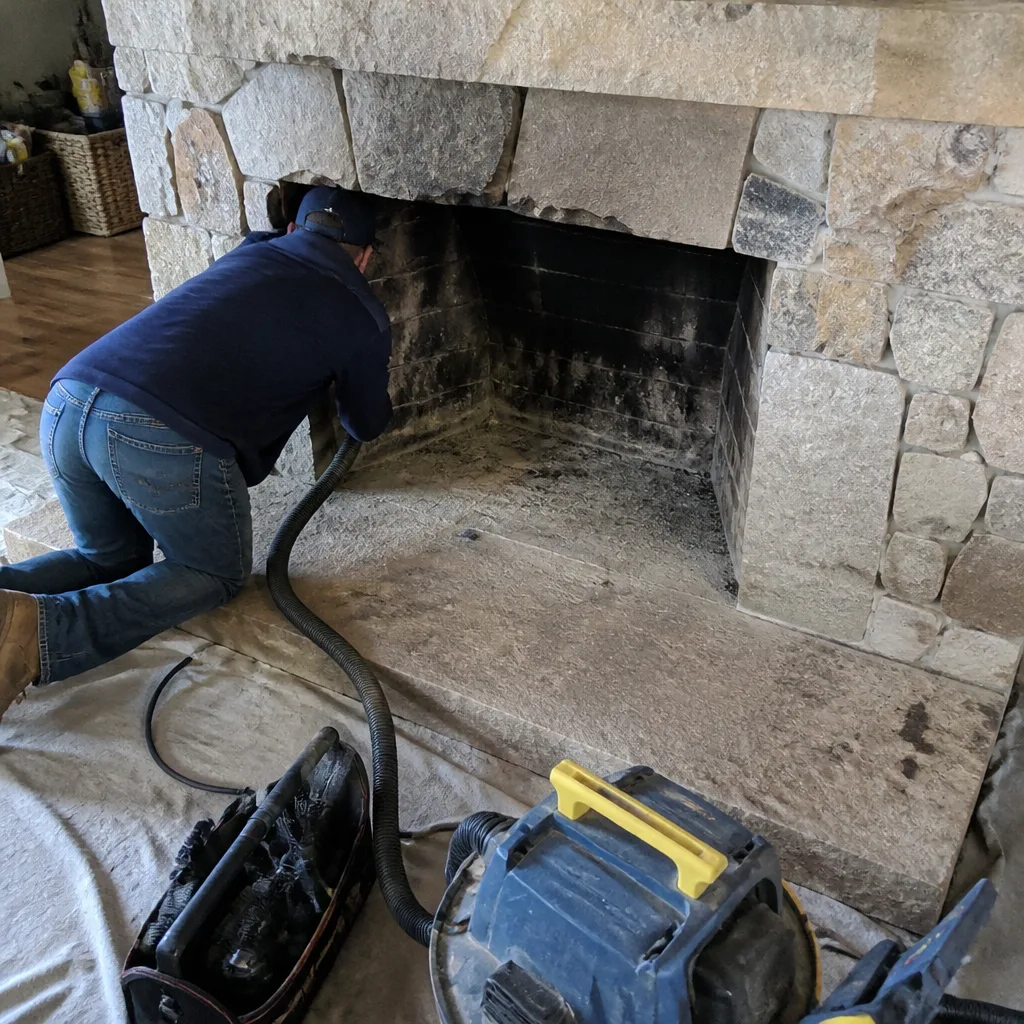 Before
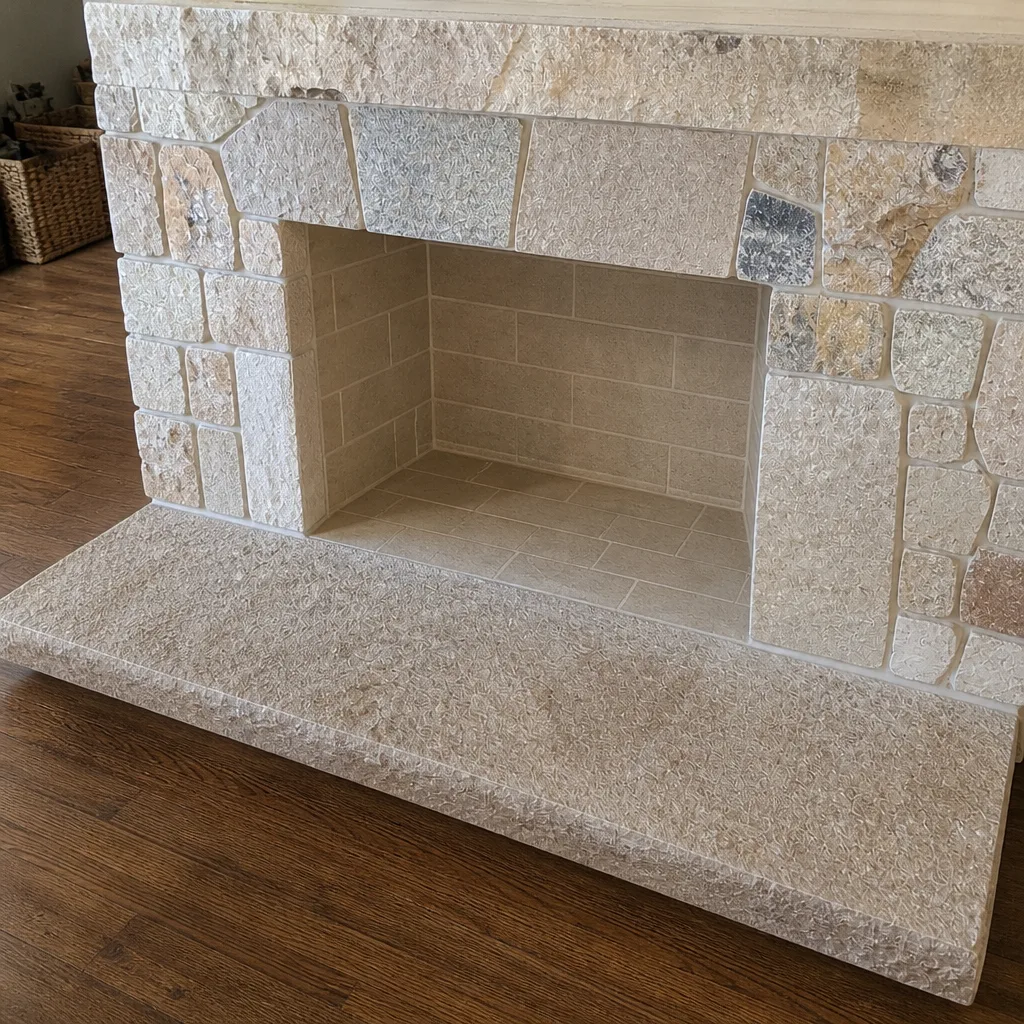 After
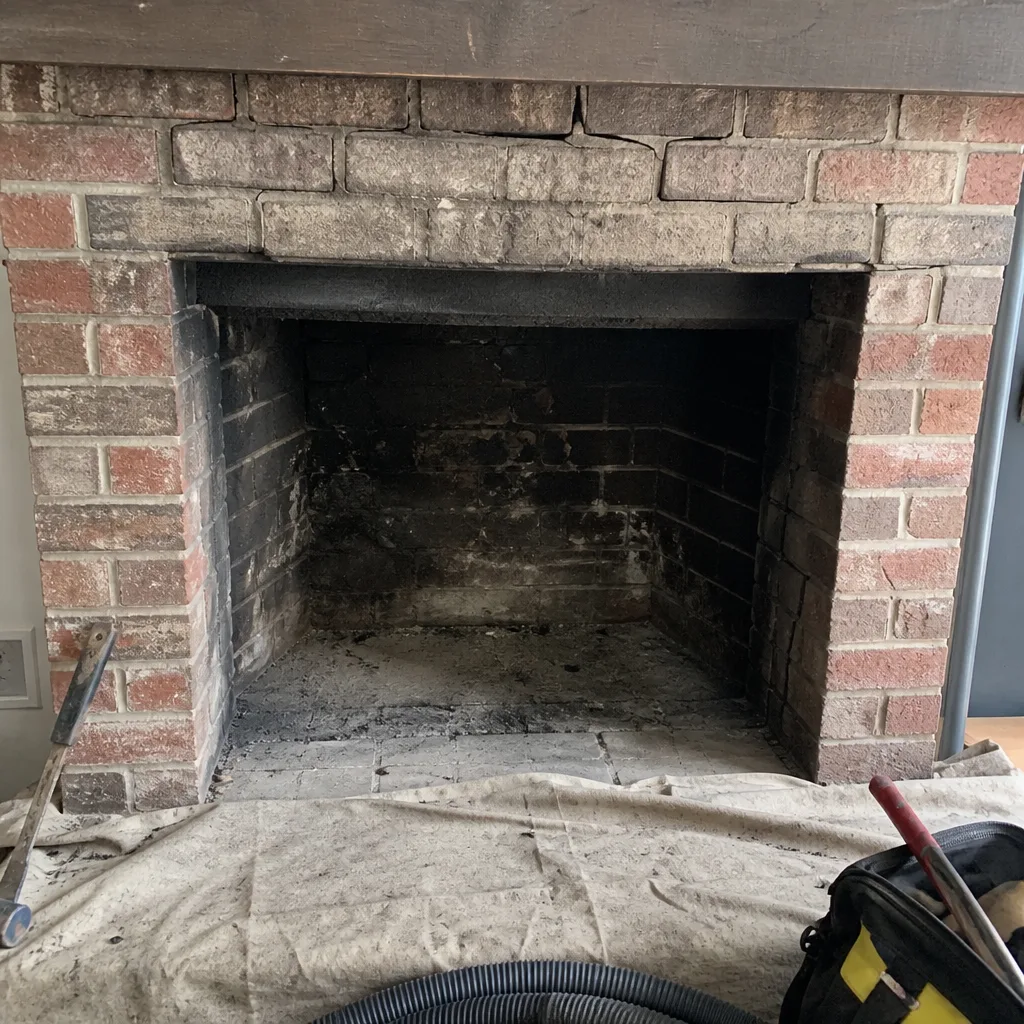 Before
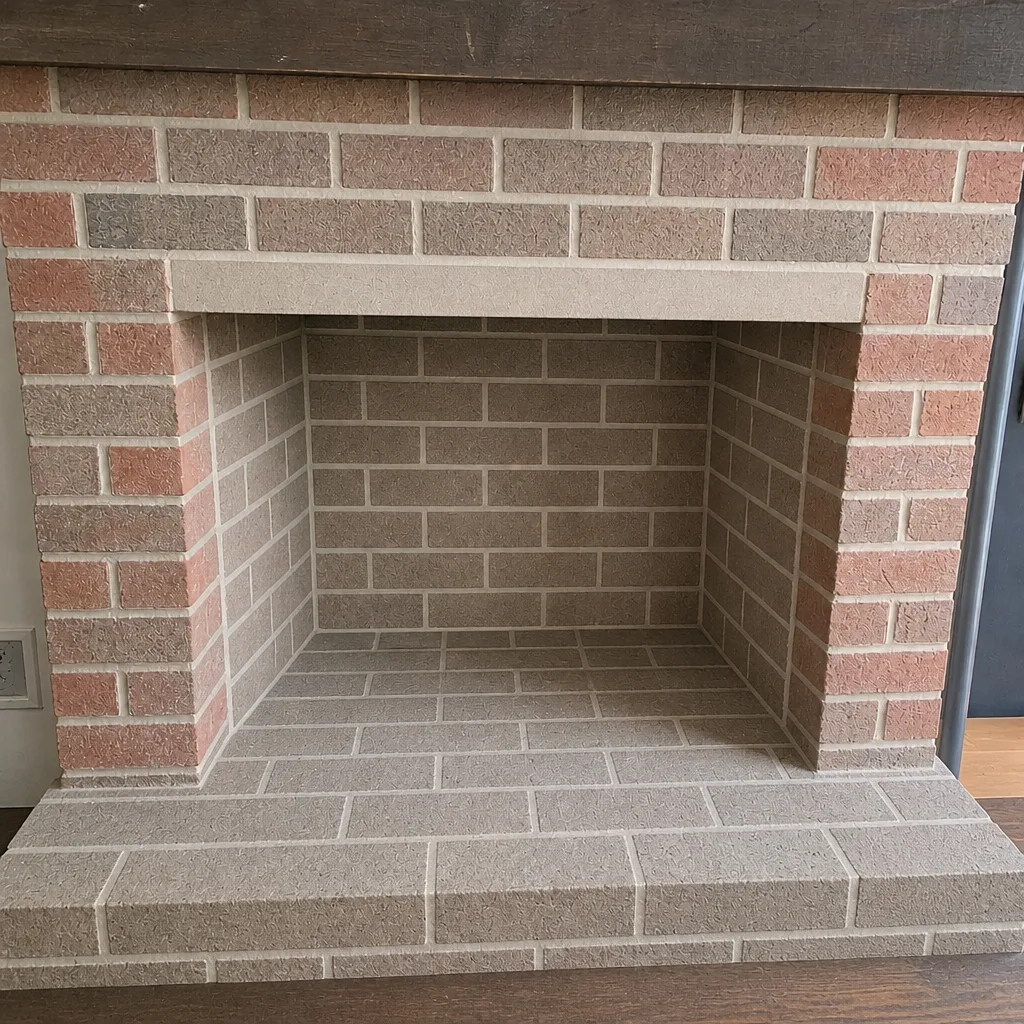 After
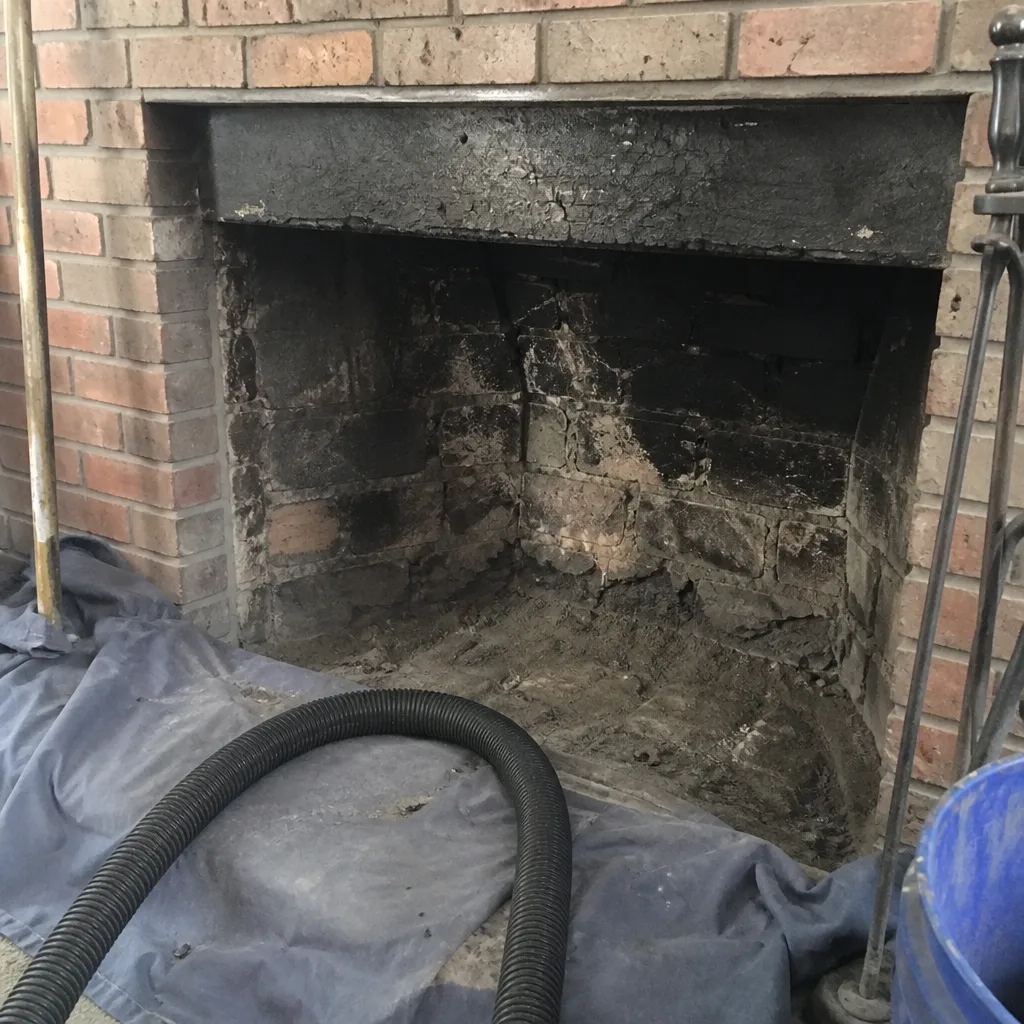 Before
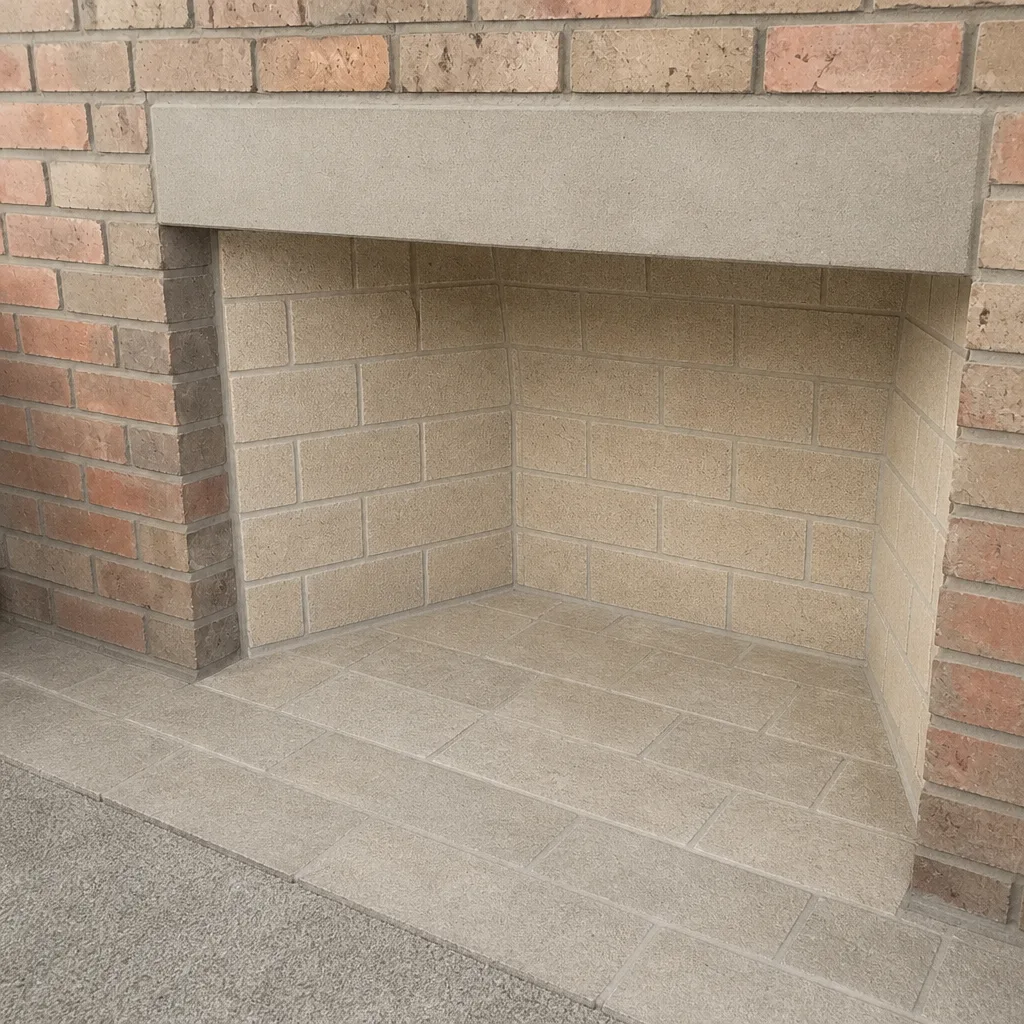 After
When to Call a Professional
Call before the heating season starts if your fireplace has run through a winter since the last sweep, if you’ve recently bought a home in Tallyn’s Reach and don’t have a recent inspection on record, or if the fireplace is part of a system you haven’t had looked at since you moved in. Call if you’ve had a chimney fire, even a small one; call if you smell smoke in the house when the fireplace is not running; call if water is showing up around the firebox or at the chimney’s base; and call if you’re seeing cracked mortar, a crumbling crown, or a missing cap from the ground. Call if the chimney smells strongly of creosote even when it’s cold. And call if you’ve never had a written post-service report on the system.
Chimney Sweep Tallyn’s Reach offers free estimates in Tallyn’s Reach: call (888) 907-4785 for a sweep, inspection, cap and crown installation, or to schedule a repair. We inspect before we recommend, every time, and you’ll see the photos before you commit to any work.
Frequently Asked Questions
Colorado doesn’t require chimney sweeps to hold a state license. That means no state exam or oversight stands between you and the technician you hire, so the vetting is yours to do. The trade’s own certification is CSIA, which is voluntary and carries an expiration date. Ask for the name of the certified technician and verify it.
Most chimneys should be swept once a year, before the heating season, and inspected at the same time. If you burn heavily through a cold Front Range winter, the sweep might come up sooner, and the technician should tell you whether creosote is building faster than the annual pace. If you burn occasionally, an annual inspection is still worth doing even when the sweep finds little.
A sweep cleans the flue and firebox of creosote and debris. An inspection evaluates the whole chimney system against the trade’s inspection standard and documents what it finds, including the cap, crown, liner, damper, smoke chamber, and firebox. They’re often done together, but they’re not the same job, and a company that offers only one has left part of the system unexamined.
The repair is needed if the technician can show you the photo or video evidence that justifies it. If they recommend liner work, they should be able to point at a specific location in the flue on the photo or video and explain what they’re seeing. If a recommendation can’t be tied to something visible, ask why. A full-system specialist will offer repair-first options, such as HeatShield resurfacing, when the flue doesn’t actually need to be replaced.
Ask about the technician’s experience, not the company’s age. Our technicians have up to 12 years of experience, for example, and that figure tells you more about the work on your roof than a company history does. Also ask which professional brands and materials they work with, since material quality is where the long-term performance of the repair lives.
Yes, and that’s the setup you want. A full-system specialist handles the inspection, the sweep, the cap and crown, and the repair as one relationship, using consistent materials and one written record. When the sweep and the repair are split between two companies, you end up with two inspections, two opinions, and no single account of what was found. If you need a chimney cap & crown installed, or the flue needs a DuraFlex liner replacement, one company doing both keeps the documentation consistent from inspection to completion. If the fireplace itself is showing damage, the same team can handle fireplace repair and connect it back to what the flue inspection showed. Our sweep and inspection services are listed on our main chimney sweep page, and everything runs through Chimney Sweep Tallyn’s Reach.
Call (888) 907-4785. We answer 24/7. Fast dispatch from 7am to 7pm, Sunday through Friday.
The Bottom Line
Hiring a chimney cleaner in Tallyn’s Reach works like this: assume the state isn’t checking, verify CSIA certification for the technician on your job, and ask the five questions that reveal whether the company does full-system work or surface-only sweeping. Get the quote after the inspection, never before. Read the line items, know what’s included, and treat the written report with photos as the deliverable you’re paying for. Repair first, replace only when necessary, and work with the brands and materials the trade actually uses. We inspect before we recommend, every time. Call (888) 907-4785 for a free estimate.
Written by the team at Chimney Sweep Tallyn’s Reach.