
Last updated November 23, 2026
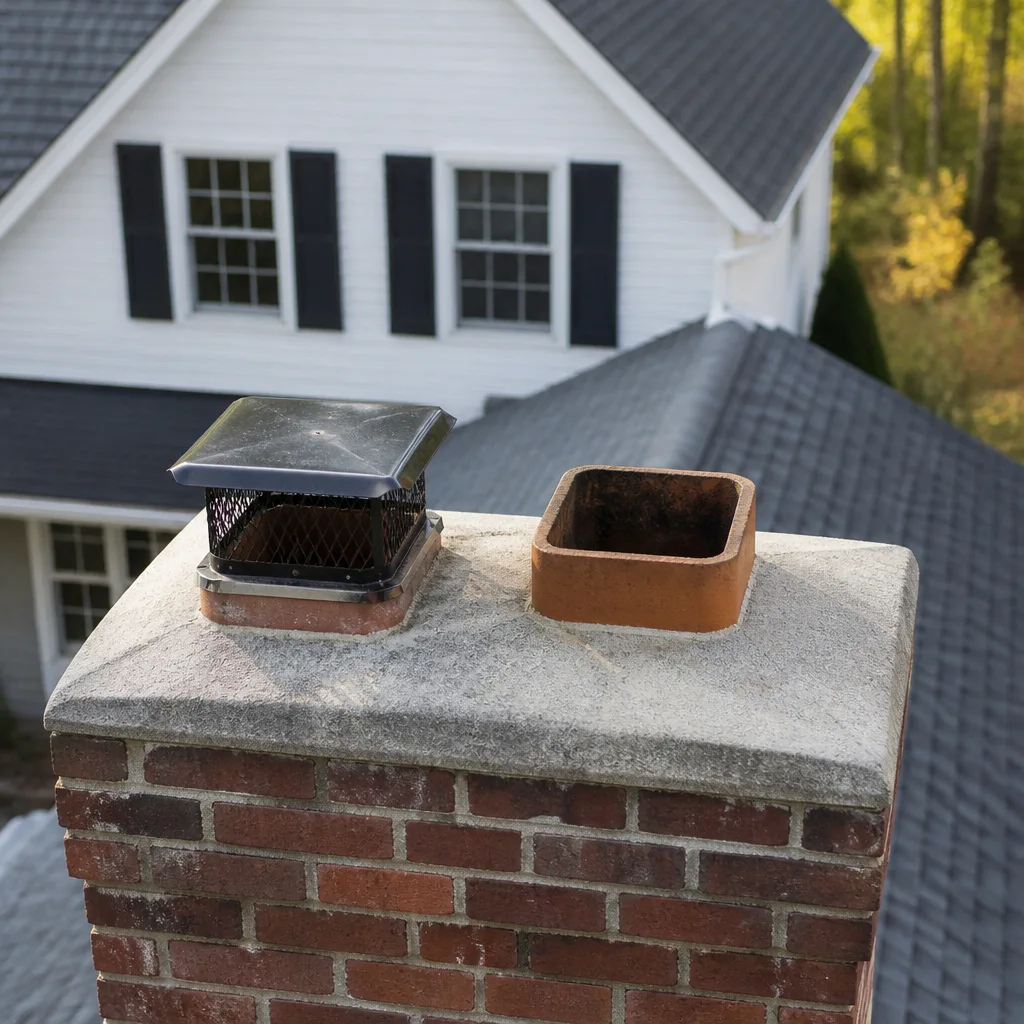 Sweep & inspection
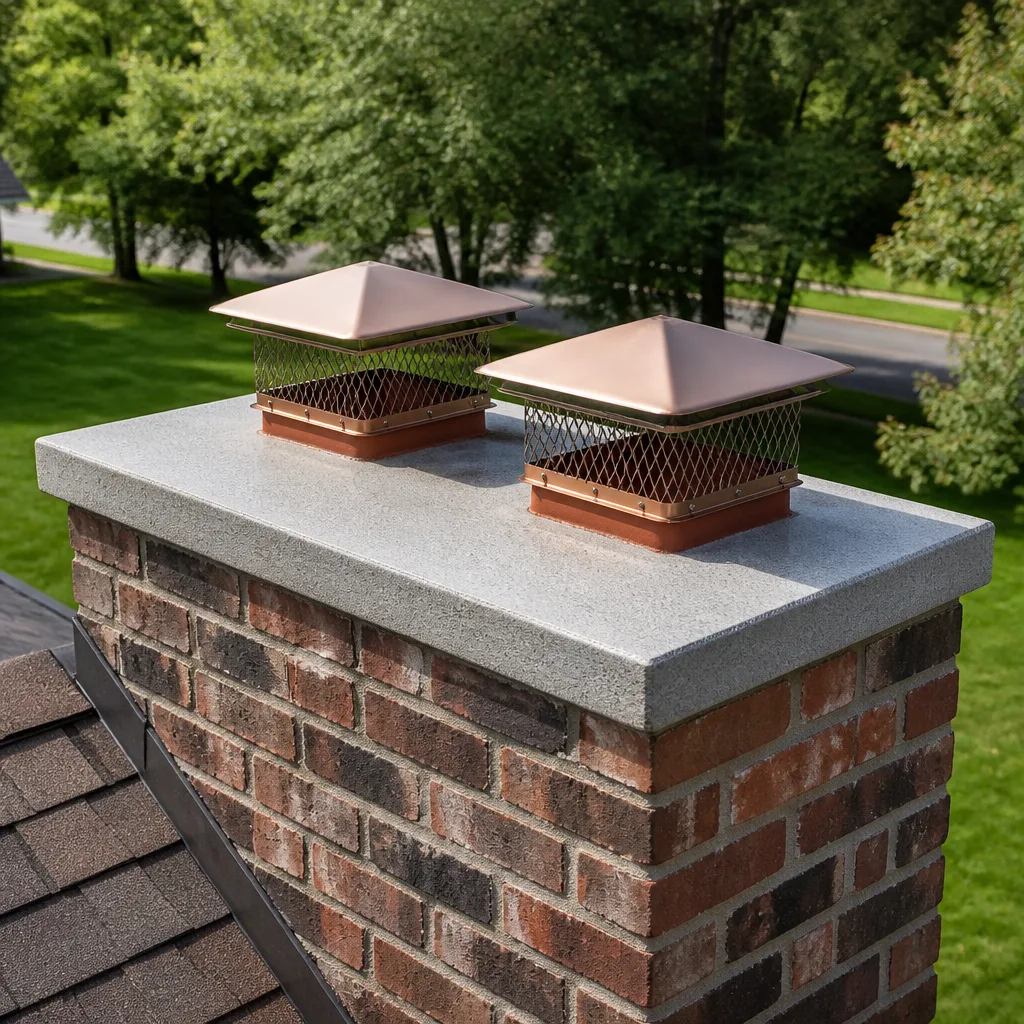 Caps & crowns
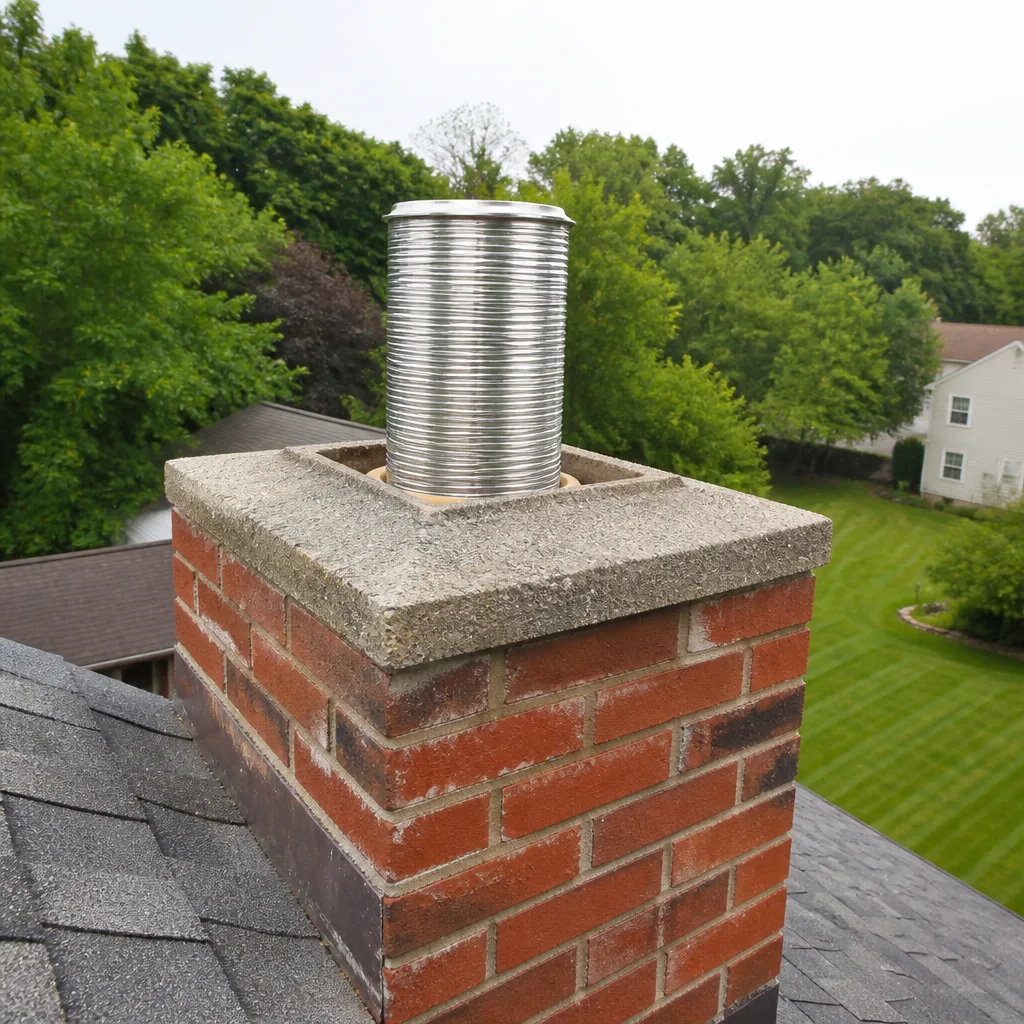 Flue relining
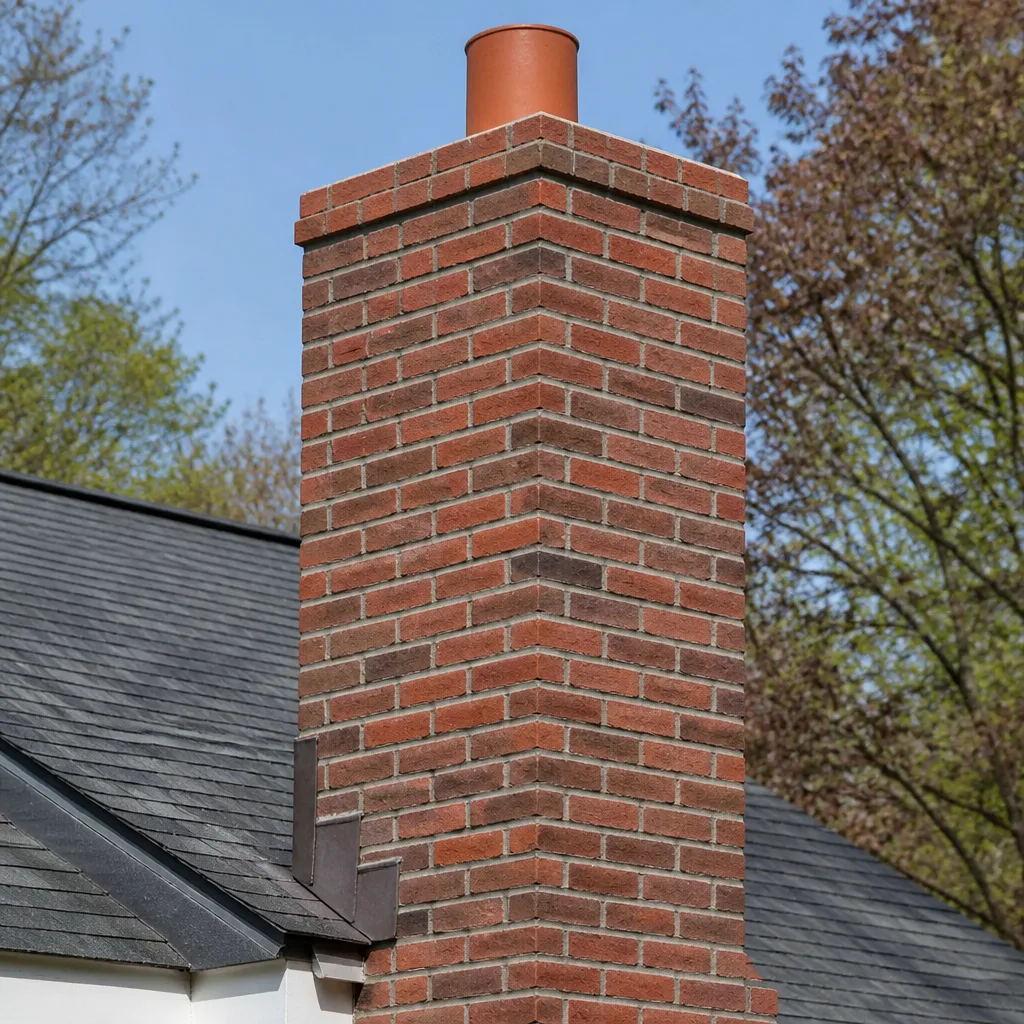 Masonry repair
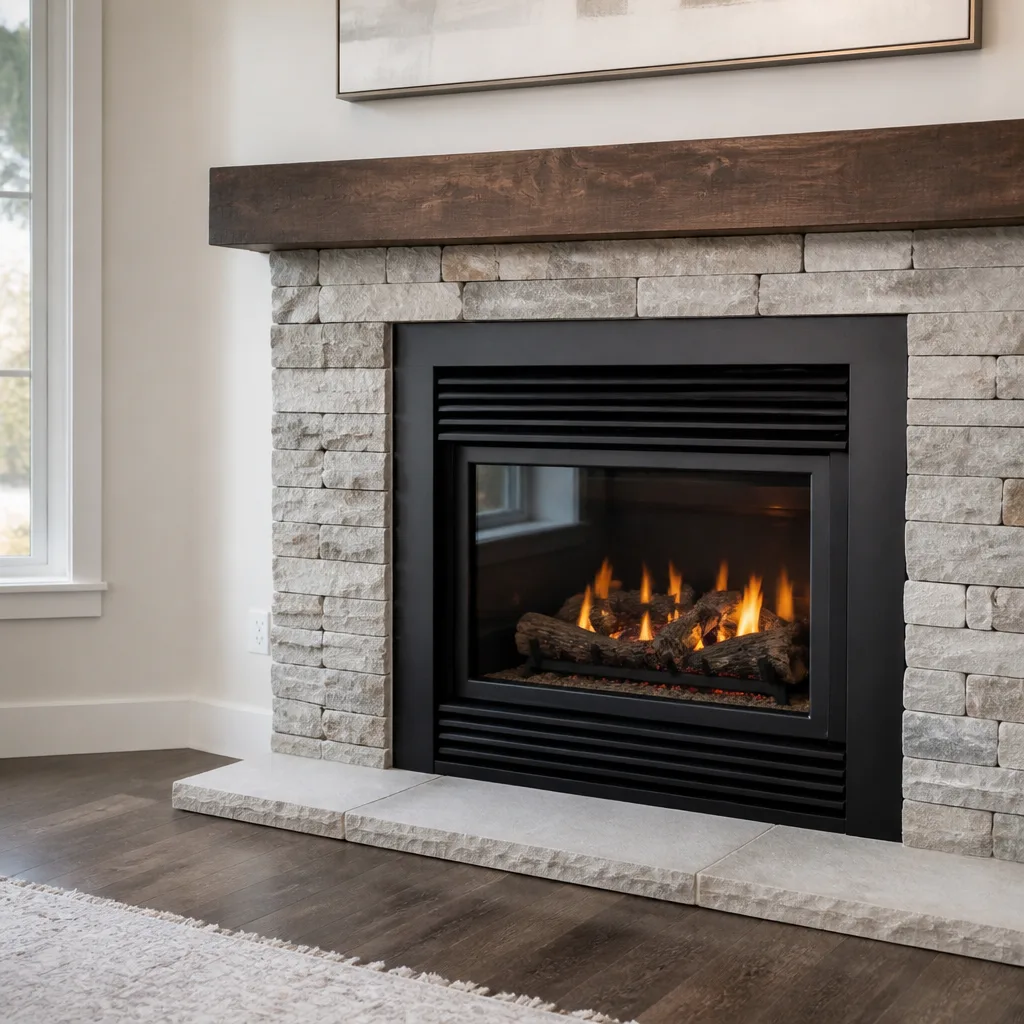 Gas fireplace service
Level 1 sweep and inspection to the NFPA 211 annual standard - flue, crown, cap, and flashing checked and photographed
Chimney sweep logs do not sweep chimneys. They loosen some creosote - which then falls where a brush and vacuum still have to collect it.
DIY vs Professional Chimney Cleaning: The Tallyn’s Reach Homeowner’s Decision Guide
You can remove surface-level soot yourself. What you can’t do is assess whether the liner behind it is cracked, and that’s the part that determines whether your chimney is safe to use. Most chimney cleaning advice on the internet treats the job as one task: brush the flue, bag the dust, done. In practice, a professional visit is two things happening at once, cleaning and inspection, and doing one without the other quietly leaves the system half-checked. This guide maps exactly where DIY chimney cleaning is reasonable, where it creates blind spots, and how a Tallyn’s Reach homeowner can make that call without guesswork.
Styles & brands we work with
- Sweep & inspection
- Caps & crowns
- Flue relining
- Masonry repair
- Gas fireplace service
Quick Answer
DIY chimney cleaning can manage light, first-stage soot in an accessible flue, but it cannot evaluate the liner, the crown, the joints, or the smoke chamber, and consumer brushes won’t remove hardened second- or third-stage creosote. Professional cleaning combines sweeping with camera-based inspection, which is what actually tells you whether the chimney is safe to burn. For most Tallyn’s Reach homes with an active fireplace, the annual visit is worth it because of the inspection, not just the brushing.
Table of Contents
- What DIY Chimney Brushing Realistically Accomplishes
- The Equipment Gap: Consumer Brushes vs Rotary Systems
- The Inspection Gap: Why You Can’t See What a Camera Sees
- When DIY Is a Reasonable Interim Measure
- When DIY Creates a False Sense of Safety
- How to Tell If a Previous DIY Clean Was Adequate
- Tallyn’s Reach Climate, Housing, and Chimney Wear
- Common Mistakes to Avoid
- When to Call a Professional
- Frequently Asked Questions
- The Bottom Line
What DIY Chimney Brushing Realistically Accomplishes
A homeowner with a polypropylene brush, a shop vacuum rated for fine ash, and a drop cloth can knock loose soot off the upper flue walls. That’s the honest scope of it. The residue you see coming down the flue after a home brushing is mostly the easiest material to move: dry, powdery soot and a bit of light flake. It makes the fireplace look cleaner and reduces some immediate smoke smell. It does not change the physical condition of the chimney.
What DIY brushing physically cannot reach or evaluate is where the real answers live:
- The smoke chamber and smoke shelf behind the damper, where creosote collects in a shape no straight brush follows correctly.
- The flue offsets and bends in older masonry chimneys, where a rigid brush skips past the corners where glazed creosote forms.
- The firebox-to-flue transition, which requires removing the damper or working around it to reach the throat.
- The crown, cap, and top-sealing surfaces, which you can only inspect safely from the roof or from above.
- The liner itself, which is the one surface that determines whether the chimney is structurally sound enough to keep using.
That last point is the crux. In our experience, homeowners who sweep their own chimney with a focus on removing soot are usually maintaining the flue they can see and ignoring the part they can’t. A cleaned chimney and a safe chimney are not the same statement. Our chimney sweep covers both parts of that equation in one visit, which is the value of a professional visit that DIY can’t replicate at home.
The Equipment Gap: Consumer Brushes vs Rotary Systems
The single biggest difference between a homeowner brush and a professional sweep setup is not the handle. It’s what the brush is doing to the creosote. Consumer brushes scrape the surface of the deposit. Professional rotary systems spin a whip or brush head at controlled speed with the right bristle stiffness for the creosote stage, cutting glazed deposits instead of sliding over them. Creosote is graded in three recognized stages, and only the first is realistically handled by hand brushing.
- Stage 1 creosote is light, flaky, and comes off easily with a standard brush. DIY can remove this.
- Stage 2 creosote is hardened, crusty, and bonded to the flue wall. It resists hand brushing and needs rotary equipment or chemical treatment to break down properly.
- Stage 3 creosote is glazed and tar-like, and it’s the stage most associated with chimney fire risk. It doesn’t respond to hand brushing at all and typically requires professional removal or liner remediation.
The equipment matters at each stage, but the bigger issue is that a homeowner can’t reliably identify which stage they’re looking at from the hearth. Glazed deposits on the upper flue are often invisible from below. A rotary setup and a trained eye together are what allow a sweep to make a proper call. That’s also why we recommend the right tooling at the recommendation stage rather than defaulting to replacement: on many chimneys, a HeatShield resurfacing application can restore a liner instead of a full replacement, and we’ve built our service around that repair-first option. Where a replacement is genuinely needed, we use DuraFlex flexible liner systems, and the cap and crown work above the flue uses Gelco and Famco ventilation components spec’d for longevity rather than entry-level parts. Our team has up to 12 years of experience with these materials across residential chimney systems, which matters because the right fix depends on what the flue is actually doing, not on what a catalog suggests.
The Inspection Gap: Why You Can’t See What a Camera Sees
Even a careful homeowner with a flashlight and a mirror cannot inspect a chimney the way a professional does. The physical constraints are the same for everyone: a flue is a vertical shaft, and the parts that fail first are typically the parts you can’t see from below. A camera inspection lets a technician feed a lens up the flue and photograph the liner walls, joints, offsets, and the transition to the smoke chamber, and then show that footage to the homeowner on a screen. That last part is important. The evidence is yours to look at.
The types of damage a visual look from the hearth misses most often:
- Hairline cracks in clay tile liners, which open under heat cycling and allow heat and gases to reach surrounding framing.
- Gaps at liner joints, where sections of clay tile no longer seal cleanly. These are invisible from below.
- Deteriorated mortar at the smoke chamber, which is one of the more common sources of smoke drafting back into a room.
- Failed crown seals and flashing gaps at the roofline, which let water into the masonry chase and corrode dampers and caps over time.
- Bird nests, soot fall, or debris shelves high in the flue that a bottom-up visual can’t confirm.
If your home is in Tallyn’s Reach and the chimney hasn’t been camera-inspected in a few seasons, that inspection is the piece of information you can’t substitute with a brush. Our full-system approach is built around that principle: we inspect before we recommend, every time. If you’ve had draft problems or a persistent smell on warm days, that’s often a sign the smoke chamber or cap assembly needs a closer look.
When DIY Is a Reasonable Interim Measure
There are honest scenarios where a homeowner brushing their own chimney between professional visits isn’t reckless. The key is being specific about which situations those are. DIY is a reasonable stopgap under these conditions:
- You’ve had a professional inspection within the last year. If a camera-based inspection confirmed the liner is sound, the crown is sealed, and the flue is in good shape, then home brushing between visits doesn’t hide anything.
- The creosote is light and first-stage only. If you can see thin, flaky deposits on accessible upper flue walls through an inspection mirror after a burn, that material is manageable with a standard brush.
- You’re burning dry, seasoned wood and cleaning frequently. Frequent light sweeping while you’re burning wood regularly reduces deposit buildup. It’s not a substitute for the annual inspection.
- The fireplace isn’t your primary heat source. A decorative or occasional fireplace carries less deposit load than a wood stove running through a Colorado winter, and the inspection interval can reflect that with professional input.
- You have safe roof and ladder access or a bottom-up brush that works cleanly. If reaching the flue top means standing on a steep roof, that’s not a DIY situation no matter what the flue looks like from below.
These are all interim measures, not a schedule. A home fireplace in Tallyn’s Reach that sees regular winter use still deserves a professional inspection at least once a season, and more often if the fireplace is a primary heat source. If you’ve been unsure what interval makes sense for your setup, our Chimney Sweep Tallyn’s Reach inspection team can help you set one based on how the flue is actually behaving, not on a generic calendar.
When DIY Creates a False Sense of Safety
Themost expensive mistake a homeowner can make with chimney maintenance isn’t failing to clean it. It’s cleaning it, feeling reassured, and skipping the inspection. A brushed flue that looks clean from below can still have a cracked liner, a failed crown, or stage 2 creosote above the smoke shelf. The fireplace burns fine, no smoke comes back, and the problem sits there.
DIY cleaning creates a genuine false sense of safety under these specific circumstances:
- The chimney has a history of chimney fire or heavy creosote. Glazed deposits at stage 3 don’t come off with a brush, and a home brushing that removes only the top layer leaves the dangerous material in place.
- The liner is clay tile in an older masonry chase. Tile liners are the most common place to find hairline cracks that only a camera catches, and heating a cracked liner repeatedly is a real safety issue.
- You’re seeing draft problems, smoke roll-back, or odor. Any of those symptoms is worth a professional look before another burn, not a home brushing and a hope.
- The chimney hasn’t been inspected in several seasons. Deposit buildup is one issue; structural condition is another, and only an inspection can tell you about the second.
- You’ve converted from wood to gas, or installed a new insert or stove. Conversions change what the flue needs, and the sizing and materials that matter here are not a DIY call.
Firebox and liner work in particular is not a DIY repair. The clearances, the material rating, and the venting design each affect how the system performs, and getting any of them wrong is worse than leaving the chimney alone until a professional can look at it. If your fireplace needs work beyond cleaning, our fireplace repair team handles the interior firebox and damper side of the system with trade-specific materials.
How to Tell If a Previous DIY Clean Was Adequate
If you’ve been sweeping your own chimney for a while, you may be wondering whether you’ve been doing it well enough. There are a few practical signals that tell you whether the last clean covered the real work or left conditions the next visit should look at. None of these are a substitute for a camera inspection, but they’ll help you know when to schedule one.
- Look up the flue from the firebox with a strong light. If you can see visible tar-glaze or crusted deposits on the upper walls, previous cleanings stopped at the surface material and left stage 2 or 3 creosote behind.
- Check the damper and smoke shelf. Soot accumulating there is normal; hardened, sticky deposits are not, and they suggest the smoke chamber hasn’t been properly swept.
- Inspect the firebox seams and mortar. Loose or missing mortar at the firebox floor is a structural issue unrelated to brushing and needs a professional look regardless of how clean the flue appears.
- Watch for smoke smell on warm, still days. Persistent odor between burns often means deposits remain in the smoke chamber or on the damper, which is a spot a home brush rarely reaches cleanly.
- Note whether smoke drafts cleanly on startup. Backdrafting on fire-up is a classic sign that something in the upper flue or the cap assembly is obstructed, not simply dirty.
One underappreciated issue: a clean-looking cap doesn’t mean the mesh is intact. A cap that has lost its screen lets birds and debris in, and that debris collects on the smoke shelf. Cap and crown work is a dedicated part of what we do, and if your cap looks undersized or aging, chimney cap & crown work is worth discussing before another season of burning.
Tallyn’s Reach Climate, Housing, and Chimney Wear
Tallyn’s Reach sits on Colorado’s Front Range, and that geography changes how chimneys wear. Winter temperatures swing hard between daytime and overnight, and that daily expansion and contraction cycle works on masonry joints differently than a steady cold would. Crowns, in particular, take a beating from freeze-thaw movement, and hairline cracks at the crown are one of the more common causes of water entry we see in the area. Once water gets behind a crown, it finds its way down into the chase, corrodes dampers, and destabilizes mortar at the smoke chamber. A home brushing won’t touch any of that.
The housing mix in Tallyn’s Reach includes newer construction with factory-built fireplaces running stainless liners, and older homes with masonry chases lined with clay tile. Both types have real maintenance needs, but they operate differently. Factory-built units have their own venting requirements and liner ratings that a homeowner is unlikely to know without documentation. Masonry chases are more likely to have accumulated multi-stage creosote by the time they’re camera-inspected. Matching the right repair to what the chimney actually needs is the whole point of professional inspection, and it’s why we keep HeatShield and DuraFlex in the toolset, along with Olympia Chimney and Copperfield products where a full liner replacement is the right answer. Repair first, replace when necessary.
Firewood source matters too. Splitting and stacking habits, whether you’re burning seasoned hardwood or damp wood, and how often the fireplace runs through a cold stretch all affect deposit timing. A house burning a few cord a year will see different creosote profiles than one burning only on weekends. Those are the details a professional visit will nail down with you, and they’re the real basis of any honest cleaning schedule in Tallyn’s Reach.
Common Mistakes to Avoid
- Treating a cleaned flue as a checked flue. Removing soot doesn’t tell you anything about liner condition. The inspection is the part that determines whether the chimney is safe to burn.
- Brushing through a top-sealing damper. Some homeowners damage or knock loose a top-sealing damper while brushing from the roof. Those parts are difficult to get right after the fact and add cost.
- Using the wrong brush for the liner. Polypropylene brushes are right for stainless; metal brushes on a stainless liner can scratch and start pitting. Match the brush to what your liner is actually made of.
- Ignoring creosote stages. If the deposits feel like flaky soot, home brushing removes them. If they feel like tar or crust, they’re stage 2 or 3, and brushing over the top doesn’t solve the underlying problem.
- Skipping crown and cap checks because the fire burns fine. A failing crown can leak water into the chase for a full season before the fireplace starts acting up. A cap with an intact screen matters in Tallyn’s Reach for keeping birds and debris out of the smoke shelf.
- Burning green or unseasoned wood to “save money.” Wet wood produces more creosote, and stage 2 deposits build faster than most people think. This is the one DIY mistake that compounds over a full winter.
- Cleaning at the start of the season and skipping the end. Best practice is a professional inspection at the start of the burn season and a light clean after the last long stretch of use, with any structural issues handled before the next season begins.
When to Call a Professional
Call a professional when you have any of these signals: a fireplace that hasn’t been inspected in more than a year, visible deposits you can’t identify as stage 1, a fireplace that drafts poorly or smells like smoke between burns, any history of chimney fire, a conversion from wood to gas or a new insert, or a clay tile liner in an older chimney. Call before your first fire of the season, not after. Chimney Sweep Tallyn’s Reach offers free estimates in Tallyn’s Reach, and we inspect before we recommend, every time. If you’d like a camera inspection with a photo report of what we find, call (888) 907-4785 today. We answer 24/7. Fast dispatch from 7am to 7pm, Sunday through Friday.
Frequently Asked Questions
You can brush light, first-stage soot in an accessible flue yourself, but you can’t inspect the liner, crown, or smoke chamber without camera equipment, which is the part that determines whether the chimney is safe. Many homeowners who DIY the brush still need an annual professional inspection to check what the brush didn’t reach. In Tallyn’s Reach, that’s a routine service call and the manufacturer of your fireplace typically expects it as part of safe operation.
Once per year for a wood-burning fireplace that sees regular use, and more often if it’s a primary heat source or you’ve been burning a lot of damp wood. Gas fireplaces usually need inspection annually too, even if the flue stays cleaner. Set the actual interval based on what a camera inspection shows, not a generic calendar.
Stage 2 and stage 3 creosote on the upper flue walls, deposits in the smoke chamber and around the damper, and debris shelves at flue offsets. Consumer brushes scrape the surface but don’t cut hardened deposits the way a rotary system does. If the flue has been in heavy use, the deposit profile above the smoke shelf is almost always the part home brushing misses.
No, because a gas fireplace needs inspection rather than sweeping, and the risks are different from wood. Gas units can have blocked venting, corrosion at the flue top, and damper issues a homeowner can’t evaluate from the firebox. Annual inspection is the safe baseline for a gas fireplace in Tallyn’s Reach, and it’s not a task most homeowners can substitute at home.
Then a light home brushing between visits is reasonable as long as you know the liner and crown were confirmed sound. Keep the camera inspection report from the last visit so you can reference it, and call a professional if the fireplace starts drafting differently. If the report flagged anything to watch, follow up on it before the next burn season rather than relying on a brush to fix it.
You only need a new liner if the camera shows cracks, gaps, or deterioration that HeatShield resurfacing can’t safely address. Ask to see the footage. Our position is repair first and replace only when necessary, and on many chimneys a HeatShield resurfacing application restores a damaged liner without a full replacement. If the liner is genuinely sound, there’s nothing to replace, and the report will show you that too. Call (888) 907-4785 for an exact quote if you want a second opinion on your system.
The Bottom Line
DIY chimney cleaning isn’t irresponsible, but it covers one part of what a professional visit does. You can brush surface soot; you can’t evaluate your liner with a camera, identify the creosote stage, or confirm your crown and cap assembly are intact. That’s the real trade-off, and it’s the reason the annual visit is worth scheduling in Tallyn’s Reach even if you’ve been diligent with the brush. Cleaning that hides a problem is worse than cleaning that catches one. Call (888) 907-4785 for a free estimate, camera inspection, and a written report of what’s actually going on inside your flue. We answer 24/7. Fast dispatch from 7am to 7pm, Sunday through Friday.
Written by the team at Chimney Sweep Tallyn’s Reach.
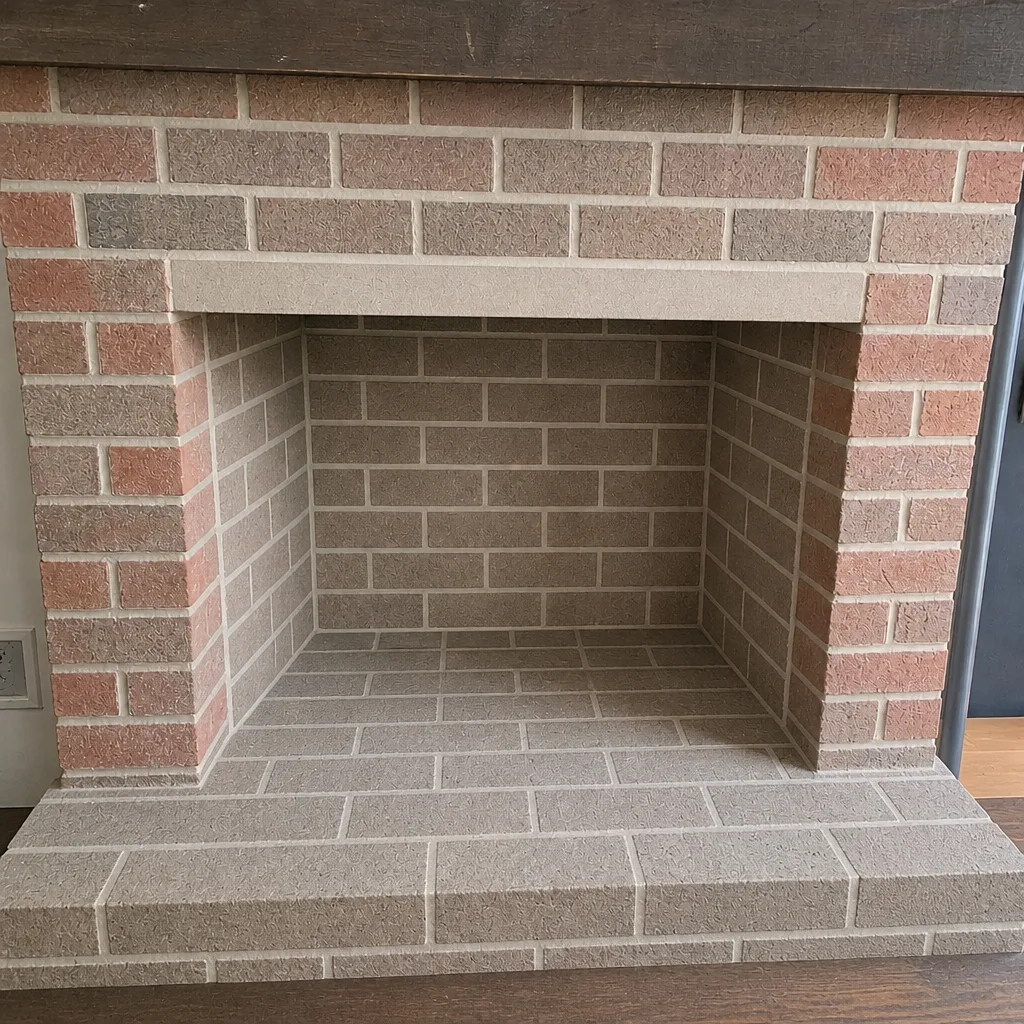
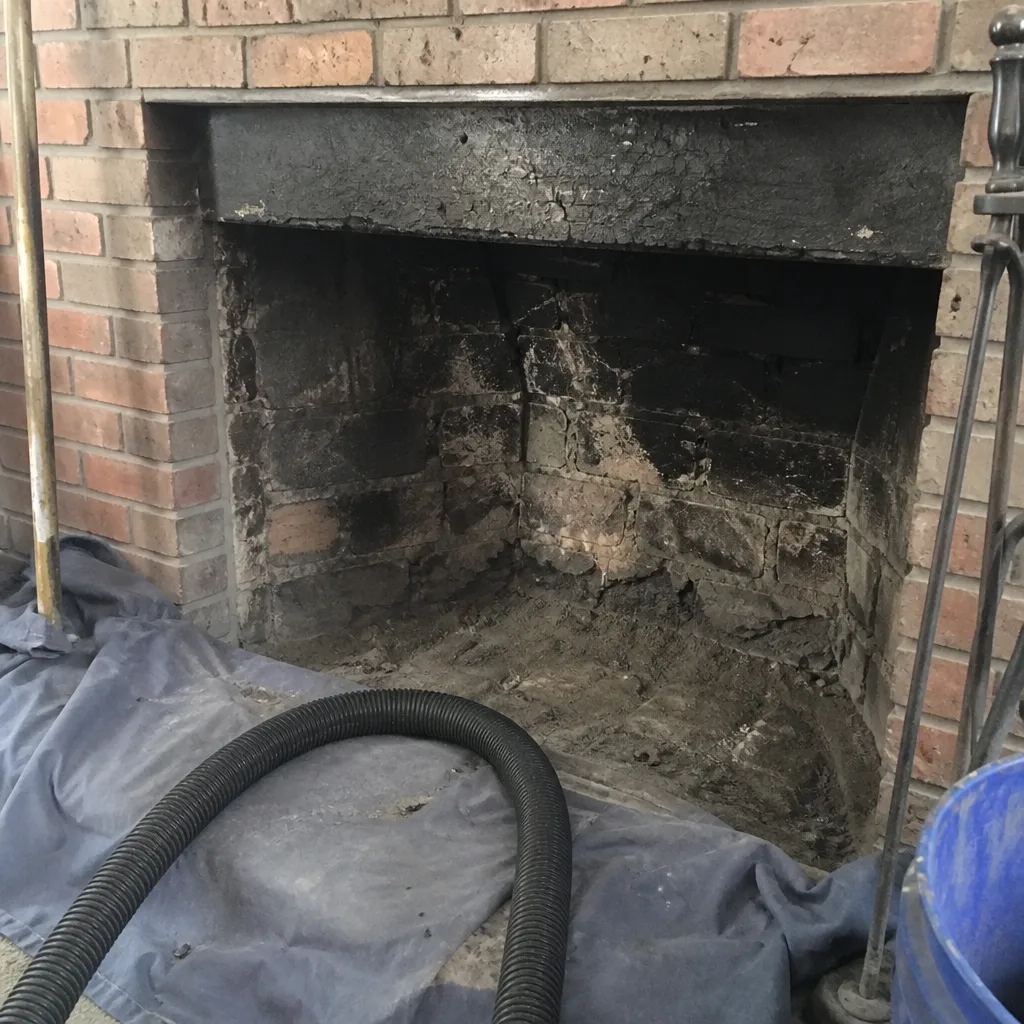
See the difference
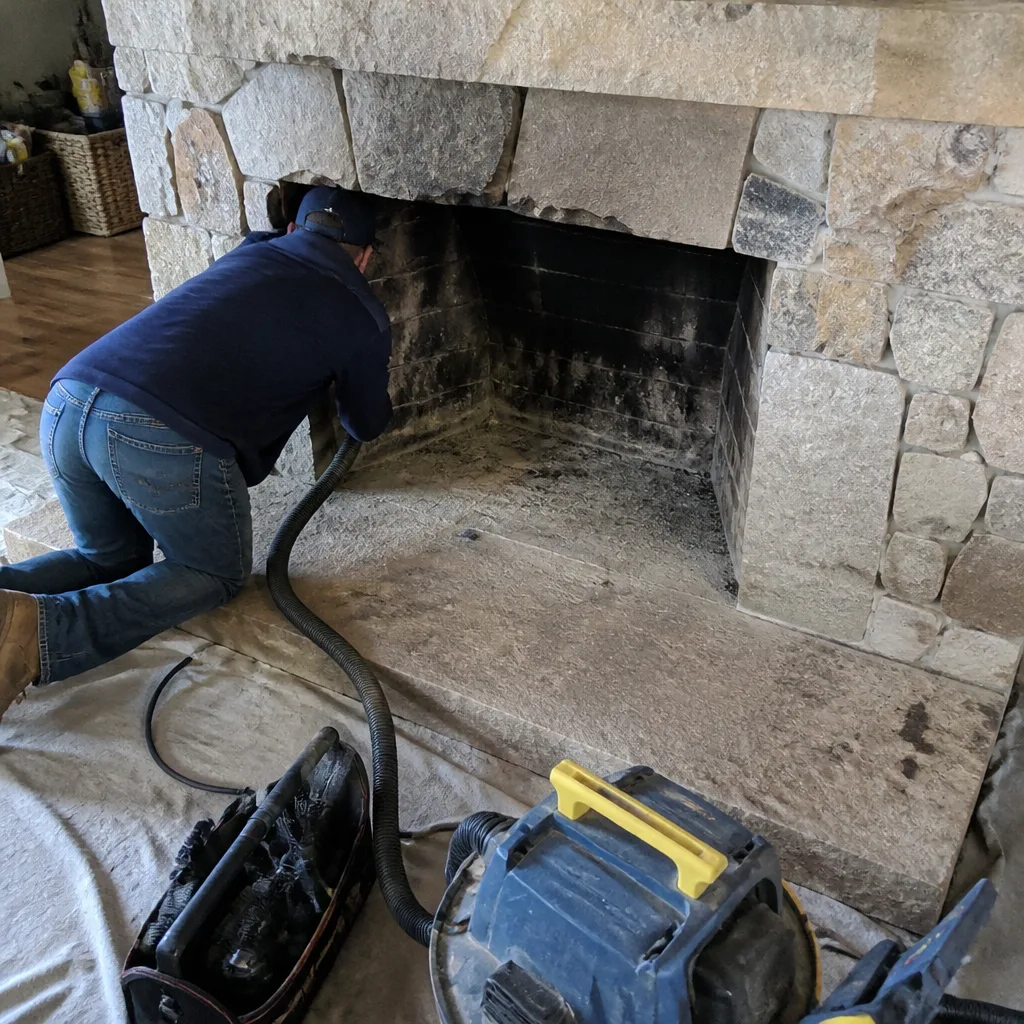 Before
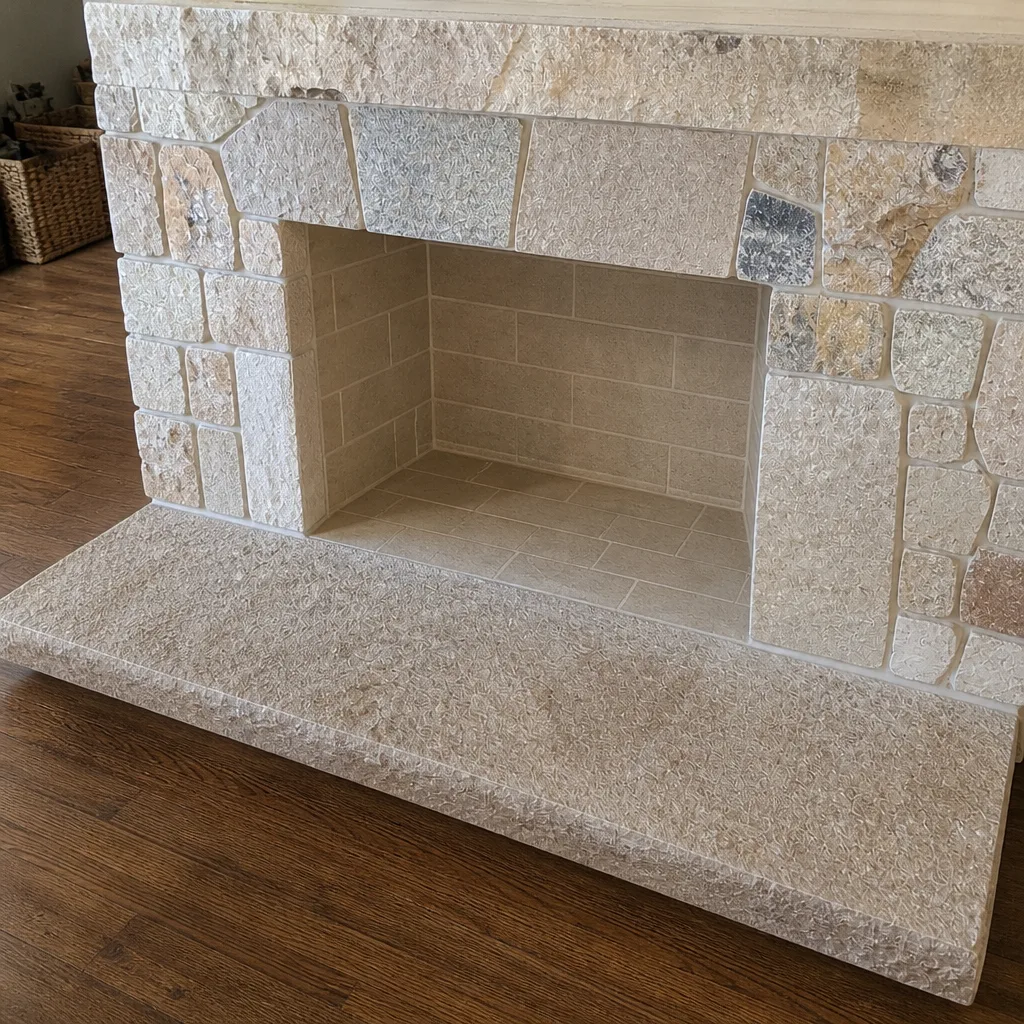 After
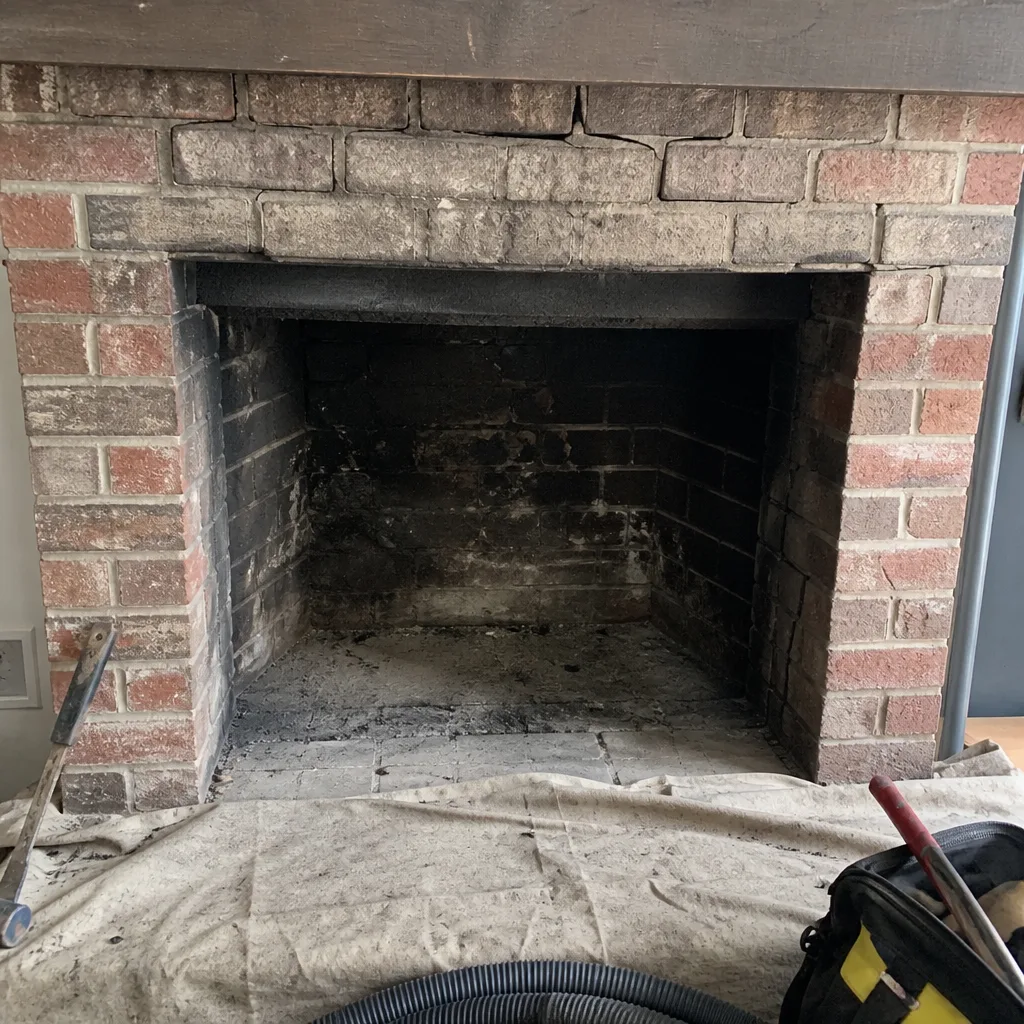 Before
 After
 Before
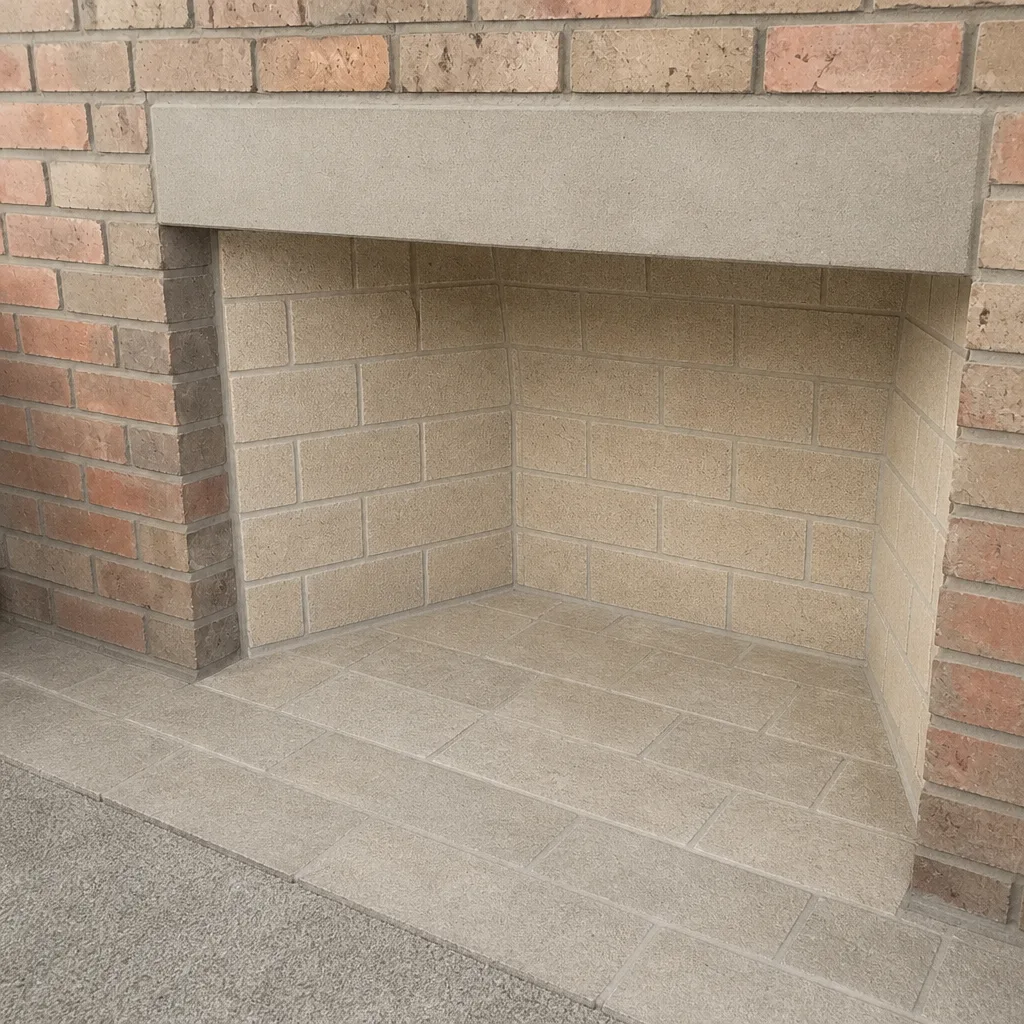 After