
Last updated November 23, 2026
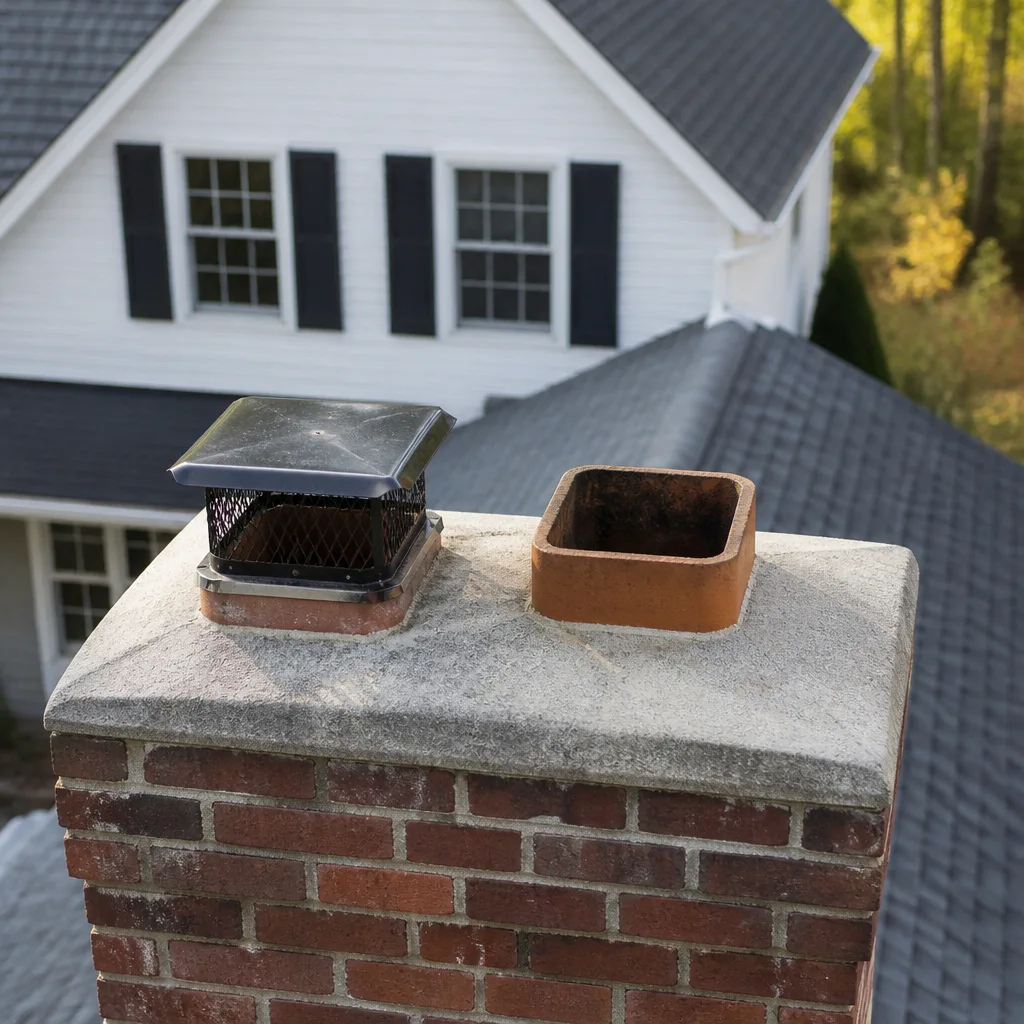 Sweep & inspection
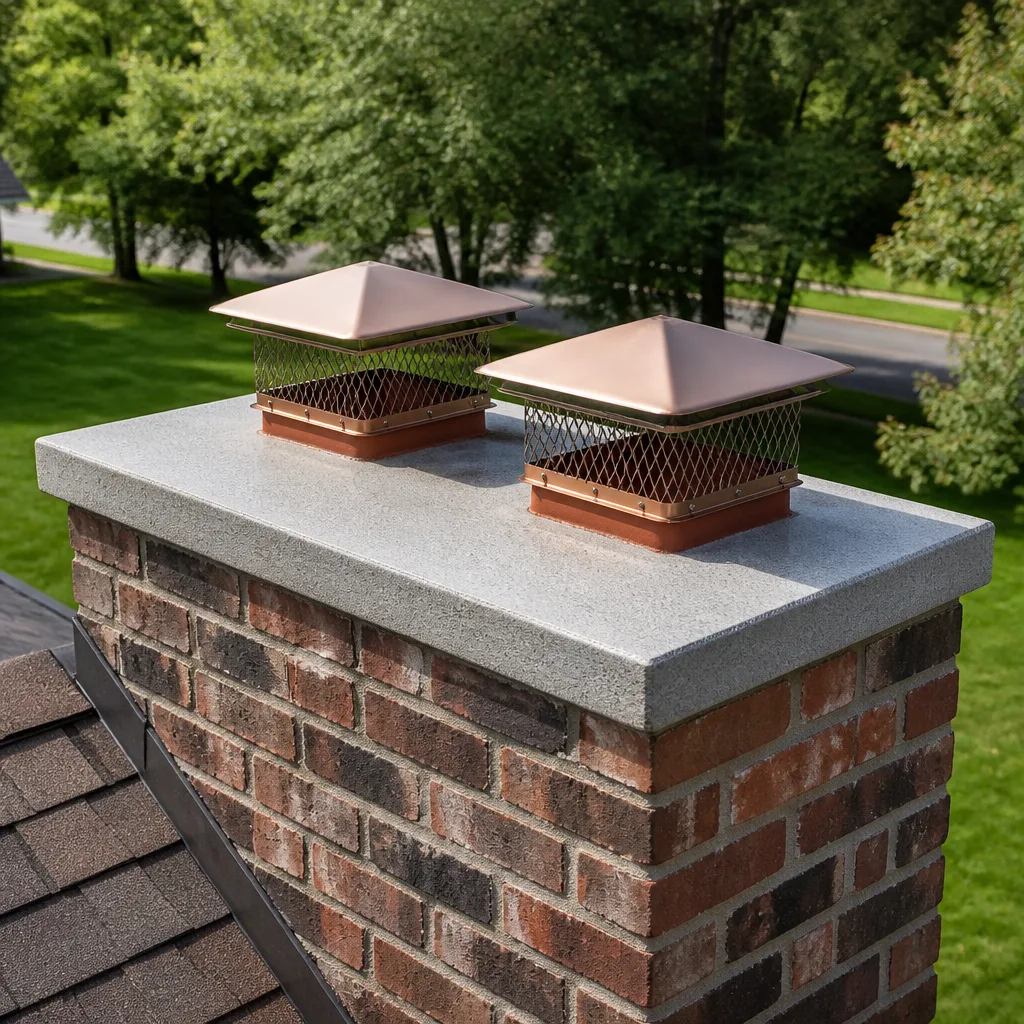 Caps & crowns
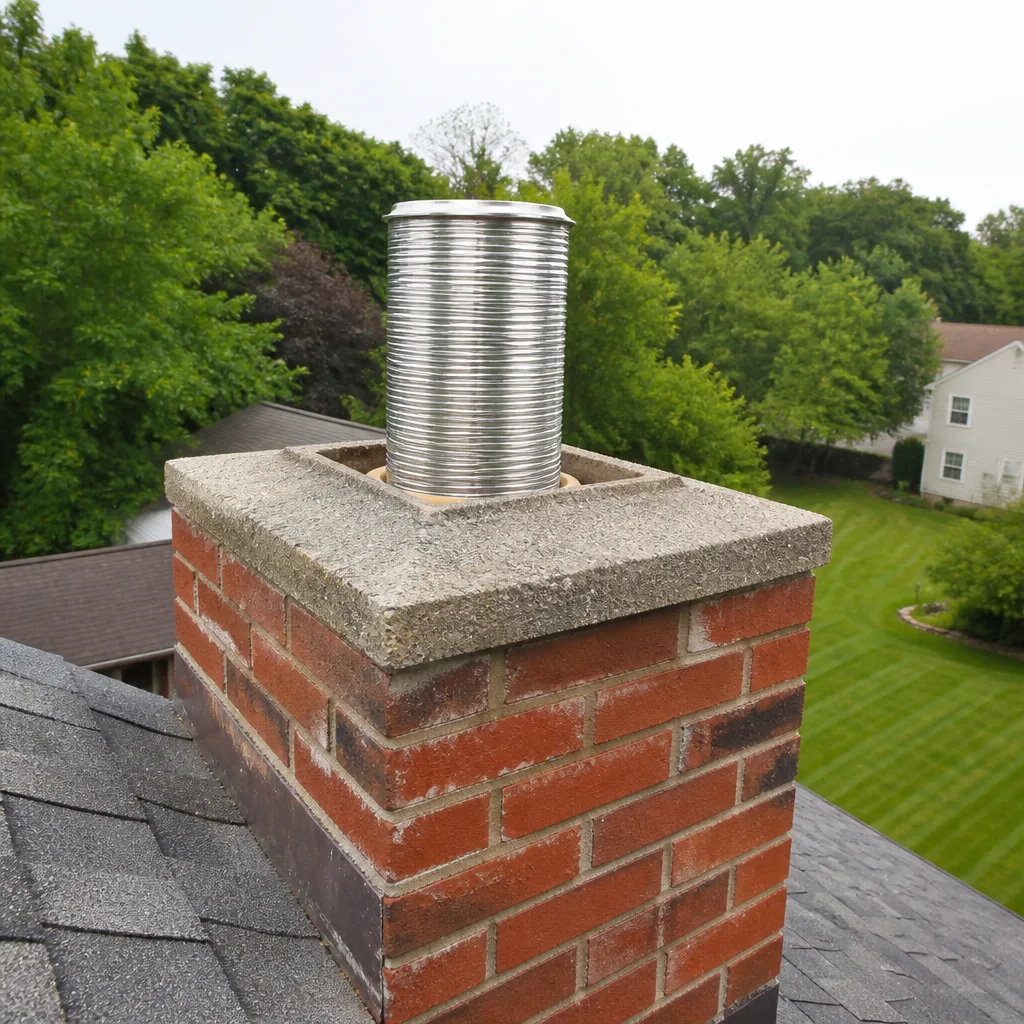 Flue relining
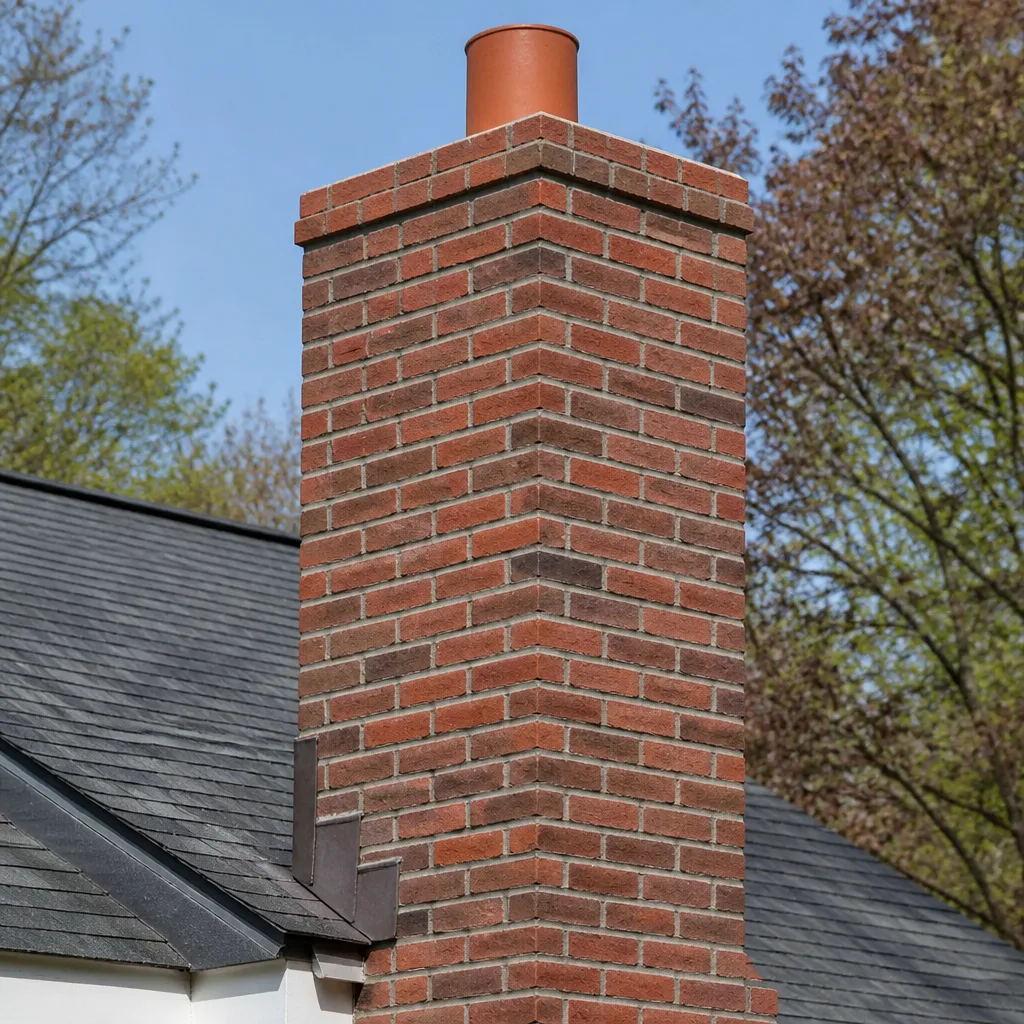 Masonry repair
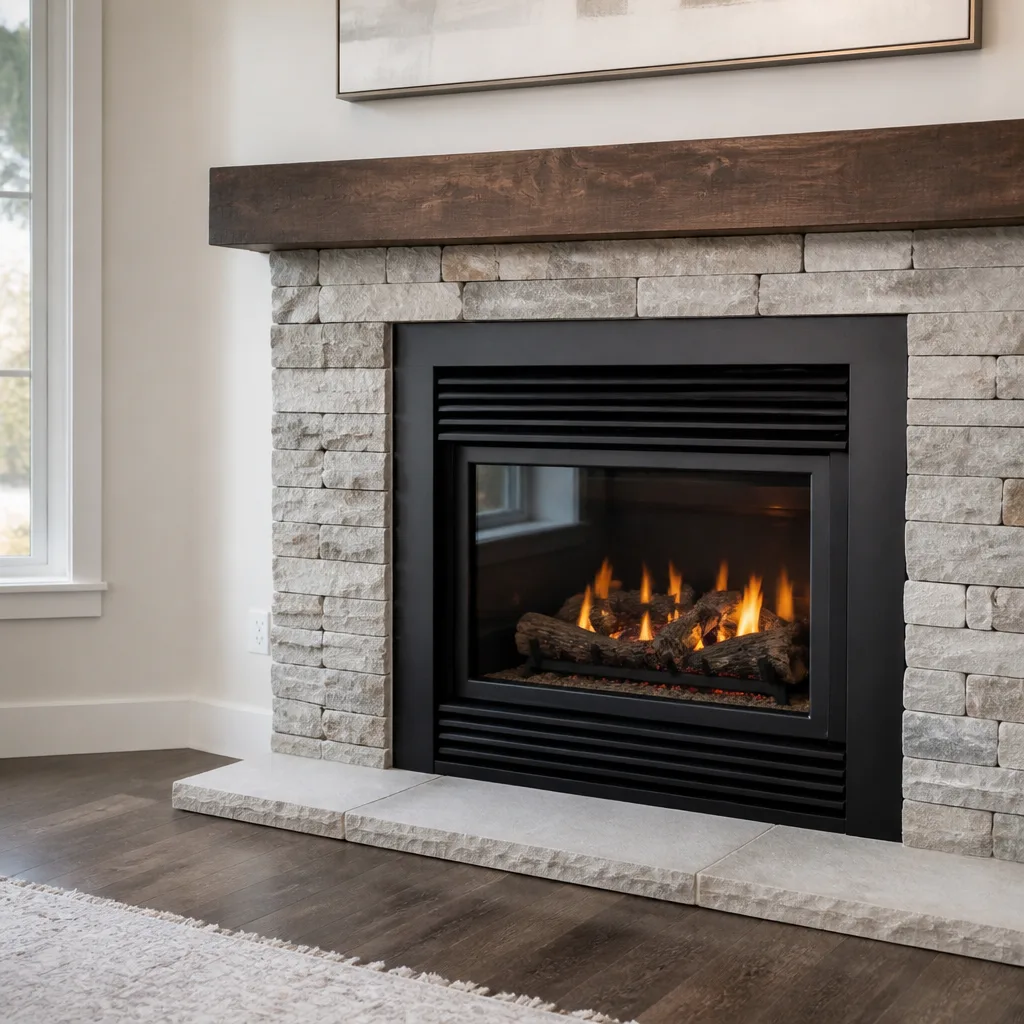 Gas fireplace service
Level 1 sweep and inspection to the NFPA 211 annual standard - flue, crown, cap, and flashing checked and photographed
Chimney sweep logs do not sweep chimneys. They loosen some creosote - which then falls where a brush and vacuum still have to collect it.
Chimney Sweep Maintenance Checklist for Tallyn’s Reach Homeowners
Most homeowners in Tallyn’s Reach watch the wrong part of their chimney. The firebox and the visible brick get all the attention, but the components that actually fail first here are the ones nobody photographs: the crown up top, the cap, the flashing where the chimney meets the roof. Colorado’s freeze-thaw cycle does its quiet work on those parts through the winter, and two seasons later you’re looking at a liner problem that started as a hairline crack you couldn’t see. This guide walks through a component-by-component checklist you can actually use, sorted by what degrades in what order, and built so you can track your chimney’s condition year over year.
Quick Answer
A sound chimney maintenance checklist for a Tallyn’s Reach home covers six components in order of failure risk: cap, crown, flashing, liner, smoke chamber, and firebox. Check the cap and crown visually before each burn season, do a mid-winter look at the firebox and flue, and schedule a professional inspection after the heating season to catch freeze-thaw damage before it reaches the liner.
Styles & brands we work with
- Sweep & inspection
- Caps & crowns
- Flue relining
- Masonry repair
- Gas fireplace service
Table of Contents
- Why Colorado Chimneys Age Differently
- The Component-by-Component Checklist
- What You Can Safely Check Yourself vs. What Needs a Pro
- Seasonal Timing for Tallyn’s Reach Homes
- How to Log Your Findings Year Over Year
- The Maintenance Items That Void Prefab Fireplace Warranties
- Common Mistakes to Avoid
- When to Call a Professional
- Frequently Asked Questions
Why Colorado Chimneys Age Differently
The single biggest factor in how fast a chimney in Tallyn’s Reach degrades isn’t the wood you burn or the age of the house. It’s the number of freeze-thaw cycles the masonry goes through each winter. Water gets into a masonry joint, a pinhole in the crown, or a cracked mortar bed. Night temperatures drop below freezing, the water expands, and the crack widens. Daytime sun softens the ice, water seeps deeper, then refreezes that night. Repeat this fifty or sixty times between November and March, and a hairline you’d never notice in October becomes a real problem by spring.
Tallyn’s Reach sits in a region that swings hard between warm afternoons and cold nights. That swing is what does the damage. Chimneys in wetter, milder climates often hold up longer simply because they aren’t cycling through those expansions every week of the winter. In our experience, this is why post-season inspections matter more here than pre-season ones. The damage is done during the heating months; the catch happens right after.
The other local factor is how tightly modern Tallyn’s Reach homes are built. Newer construction here is engineered airtight, which means the chimney competes with exhaust fans and dryers for indoor air. That can pull combustion gases backward if the flue isn’t drafting correctly, and it’s one reason a professional inspection is not just about creosote buildup. The chimney is part of the house’s pressure balance, and it has to be tested, not just looked at.
- Freeze-thaw cycling stresses masonry every winter, not just in severe cold
- Tight modern construction affects draft and needs verifying, not assuming
- Post-season inspection catches damage the pre-season check cannot
- Sun exposure varies by roof orientation, so identical houses age differently
The Component-by-Component Checklist
This is the core of the guide. Each component below has its own failure pattern, its own early warning signs, and its own reason for being where it is in the order. Start at the top and work down; that’s the order water actually intrudes.
1. Chimney Cap
The cap sits on top of the flue and does three jobs: keeps out rain and snow, keeps out birds and squirrels, and keeps sparks off the roof. It’s the most exposed component on the whole system, and it’s the one that fails first. Look for rust-through on a metal cap, cracks at the seams, and any sign that a leg has pulled loose from the flue tile. A cap that’s lifted, tilted, or missing allows direct water entry into the flue, and that’s the beginning of the chain of damage that reaches the liner. If your home needs chimney cap & crown attention, that’s a specific job, not something to fold into a general sweep.
2. Crown
The crown is the concrete slab at the very top of the masonry that sheds water off the sides of the chimney. It sits right behind the cap in failure order because the same freeze-thaw cycle that cracks mortar also cracks the crown, especially where it meets the flue tile. A crown with a crack wider than a fingernail – or one that’s pulled away from the flue – is funneling water into the masonry every time it rains or snow melts. That water travels down inside the brick and reaches the interior walls, the ceiling, or the firebox framing, often months later. Repointing a crown is affordable; rebuilding a chimney that’s absorbed water for several winters is not.
3. Flashing
Flashing is the metal – usually copper or galvanized steel – where the chimney penetrates the roof. It’s the joint between the roof shingles and the chimney, and it’s the most common source of leak complaints that don’t come from the crown. Look at the flashing from the ground or from a safe window with binoculars: are the seams still tight and seated? Rusted, lifting, or missing flashing lets water straight into the roof deck. Roofing sealant slathered over the flashing is a temporary patch at best; it fails within a season or two in Colorado.
4. Liner
The liner is the passageway the smoke travels up. In a masonry chimney it’s usually clay tile; in a prefabricated fireplace it’s a metal flue. Both fail here. Clay tile cracks under the same freeze-thaw stress as the rest of the masonry, and once it cracks, gases can escape through the walls of the chimney. Metal liners on prefabs can corrode at the joints. This is where repairs get expensive, and it’s why the top-of-chimney checks matter so much. A liner that’s been protected by a good crown and cap lasts decades. A liner behind a failed crown can be gone in a few seasons. When a liner needs attention, we work with DuraFlex flexible liner systems for deteriorated flues, and HeatShield resurfacing when the existing flue structure can be saved rather than replaced. Repair first is our starting point.
5. Smoke Chamber
The smoke chamber is the tapered space just above the firebox, where smoke is compressed before it enters the flue. Its walls are usually corbelled brick, rough and uneven, which traps creosote. A smoke chamber that’s coated with tar-glaze creosote is a fire hazard and a performance problem – smoke rolls back into the room because the chamber can’t move it efficiently. Homeowners can’t see this area without reaching up inside with a light, and even then the surface is difficult to judge. It requires a professional with a camera.
6. Firebox
The firebox is the box the fire burns in, and it takes the most direct heat. Cracked firebrick, deteriorated firebox mortar, and gaps at the edges are the visible signs. Cracks in firebrick aren’t always serious, but they can allow heat to reach framing or outside the firebox. Firebox problems are also the reason we treat fireplace repair as its own category in the checklist rather than a sub-item on the sweep. If your firebox has visible cracks after a season of burning, it needs inspection before the next fire.
- Cap and crown are the two top failure points in Tallyn’s Reach
- Flashing is the most common source of interior leaks
- Cracked clay liners let gases through the chimney walls
- Smoke chamber and firebox damage are usually invisible from the room
- Every component below the cap is only as safe as the ones above it
What You Can Safely Check Yourself vs. What Needs a Pro
Most chimney work should be done by a trained technician. The exception is visual checks that require no climbing, no disassembly, and no reaching inside anything hot or confined. If you can do the check from the ground, a window, or a stable ladder position on flat ground looking up – and you’re not on the roof – it’s probably safe for you to do.
Here’s a simple split:
- Safe for you: Look up at the cap and crown with binoculars from the ground before the burn season starts. Note visible rust, cracks, or a tilted cap.
- Safe for you: Photograph the flashing from a safe window or from ground level with a zoom lens. Look for lifting or rust streaks.
- Safe for you: Look inside the firebox with a flashlight before your first fire of the season. Note any new cracks in the firebrick or crumbling mortar.
- Safe for you: Listen for a change in draft. If smoke starts rolling into the room when it didn’t before, that’s information; it means the flue or the smoke chamber has changed.
- Not safe for you: Getting on the roof. Colorado roofs are pitched, and many Tallyn’s Reach homes have steep pitches. Falls are the leading cause of serious injury on this type of work.
- Not safe for you: Reaching into the flue or smoke chamber with a brush or tool. You can dislodge a loose tile or drive a brush into a blocked flue and cause more harm than good.
- Not safe for you: Removing a cap, flashing, or crown element to “take a better look.” These are structural connections; removing them without proper sealing is how leaks begin.
- Not safe for you: Descending into or working from an attic space without proper fall protection to inspect the chimney from the inside.
In our experience, the checks a homeowner can do safely catch about half the problems, and the ones that need a pro catch the rest. Both halves matter. The value of doing the visual checks yourself is that you learn what your chimney looks like when it’s healthy, so you can spot the change when it isn’t. That change – not any single snapshot – is the signal a technician uses too.
Seasonal Timing for Tallyn’s Reach Homes
Our climate rewards a three-phase approach: prep, monitor, assess. Skip any of them and you lose the year-over-year comparison that makes a checklist useful instead of just a chore.
- Pre-burn season (late August through October): Ground-level visual check of cap, crown, and flashing. Clear any debris from the cap screen. Book the professional sweep and inspection before the first cold snap, when scheduling is calm and the technician has time to document thoroughly.
- Mid-winter (December through February): A quick look at the firebox before each fire. Listen for draft changes. If you burn wood regularly, check the creosote level in the flue opening at least once mid-season. This is not the time to schedule a full sweep; it’s the time to notice anything that needs one.
- Post-season (March through May): The most important inspection of the year in Tallyn’s Reach. Freeze-thaw damage done over the winter is visible now. Book the full inspection with camera and photo report. Any repairs indicated by the winter’s wear get done before the summer storm season, when a cracked crown can let weeks of rain into the masonry.
You’ll notice the pre-season check is the least critical of the three here. That’s not how most guides present it, because most guides aren’t written by people who work on Colorado chimneys. In areas with less freeze-thaw cycling, the pre-season sweep is the main event. In Tallyn’s Reach, the post-season inspection is. The pre-season sweep is about getting the chimney clean and ready; the post-season inspection is about catching what the winter did.
Homes in Tallyn’s Reach burn wood and gas, and the checklist timing differs slightly depending on what you use. Wood-burning fireplaces need the mid-winter creosote check. Gas fireplaces don’t produce creosote but do produce condensation that can accelerate corrosion in the flue, so the post-season check is more about metal condition than soot. Both still need the annual sweep and inspection to stay in good standing with their manufacturer’s maintenance requirements.
How to Log Your Findings Year Over Year
Here’s where most maintenance checklists fail the homeowner: they’re done once, forgotten, and redone from scratch the next year with no memory of what changed. A better system keeps a simple log. In our experience, tracking is what turns a checklist into a diagnostic tool – a technician can read a well-kept log in five minutes and spot deterioration trends that would otherwise take another season to show up.
Keep the log simple. A three-column table on paper or a notes app works. The columns:
- Date and season phase (pre, mid, or post).
- Component checked – cap, crown, flashing, liner, smoke chamber, firebox.
- Condition note – “cap intact, screen clean” or “slight rust at screws” or “new hairline at crown seam.”
- Photo reference number – save your phone photos to a folder with the date and the component name.
Two years of this log is worth more than any single inspection report. Three things change how a professional reads your chimney when they have a log: they can tell whether a crack is stable (unchanged in two years) or active (growing), whether a slight rust on the cap is progressing toward failure, and whether the liner has been slowly accumulating damage or is holding. A crack that hasn’t changed in three years might be monitored. The same crack that’s visibly larger than last year’s photo is repaired now.
When we inspect a chimney, we produce a camera report with photos you can see for yourself. The photos and the log are the same idea in two forms: visible evidence over time. That combination is what protects a homeowner from being sold repairs they don’t need, and from missing repairs that are quietly getting worse. Nothing gets recommended without camera evidence in the report. Say it that way to any chimney pro who’s inspecting your home – if they can’t show you the evidence, ask why.
The Maintenance Items That Void Prefab Fireplace Warranties
If your Tallyn’s Reach home has a prefabricated fireplace – and many newer builds here do – the manufacturer’s warranty has maintenance conditions attached. Skip them and the warranty can be voided, which is a bad position to be in if a $4,000 firebox assembly fails at year six. The maintenance conditions typically fall into three buckets:
- Annual inspection and cleaning by a qualified technician. Most prefab manufacturers require this. “Annual” means about once per year of active use; if you only burn a few fires a year, the manufacturer’s wording usually still expects a periodic inspection. Keep the receipt and the report.
- Correct fuel use. Burning trash, driftwood, construction scraps, or green (unseasoned) wood can void a warranty on both prefab fireplaces and wood stoves. The unit is engineered for seasoned firewood only.
- No over-firing. Over-firing – letting the fire get too hot – warps metal fireboxes and cracks refractory panels. Manufacturers specify temperature limits, and exceeding them is grounds to deny a claim.
The maintenance itself isn’t the part that’s easy to miss. What’s easy to miss is documentation. A warranty claim without a service record is a warranty claim the manufacturer can decline. Our technicians document every inspection with a photo report, and that report is exactly what a manufacturer wants to see if a component fails under warranty. Keep your reports with the appliance manual.
There’s a maintenance item specific to prefab units that many homeowners don’t know about: the flue cap on a prefab chimney is a fitted component, not a generic piece, and it has to be a correct match. A cap that’s the wrong fit can funnel water into the metal flue and accelerate corrosion. We use Gelco and Famco ventilation and cap components on prefabs because those products are specified for the application, not retrofit kit-of-the-week pieces. If your prefab’s cap has been replaced at some point with a generic piece and you’re not sure it’s right, that’s worth having checked.
Common Mistakes to Avoid
- Skipping the post-season inspection because “the winter is over.” In Tallyn’s Reach, the post-season check is the most important one, because freeze-thaw damage from the winter is what you’re catching. Skipping it means waiting another year to notice a crown crack.
- Sweeping without inspecting. A sweep cleans the flue. An inspection evaluates the whole system. A sweep without an inspection is like changing the oil without ever checking the brakes.
- Using sealant on the crown instead of repairing it. Silicone or roofing cement over a crown crack is a one-season patch at best. In a freeze-thaw climate, sealant cracks again within a winter and channel water deeper into the masonry. Repair the crown properly.
- Burning unseasoned or wet wood to “save money.” Green wood produces more creosote and lower heat, which means more flue deposits and more frequent sweeps. It’s a false economy that also voids some manufacturer warranties.
- Ignoring a draft change. If your fireplace used to draft cleanly and now smoke rolls into the room, something has changed. It might be the flue, the smoke chamber, or the house’s pressure balance. Don’t keep burning and hope it clears.
- Letting a general handyman do chimney work. A handyman may be talented at many things, but chimney work requires trade-specific tools, brand-specific parts, and an understanding of venting, draft, and code. The materials and the fitting matter. This is where we specialize.
- Assuming a prefab fireplace is “maintenance-free.” It’s not. Prefab fireplaces have maintenance requirements, often including annual inspection, and skipping them affects the warranty as well as the safety of the unit.
When to Call a Professional
Some conditions are clear enough that a phone call makes sense right away, no matter how long it’s been since the last inspection:
- Smoke rolls into the room when you light a fire, or the draft has changed noticeably since last season
- You can see a crack in the crown, a lifted cap, or rusted-through flashing from the ground
- There’s a strong, acrid smell in the house during a fire, or a smell of smoke in rooms without a fireplace
- You’ve burned a full season of wood and haven’t had the flue checked since last winter
- You’re buying or selling a Tallyn’s Reach home and the chimney hasn’t been inspected in the last year
- The firebox has visible new cracks in the firebrick or crumbling mortar at the joints
Chimney Sweep Tallyn’s Reach offers free estimates in Tallyn’s Reach – call (888) 907-4785. We answer 24/7. Fast dispatch from 7am to 7pm, Sunday through Friday. Every estimate is set by the written recommendation, and nothing gets recommended without a camera inspection and photo report you can see for yourself. Our technicians have up to 12 years of experience, and we work with professional-grade brands like Olympia Chimney and Copperfield on the components we install.
Frequently Asked Questions
Once a year for most wood-burning fireplaces, and more often if you burn heavily or burn unseasoned wood. In Tallyn’s Reach, we recommend scheduling the sweep before the burn season and the inspection after it, so the two jobs land in different seasons and catch different problems. Call (888) 907-4785 for an exact quote – estimates are free.
A sweep cleans the flue; an inspection evaluates the whole chimney system, including components a sweep doesn’t touch. They’re separate services and both matter. The sweep removes creosote and soot; the inspection finds cracks, flashing failures, smoke chamber glazing, and firebox damage. Call (888) 907-4785 to book either – estimates are free.
No, and prefabricated fireplaces have manufacturer maintenance requirements that can be voided if skipped. Even a lightly used chimney is exposed to freeze-thaw cycling here, which can crack the crown or liner regardless of how many fires you’ve had. Call (888) 907-4785 to book an inspection – estimates are free.
Look for rust-through on a metal cap, pulled-loose legs at the flue tile, and a tilt that isn’t perfectly level. Any of those means the cap isn’t doing its job of keeping water out of the flue. If you see them from the ground, that’s the time to call. Call (888) 907-4785 – estimates are free.
Often it can be repaired rather than replaced. HeatShield liner resurfacing can restore a flue whose clay tile has cracked but whose structure is otherwise sound; DuraFlex flexible liner systems are the option when the flue has deteriorated beyond resurfacing. We don’t recommend either without camera evidence of what’s actually wrong. Call (888) 907-4785 for an inspection – estimates are free.
Creosote accumulates – the longer it sits, the more fire risk it represents. Small cracks in the crown grow, water finds the masonry, and by the time an interior leak appears, the repair is usually several times the cost of the maintenance that would have prevented it. Call (888) 907-4785 to get on track – estimates are free.
The Bottom Line
A chimney maintenance checklist for a Tallyn’s Reach home works because it’s organized around the order in which components fail here – cap, crown, flashing, liner, smoke chamber, firebox – not around generic seasonal timing. The pre-burn check is easy; the post-season inspection is what actually protects the chimney from the winter it just finished. Keep a simple log of what you find each year, and you’ll have something a technician can use to spot trends rather than guess. If you only do one thing after reading this, book the post-season inspection. It’s when freeze-thaw damage is caught.
If you want a full-system chimney specialist to look at your Tallyn’s Reach chimney – inspection, sweep, cap and crown, and repair, all in one relationship – call (888) 907-4785 for a free estimate. We inspect before we recommend, every time. You’ll see the camera evidence in the report, and you’ll know exactly what the written estimate covers before any work begins. The same company that inspects you is the company that repairs you, with professional-grade materials from brands chimney specialists actually use.
Call (888) 907-4785. We answer 24/7. Fast dispatch from 7am to 7pm, Sunday through Friday.
Written by the team at Chimney Sweep Tallyn’s Reach.
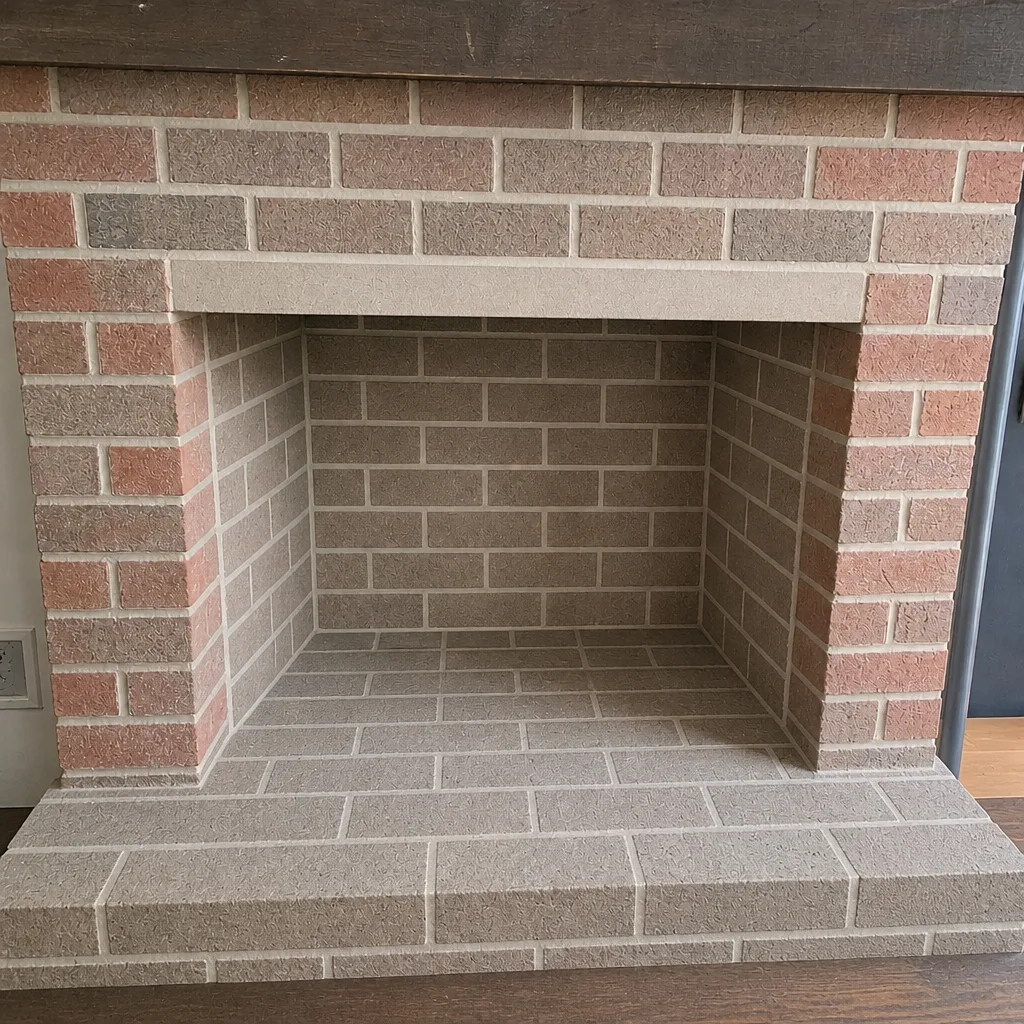
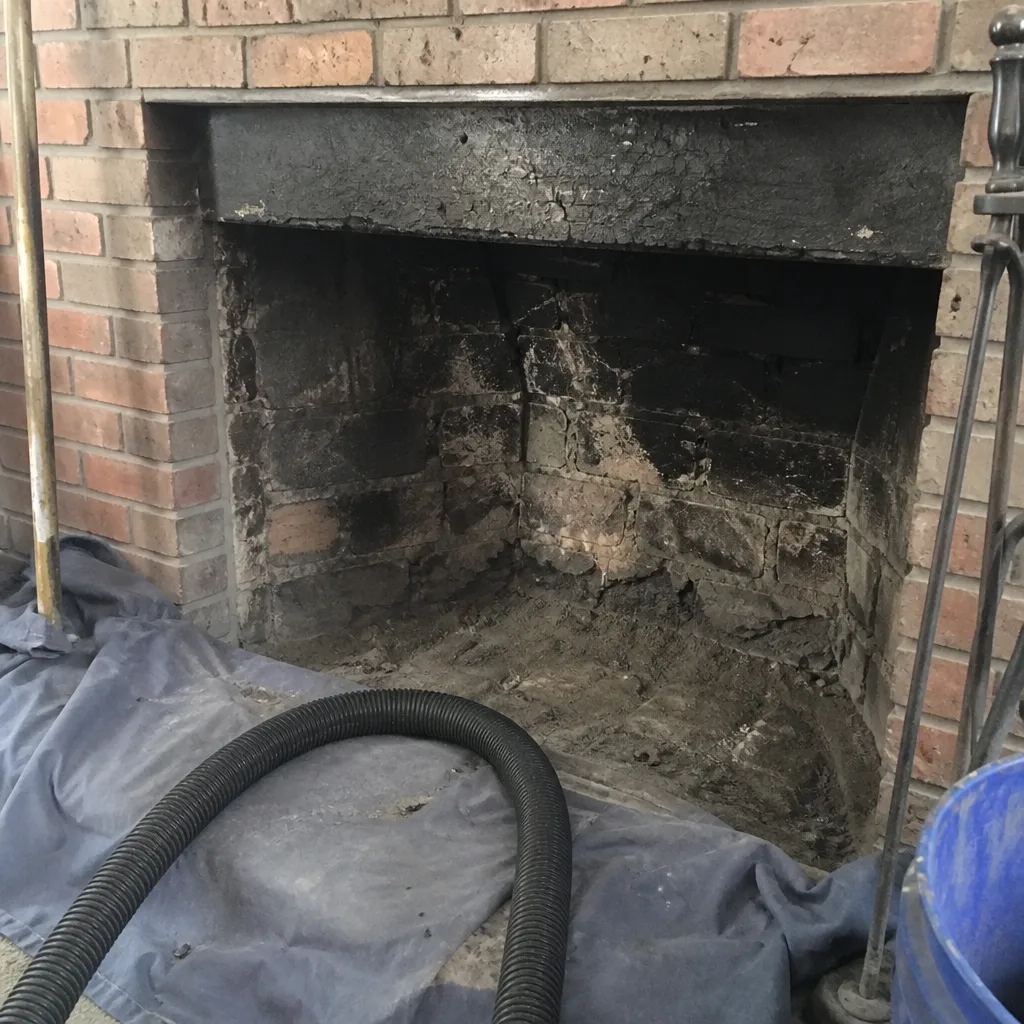
See the difference
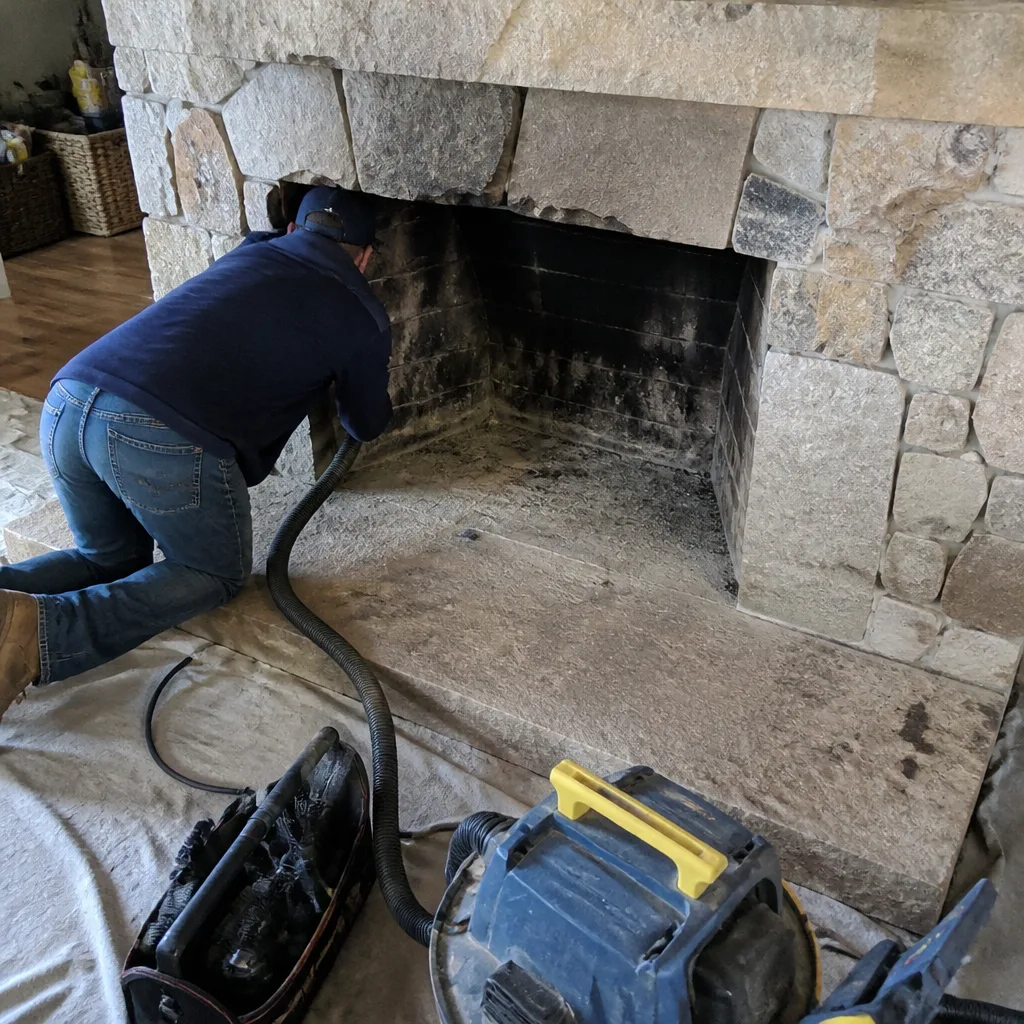 Before
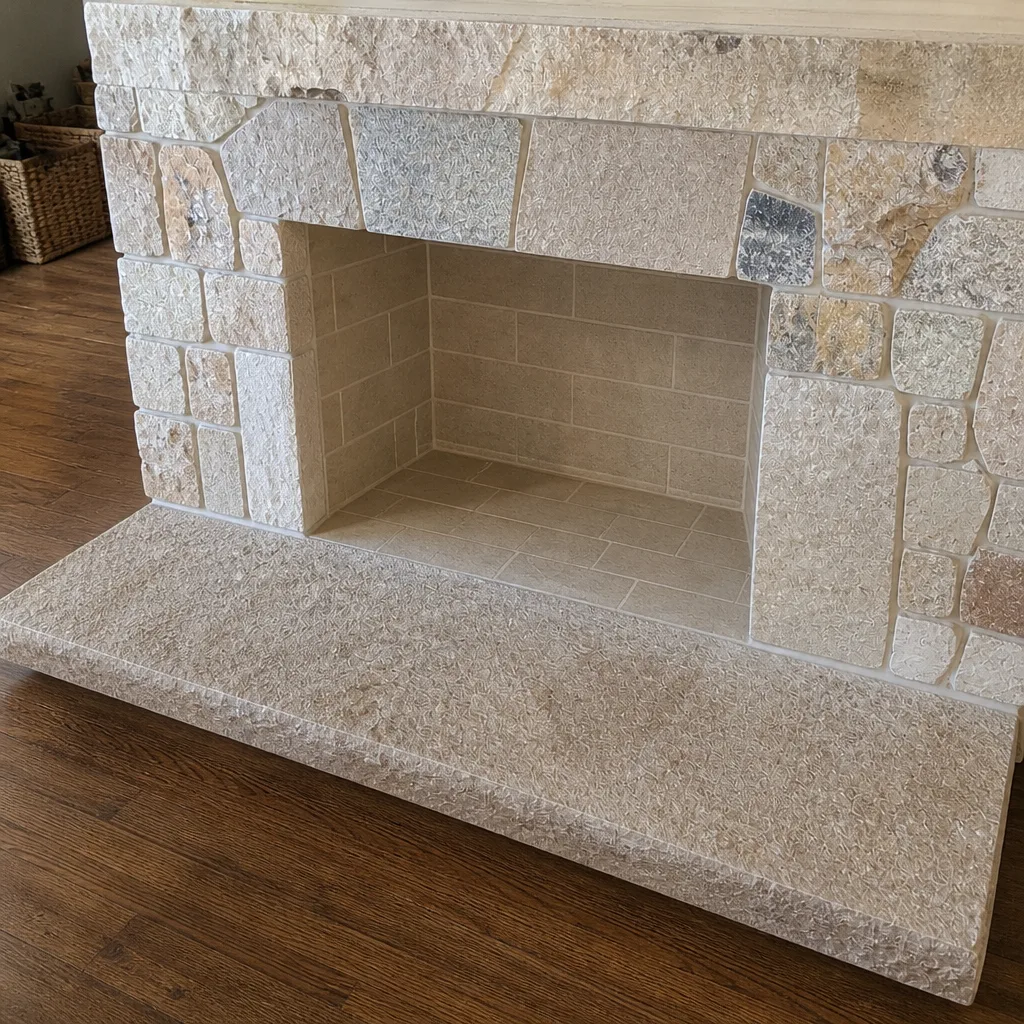 After
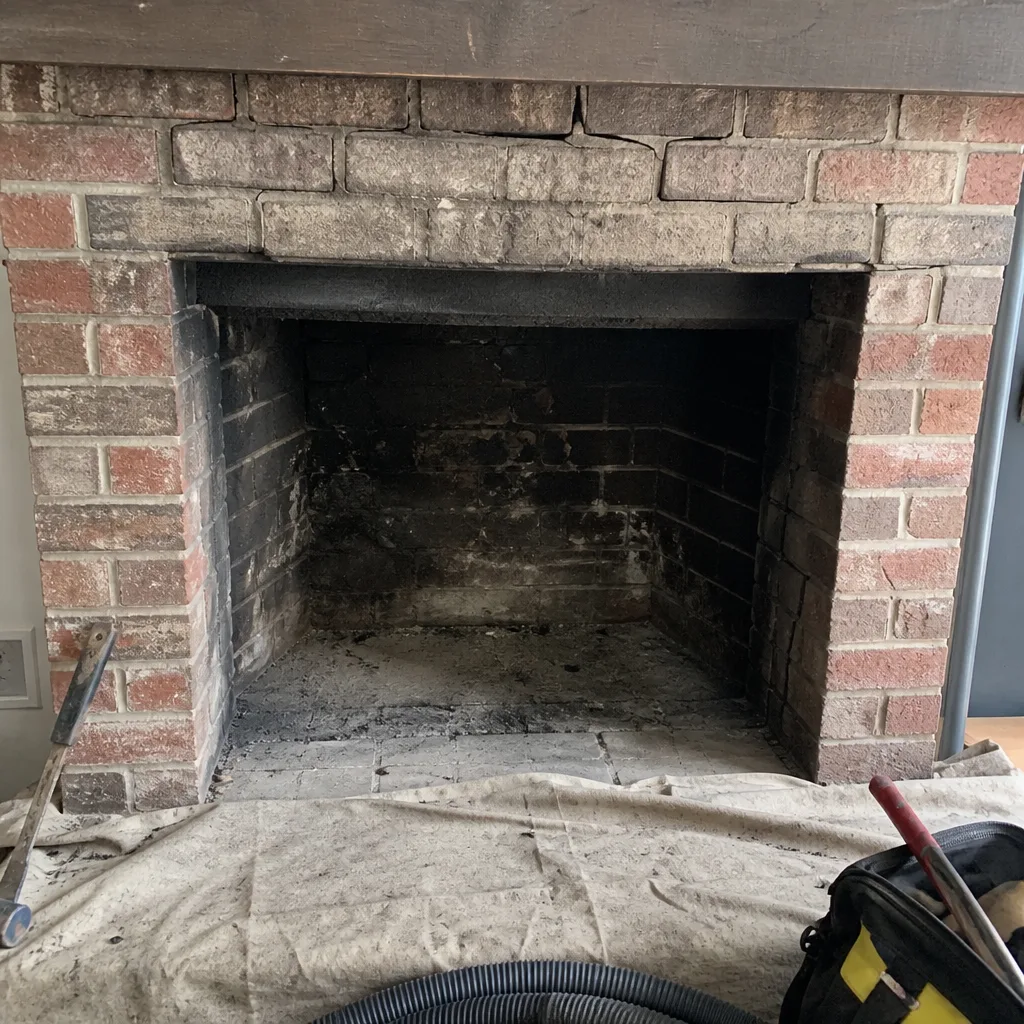 Before
 After
 Before
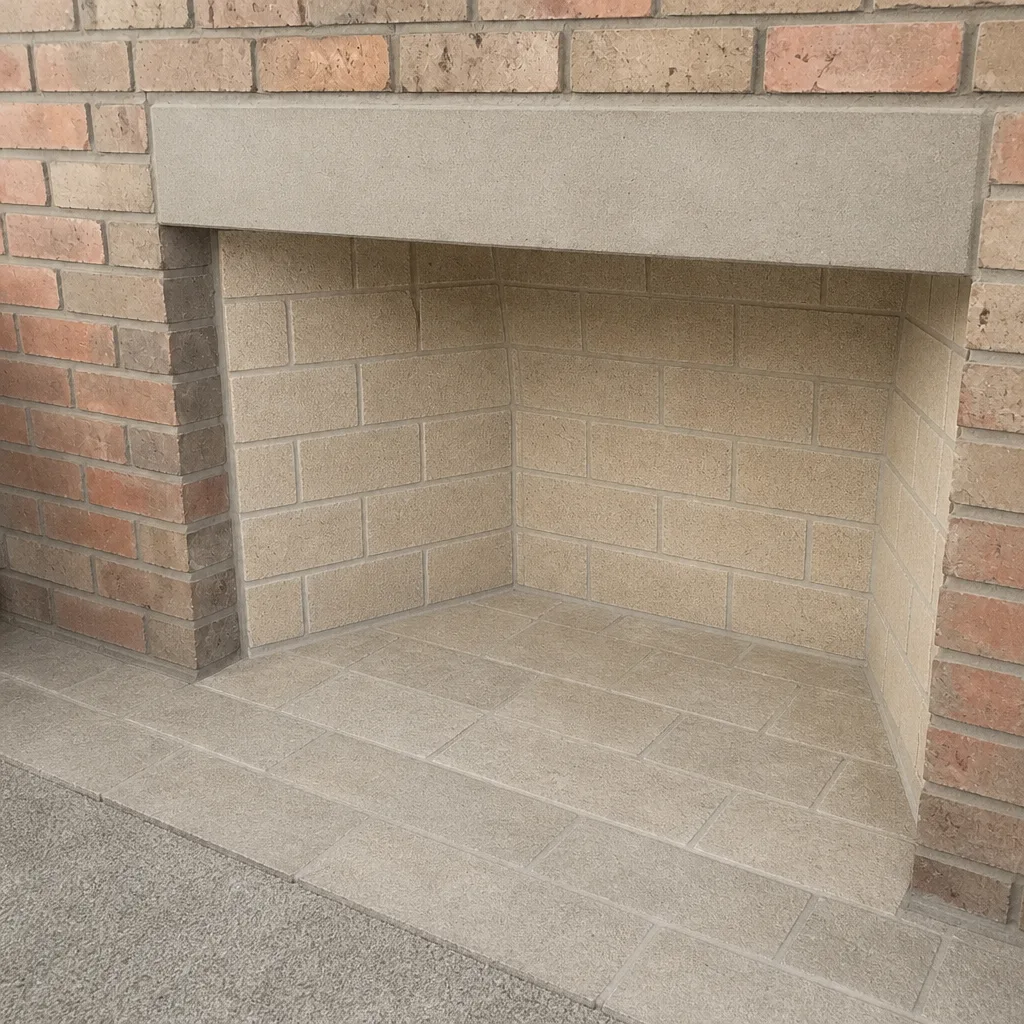 After